PrometuNews
© 2026 Prometu NewsPowered by Prometu, Inc.
Politics6 min...

Serbia Elections: Ruling Party Shows Weakness Against Growing Opposition

Listen
Share

Local elections in Serbia suggest that the ruling party is losing its aura of invincibility to a growing opposition.

OMNI
OMNI
#Serbia#Elections#Politics#Opposition#Aleksandar Vucic
Serbia Elections: Ruling Party Shows Weakness Against Growing Opposition

Increased opposition activism in Serbia is a consequence of the student movement that emerged after the collapse of railway infrastructure in Novi Sad in November 2024, which killed 16 people.

Students organized massive protests, evolving into a collective political actor demanding early parliamentary elections and announcing their participation. Although the student movement lacks clear leadership on some ideological issues, it has gained significant political support, replacing the old opposition parties as the main challenger to the SNS.
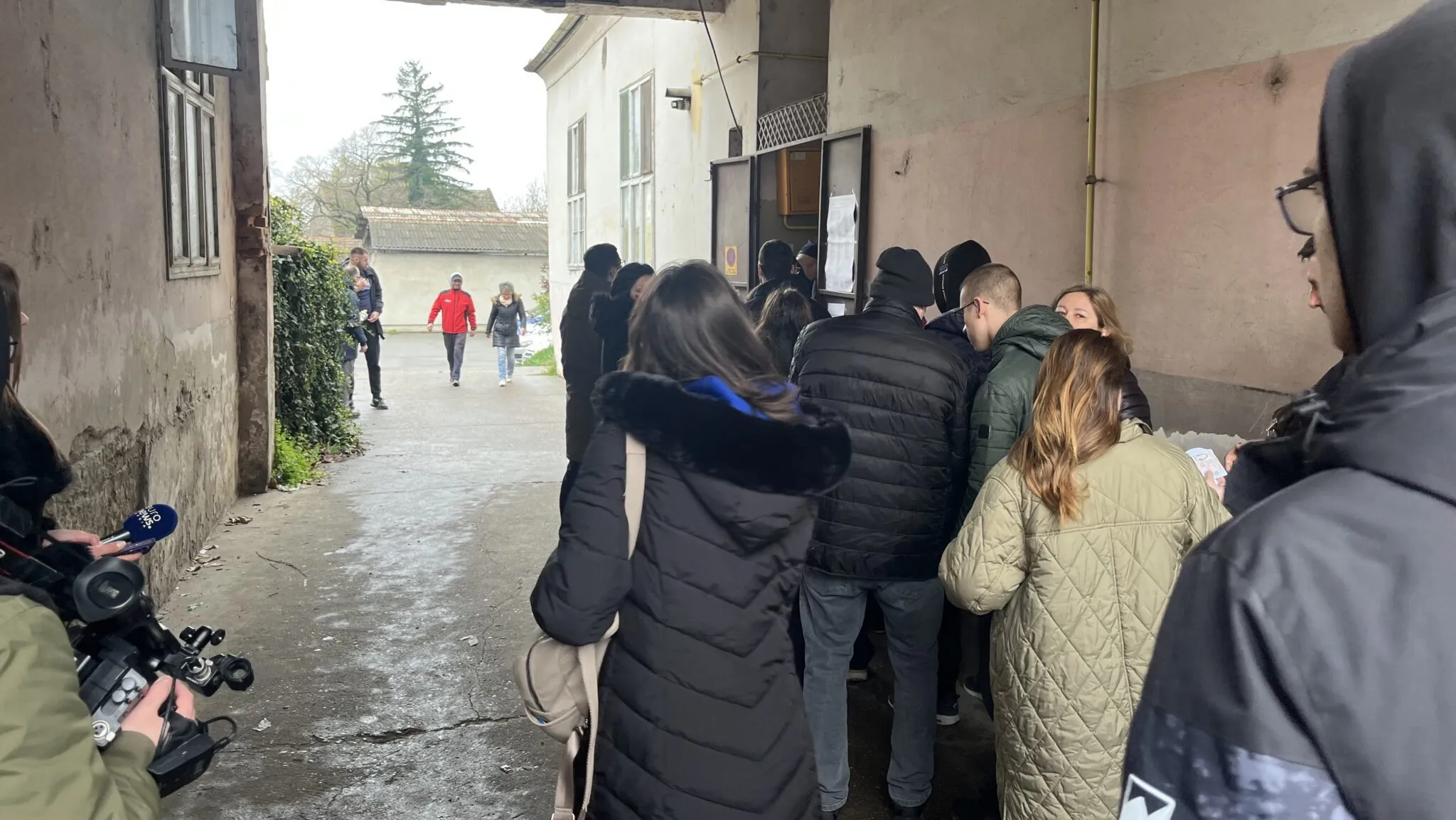
Serbia Elections: Ruling Party Shows Weakness Against Growing Opposition - Image 1

President Aleksandar Vucic has rejected the student demand for early parliamentary elections, so the limited local elections have been the only opportunity for an electoral showdown between the regime and its opponents.

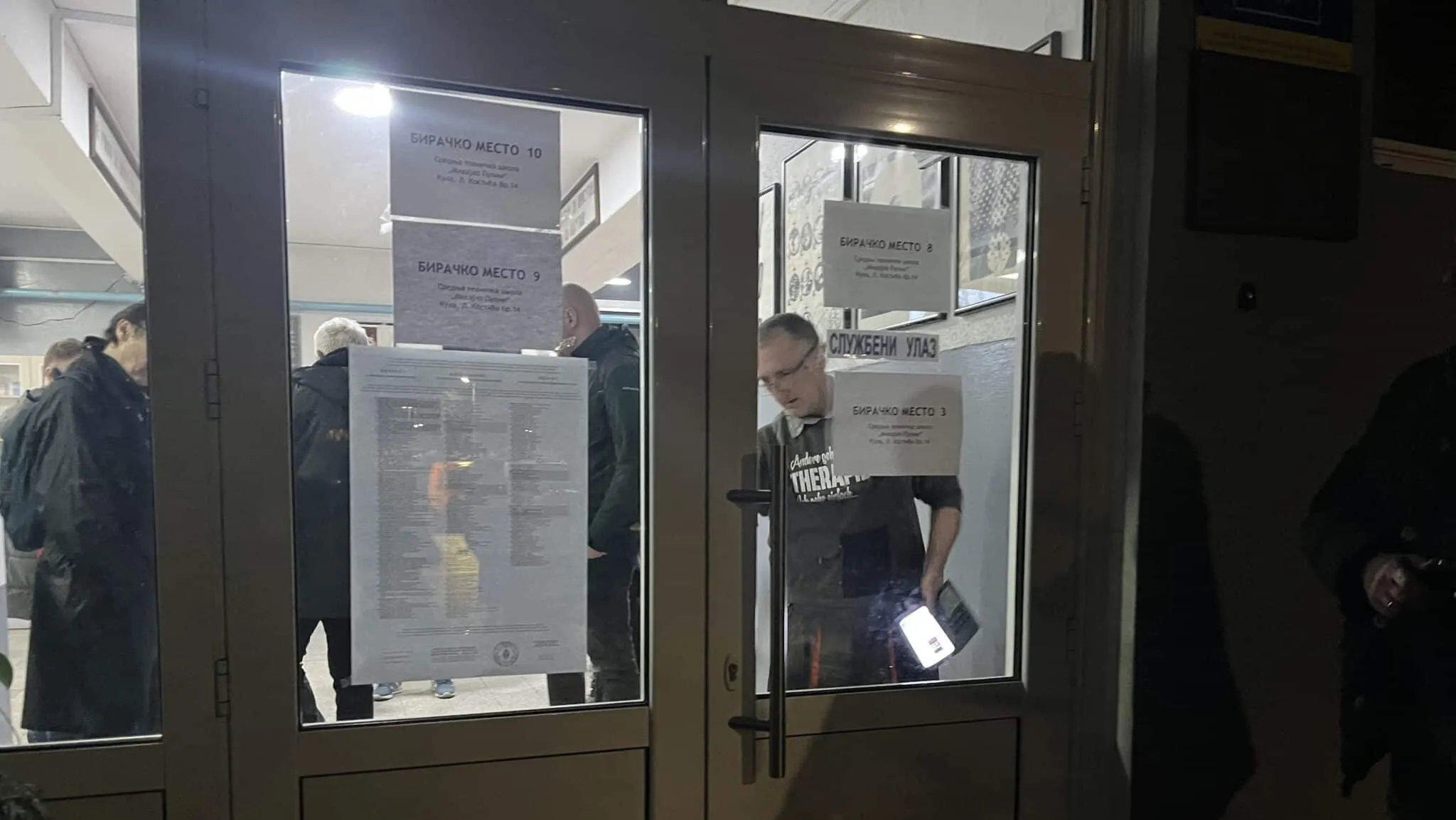
Serbia used to hold all local elections simultaneously, but some began to be held separately, due to objective reasons or the strategy of the ruling party. A total of 15 of the 174 towns and municipalities in Serbia belong to this group of 'off-year' elections. Five of them held elections in 2025 and another ten on Sunday, March 29. These municipalities represent only 5.6% of the registered voters.
Serbia Elections: Ruling Party Shows Weakness Against Growing Opposition - Image 2

The areas where these local elections were held demographically favor the ruling party, with older, more rural, and state-dependent voters.

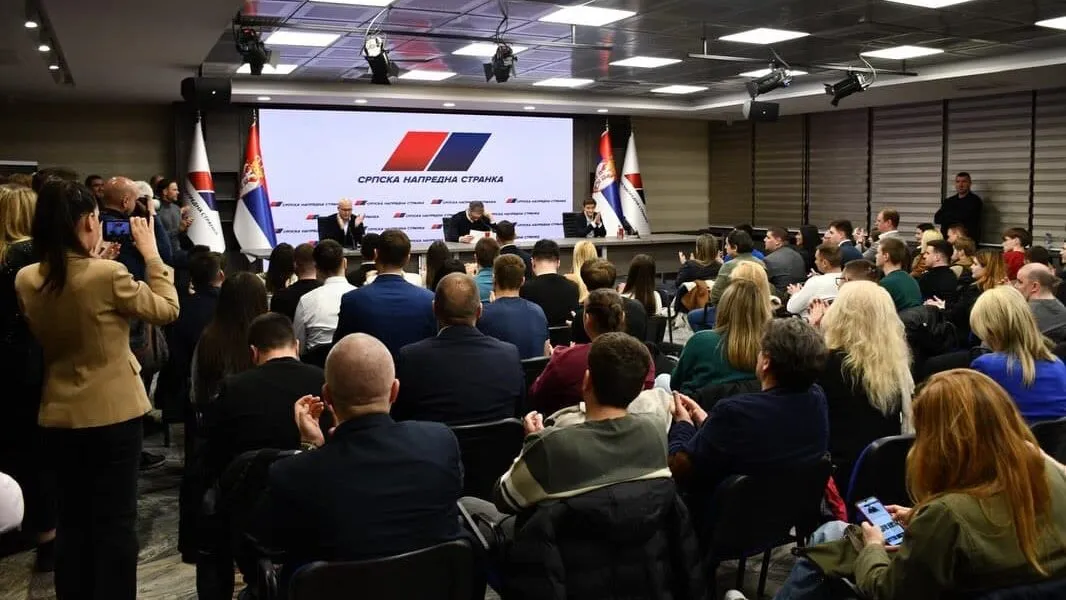
The ruling party used to win these elections easily, but this time, its behavior indicated that it did not expect an easy victory, determined not to lose to maintain its aura of invincibility. The ruling coalition closed ranks and participated in the elections on a single list, including the Socialist Party of Serbia (SPS) and the Serbian Radical Party (SRS). The ruling coalition also fought the elections as if they were general elections, despite the fact that only a small portion of voters in Serbia had the right to vote, including a nationwide advertising campaign and a large rally in Belgrade, whose citizens did not vote in the local elections.


In 2025, the cost to the ruling party of the five local elections that year was astronomically higher compared to previous elections; reports from the ten elections held on March 29 are expected to show similar trends.

A playing field tilted in favor of the ruling party was deployed, systematically established since the SNS came to power in 2012. There were widespread reports of vote buying and pressure on public sector workers, little local media coverage of the elections, use of state resources for campaign purposes, and abuse of institutions. One example was the attempt to baselessly disqualify an opposition list in a municipality.

The efforts of the ruling coalition worked in 2025 and again on March 29, as they avoided losing in any of the 15 municipalities, although in some cases, including Kosjeric in 2025 and Kula in 2026, they won only by the narrowest of margins.

This allowed them to send the message to their supporters that they remain invincible as an electoral force. However, neither the 2025 nor the 2026 results were catastrophic for the opposition. The elections, almost without exception, saw an increase in turnout, which in many municipalities reached record levels. This was accompanied by a visible improvement in opposition results, indicating that new voters largely voted against the ruling parties. Another trend is that the opposition vote consolidated behind one or two lists, in stark contrast to the fragmentation of previous years.

In seven of the ten municipalities, the ruling coalition's share fell below 60%, while the opposition lists exceeded 40%.

This continues a trend seen in the five local elections in 2025. The most successful, as expected, were the lists supported or organized by the student movement, with the list in Kula expecting to win only one seat less in the local assembly than the ruling coalition. The partial local elections on March 29, along with those held in 2025, show that the ruling coalition is still capable of winning elections in smaller municipalities, albeit costly in resources. However, these majorities have been reduced, in some cases to a few percentage points.

What would happen if elections were held nationwide, preventing such a concentration of resources by the SNS, and including large cities, where the gap between the ruling coalition and the opposition is already much smaller?

If the trends seen in these municipalities are repeated in large cities, opposition forces, for the first time since 2012, would have a realistic opportunity to win the next national election. This scenario is not guaranteed. It will only materialize if the student movement and opposition parties continue to improve their organizational capacities, which have seen major breakthroughs in recent months but are still far from perfect. These two actors will also need to overcome mutual animosities and distrust, which were evident in some municipalities on March 29, although others demonstrated examples of good cooperation.

The next moves of the student movement and the opposition parties may ultimately be more decisive for the outcome of the next national election than the actions of the regime itself.

Aleksandar Ivkovic, a political scientist and editor of the European Western Balkans media website, is the author of this analysis. The opinions expressed are those of the author and do not necessarily reflect the views of BIRN.
Editorial Note

This content has been synthesized and optimized to ensure clarity and neutrality. Based on: Balkan Insight