Politics3 min...

DHS Funding Crisis Deepens, Prolonging Government Shutdown

Listen
Share

The bipartisan disagreement over Department of Homeland Security (DHS) funding deepens the crisis and extends the partial government shutdown.

OMNI
OMNI
#DHS#Government Shutdown#Politics#United States
DHS Funding Crisis Deepens, Prolonging Government Shutdown
The House of Representatives and the Senate passed separate legislation to fund the Department of Homeland Security (DHS), but differences prevent an agreement.

The main point of contention lies in federal immigration enforcement, especially following incidents such as the fatal shootings in Minneapolis.

The Senate bill, which was bipartisan, rejected funding for enforcement operations while policing reform is negotiated, while the House bill, led by Republicans, funds the entire DHS, including Immigration and Customs Enforcement (ICE) and Border Patrol, at current levels for eight weeks.

The DHS stopgap measure is unlikely to pass in the Senate, which ensures that the 42-day partial shutdown will surpass the previous record of 43 days.

The persistent disagreement between Republicans and Democrats over ICE funding and the regulations governing the agency is the main cause.

Thousands of DHS employees are working without pay, exacerbating the pressure on both sides, although a presidential executive order eased the situation by ensuring the payment of Transportation Security Administration (TSA) agents.
Although Republicans voted in favor of the House stopgap measure, internal tensions were exposed, especially between conservative and moderate Republicans.

The conservative wing, led by the Freedom Caucus, pushed for more funding for ICE and the Border Patrol, while moderate Republicans fear that this will make them appear responsible for the shutdown in the eyes of voters.

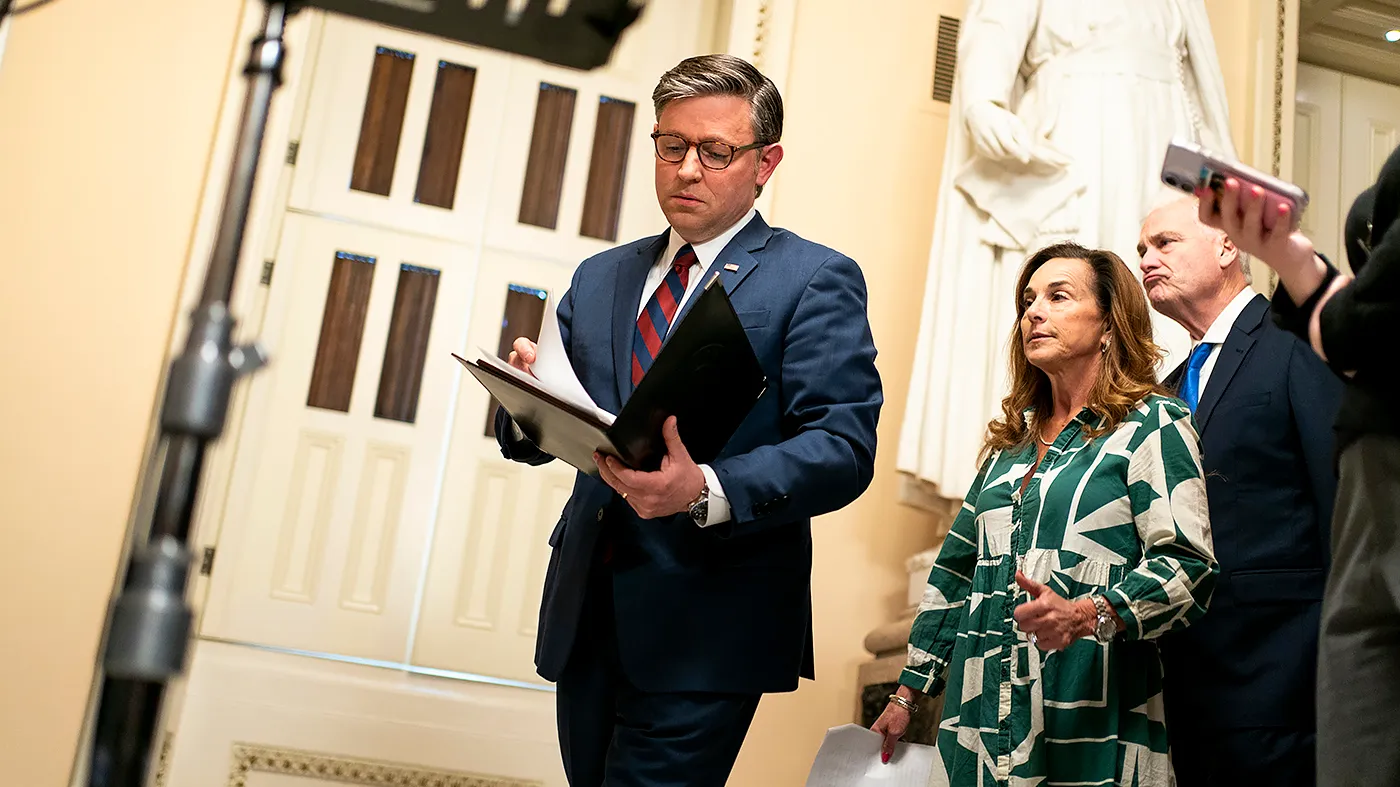
The decision to break with the Senate also created tensions between the chambers, with House Speaker Mike Johnson expressing his frustration.
The Freedom Caucus, known for defying party leadership, maintained its firm stance, which demonstrated the fragility of Johnson's majority and the power of a small group of lawmakers.

Hardline conservatives demanded full funding for Border Patrol and ICE, in addition to voter ID requirements.

Ultimately, they achieved their goals, ensuring that the legislation included their demands, although this could prevent its approval.
Democrats attempted to pass bills in the Senate that would fund all agencies under DHS except ICE and CBP, but the lack of agreement prevented it.

In the House, they promoted a similar bill, but Johnson's decision to reject the Senate bill frustrated their efforts.

Representative Katherine Clark criticized the decision, arguing that Republicans missed an opportunity to put people first.
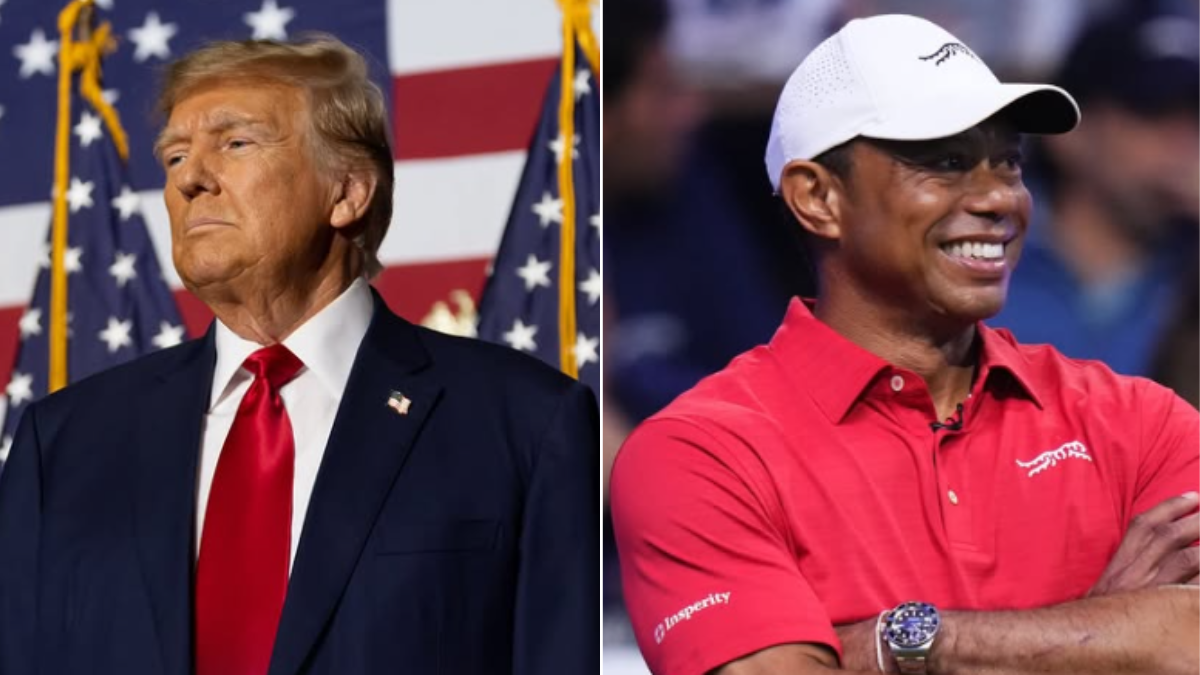
Trump, known for his influence in Congress, remained notably silent during most of the dispute, marking a departure from his previous approach.

This allowed Johnson to assert his authority and develop a strategy that fully funded ICE without alienating conservatives.

When Trump finally intervened, he criticized the Senate bill, which likely angered the Senate Republicans who were hoping for a solution.
Editorial Note

This content has been synthesized and optimized by the Prometu editorial system to ensure clarity and neutrality. Based on: The Hill