Prometu News LogoNews
© 2026 Prometu NewsPowered by Prometu, Inc.
Politics4 min...

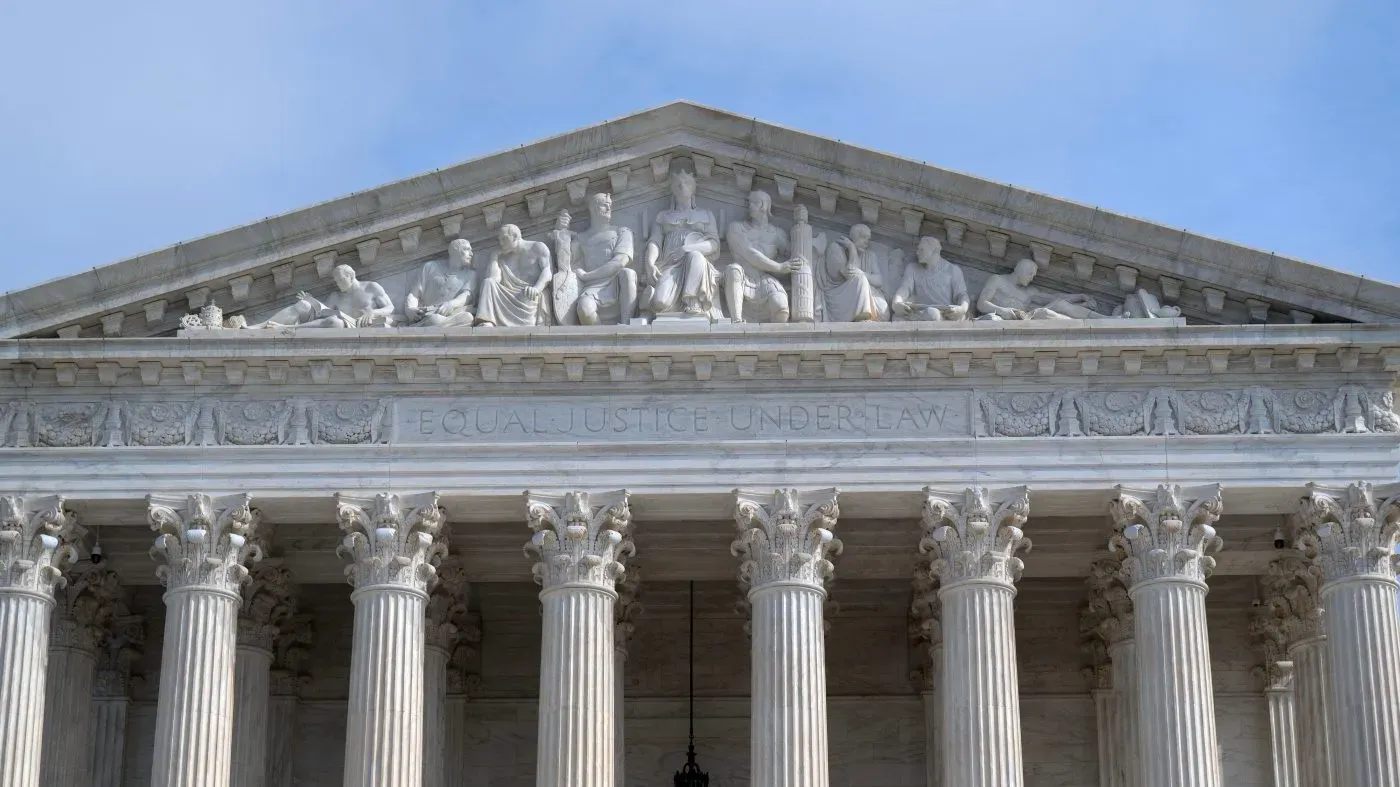
Supreme Court Sides with Christian Counselor in 'Conversion Therapy' Ban Case

Listen
Share

The U.S. Supreme Court ruled in favor of a Christian counselor in a case concerning Colorado's 'conversion therapy' ban, protecting free speech.

OMNI
OMNI
#Supreme Court#Conversion Therapy#Free Speech#Colorado#LGBTQ+
Supreme Court Sides with Christian Counselor in 'Conversion Therapy' Ban Case

The Supreme Court's Tuesday decision favored Christian counselor Kaley Chiles in her free speech challenge to Colorado's ban on counselors attempting to change a minor's sexual orientation or gender identity. Justice Neil Gorsuch, writing for the 8-1 majority, argued that lower courts used too lenient a standard in upholding the ban. The law regulates counselors’ speech in an attempt to silence a certain viewpoint, Gorsuch wrote. The court’s decision could have ripple effects across the country, as more than 20 states have enacted similar measures.

Justice Ketanji Brown Jackson, the lone dissenter, argued that the decision "opens a dangerous can of worms" and threatens states' ability to regulate medical care. Colorado's law, passed in 2019, prohibits licensed mental health counselors from engaging in any practice or treatment that attempts or purports to change a minor's sexual orientation or gender identity.

Kaley Chiles, a Christian and licensed counselor in Colorado, sued under the First Amendment, arguing the state was trying to control her conversations with patients to suppress disfavored views on LGBTQ+ rights. Violations of the law can carry $5,000 fines, and counselors can be suspended and stripped of their license. A federal district judge and a divided appeals panel sided with Colorado, agreeing its law regulated not speech, but professional conduct. The Supreme Court sided with Chiles, agreeing the state’s law regulates speech and needs to clear a more stringent constitutional test.

The justices sent the case back to the lower courts to apply it. In defending its law, Colorado pointed to major professional medical associations that suggest conversion therapy is ineffective and can be harmful to minors.

The Williams Institute estimates that 698,000 U.S. adults have received conversion therapy, including 350,000 who did so as adolescents. Chiles is represented by Alliance Defending Freedom (ADF), a conservative Christian legal powerhouse that has regularly emerged victorious before the Supreme Court, including in previous challenges to Colorado laws. Their challenge was supported by outside briefs from Christian counseling and medical groups, the U.S. Conference of Catholic Bishops, The Church of Jesus Christ of Latter-day Saints, Catholic University of America, the Becket Fund for Religious Liberty and 20 Republican state attorneys general.

The Trevor Project, PFLAG, the American Psychological Association, nearly 200 Democratic members of Congress and 20 Democratic state attorneys general urged the justices to side with Colorado.

This is not the only Supreme Court case implicating LGBTQ+ protections this term. The court is also weighing whether states can ban transgender girls from competing on women’s sports teams in schools. The Supreme Court's decision has significant implications for free speech and LGBTQ+ rights, highlighting the tensions surrounding the regulation of medical care and the limits of state intervention in religious beliefs and practices. The court's stance could influence future legislation and litigation across the country, especially in states with similar measures against conversion therapy.

The decision also underscores the importance of professional medical associations and their views on the effectiveness and potential harm of conversion therapy.

The Supreme Court's decision reflects a deep debate over the balance between free speech, individual rights, and state authority to regulate medical care. The Supreme Court's ruling in the case of Christian counselor Kaley Chiles sets a precedent that could influence other cases related to religious freedom and LGBTQ+ rights. The division within the court, with a majority favoring free speech and a minority emphasizing the state's ability to protect minors, underscores the complexity of these issues.

The decision will have long-term implications for state and federal policies on conversion therapy and other treatments related to sexual orientation and gender identity.
Editorial Note

This content has been synthesized and optimized to ensure clarity and neutrality. Based on: The Hill