Prometu News LogoNews
© 2026 Prometu NewsPowered by Prometu, Inc.
Politics4 min...

Trump Allows Russian Oil Tanker to Cuba, Easing Blockade

Listen
Share

Former President Trump stated he does not oppose a Russian oil tanker delivering crude oil to Cuba, relaxing the US blockade.

OMNI
OMNI
#Trump#Cuba#Russia#Oil#Blockade
Trump Allows Russian Oil Tanker to Cuba, Easing Blockade

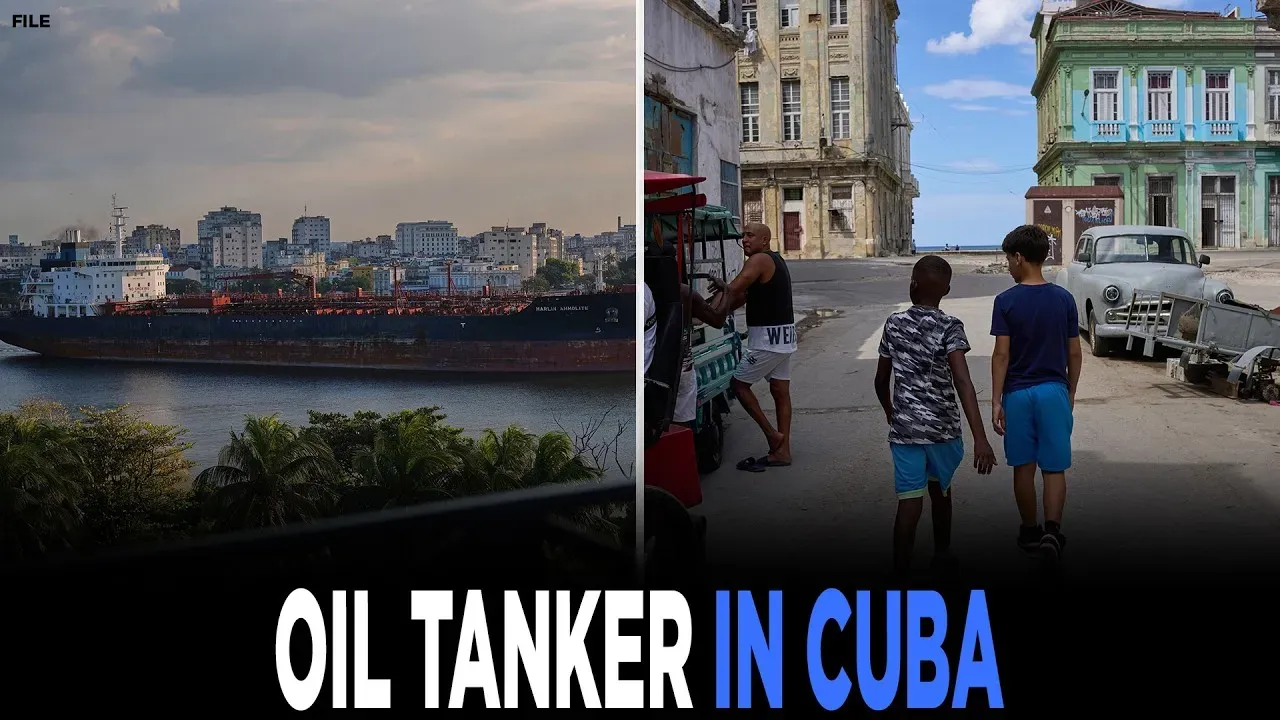
Former President Donald Trump has expressed his approval for a Russian oil tanker to deliver oil to Cuba, representing a shift in the United States' blockade policy towards the island. This statement came in response to a New York Times report on the situation. Trump, when questioned by reporters aboard Air Force One, stated that he has no objections to the tanker, loaded with crude oil, reaching Cuba. The easing of the blockade could alleviate the energy crisis affecting the Caribbean country.

Trump's comment suggests an adaptation in the US stance, allowing the delivery of oil to help Cuba survive. This decision could have significant implications for relations between the United States, Russia, and Cuba, as well as for the island's energy stability. The move comes at a time when Cuba is facing serious economic and energy difficulties, making any oil supply crucial for its operation.

Trump's authorization for the delivery of Russian oil to Cuba could have a direct impact on the energy crisis the island is suffering. Fuel shortages have affected various sectors of the Cuban economy, from transportation to electricity production. The arrival of this oil shipment could provide temporary relief to the Cuban population and businesses. The energy situation in Cuba has been aggravated by various reasons, including the tightening of sanctions and the difficulties in obtaining oil supplies from other markets.

The easing of the blockade, although limited, could be a step towards stabilizing the Cuban energy situation. However, the persistence of other economic restrictions could limit the impact of this measure in the long term.

Trump's decision to allow the delivery of Russian oil to Cuba must be analyzed in the context of current geopolitical relations. The relationship between the United States and Russia, as well as the situation in Cuba, are key factors influencing this decision. The gesture could be interpreted in various ways, including an attempt to ease tensions with Cuba or a strategy to influence relations between Cuba and Russia. The Trump administration has maintained an ambivalent stance towards Cuba, combining sanctions with gestures of openness.

The delivery of Russian oil could be seen as an attempt to maintain some influence on the island, or as a recognition of Cuba's need to access energy resources. Regardless of the motivation, Trump's decision has important implications for the future of international relations in the region.

During a conversation with reporters on Air Force One, Trump was clear in expressing his position: “We have a tanker out there. We don’t mind having somebody get a boatload, because they need… they have to survive,” he stated. “If a country wants to send some oil into Cuba right now, I have no problem, whether it’s Russia or not.” These statements reflect a notable change in US policy towards Cuba, at least with regard to the import of oil. Trump's response highlights the importance of Cuba's survival and suggests a willingness to relax restrictions to facilitate access to essential resources.

Trump's stance could be a reflection of his pragmatic approach to foreign policy, prioritizing humanitarian needs and regional stability over ideological considerations. His statement could also be interpreted as a sign of openness for future negotiations with Cuba, or as an attempt to maintain influence in the region.

Trump's decision to allow the delivery of Russian oil to Cuba could generate various reactions and have significant implications in the future. The current United States administration, as well as other international actors, are likely to carefully analyze the consequences of this measure. The European Union and other countries could re-evaluate their policies towards Cuba, depending on how the situation evolves. The response of the Cuban government and civil society will also be crucial in determining the impact of this decision.

Tensions in relations between the United States and Russia are possible, depending on the interpretation of this measure. The future of relations between Cuba and the United States could depend on the actions and decisions taken in the coming months. The situation in Cuba, as well as international relations in the region, could experience significant changes as a result of this decision.
Editorial Note

This content has been synthesized and optimized to ensure clarity and neutrality. Based on: The Hill