Prometu News LogoNews
© 2026 Prometu NewsPowered by Prometu, Inc.
Politics5 min...

DHS Shutdown Extended: Trump's TSA Relief Halts Progress, Standoff Persists

Listen
Share

The Department of Homeland Security (DHS) shutdown continues indefinitely, despite Trump's actions to pay TSA agents, exacerbating political divisions and generating uncertainty.

OMNI
OMNI
#DHS#TSA#Politics#United States#Government Shutdown
DHS Shutdown Extended: Trump's TSA Relief Halts Progress, Standoff Persists

The record-setting shutdown of the Department of Homeland Security (DHS) is hurtling along with no end in sight and no discernable pressure point to hasten its conclusion. Congress frequently needs an outside nudge to break stubborn political logjams. And, as in past battles over DHS funding, the recent turmoil at the nation’s airports — triggered by a pay freeze for security screeners — has infuriated travelers, led the nightly news, and created an enormous inducement for lawmakers in both parties to set aside their differences and cut a deal to reopen the agency.

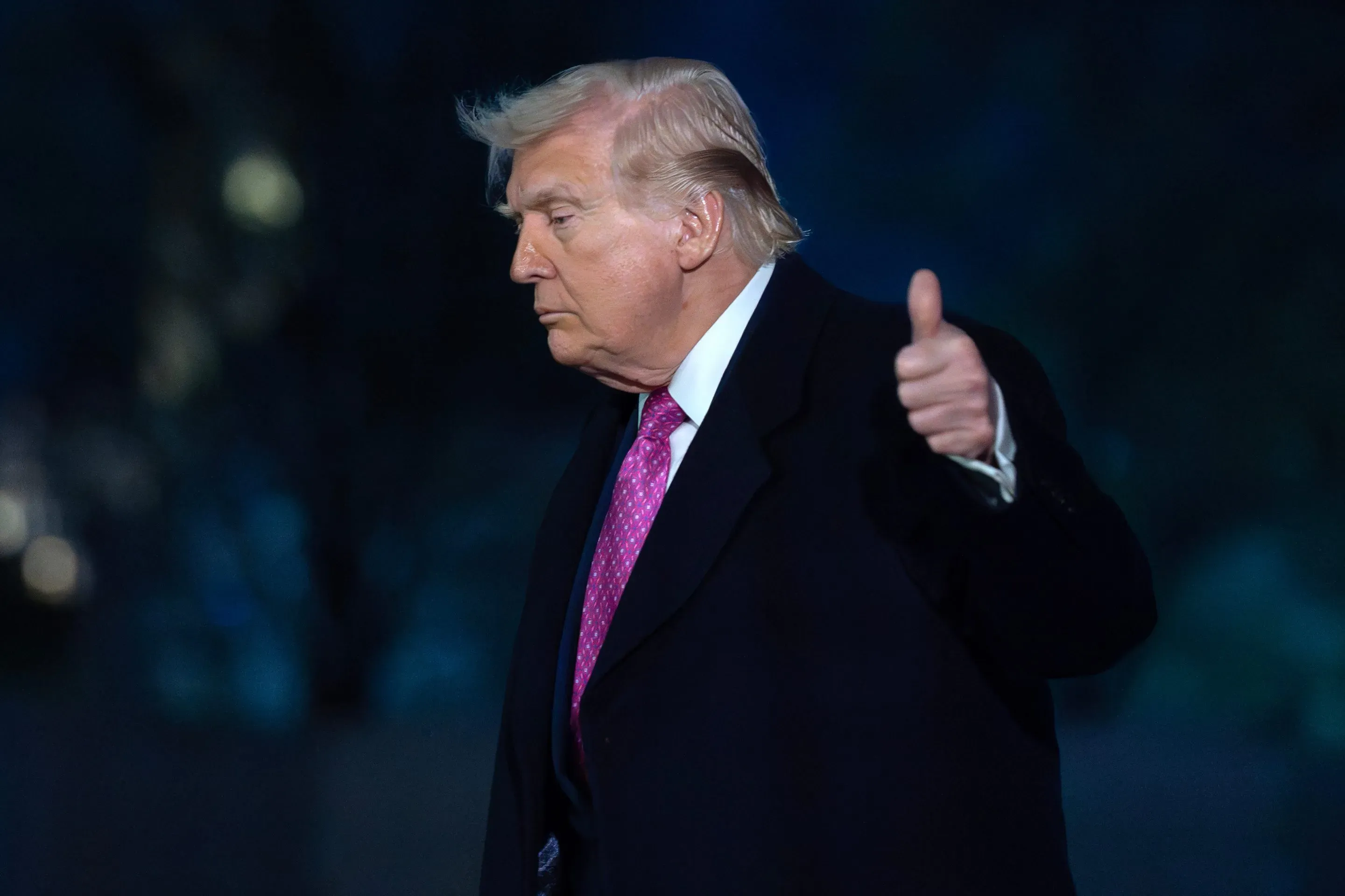
But President Trump’s extraordinary decision to shift money to begin paying agents of the Transportation Security Administration (TSA) was the political equivalent of letting the air out of the tires, halting progress on an elusive bipartisan deal by alleviating the most urgent and outward-facing problem stemming from the shutdown — just as Congress appeared set to reopen DHS ahead of the long spring recess.

Instead, the House and Senate passed wildly divergent bills and then left Washington without any effort to resolve the differences. When Congress returns the week of April 13, an imminent deadline for reauthorizing the government’s warrantless spying powers may consume the oxygen in the Capitol — and delay a DHS breakthrough even further. The stunning development has highlighted stark divisions between GOP leaders in the House and Senate, while putting Republicans and Democrats as far apart as they’ve been since the clash over immigration enforcement began in January. It’s also raised new questions about what political force might emerge to compel a deal between the parties, both of which are facing heat from their respective base voters to dig in for the long fight.

One key question relates to the longevity of Trump’s executive Band-Aid. While TSA’s roughly 61,000 workers began receiving their paychecks on Monday for the first time since the shutdown began on Feb. 14, it’s unclear how long those payments will continue if the congressional impasse stretches long into the summer. Adding to the confusion, the source of the funds is not yet specified. Some observers expect Trump’s budget office to tap into the Republicans’ “big, beautiful bill,” which includes billions of dollars for enforcement operations under DHS. But the executive order to pay TSA agents is vague on the matter, saying only that the administration will “use funds that have a reasonable and logical nexus to TSA operations.”

The practical effects of Trump’s move are also difficult to predict. The new checks have led to better experiences for airline travelers around the country, where airports were reporting shorter delays on Monday. But there were also reports that many TSA agents were still calling out sick — a major problem after funding ran dry in February — and more than 500 agents have quit their jobs altogether, meaning gaps in service are likely to continue until those positions can be refilled.

Hydrick Thomas, president of the American Federation of Government Employees TSA Council 100, which represents more than 45,000 TSA agents around the country, suggested Monday that the problems will persist until Congress can reach a deal to reopen DHS legislatively. “[M]any of our members have seen bills pile up, interest and late fees add up, cars repossessed, and families thrown into disarray because Congress has failed to do their jobs,” Thomas said in a statement. “Over 500 of our colleagues had to quit, and those who couldn’t make it to work have disciplinary actions looming over their heads,” he continued. “Backpay alone does not fix those problems. And our fellow DHS employees are still not being paid thanks to the dysfunction in Congress.”

The legality of Trump’s unilateral move to pay TSA is also under heavy scrutiny. The administration has claimed the president has the power to redirect funding to TSA workers because the problems at the nation’s airports “constitute an emergency situation compromising the Nation’s security,” according to the executive order. Many Democrats maintain, however, that only Congress has the authority to determine where taxpayer dollars are spent. With that in mind, they say Trump’s unilateral shift of funds is patently illegal.

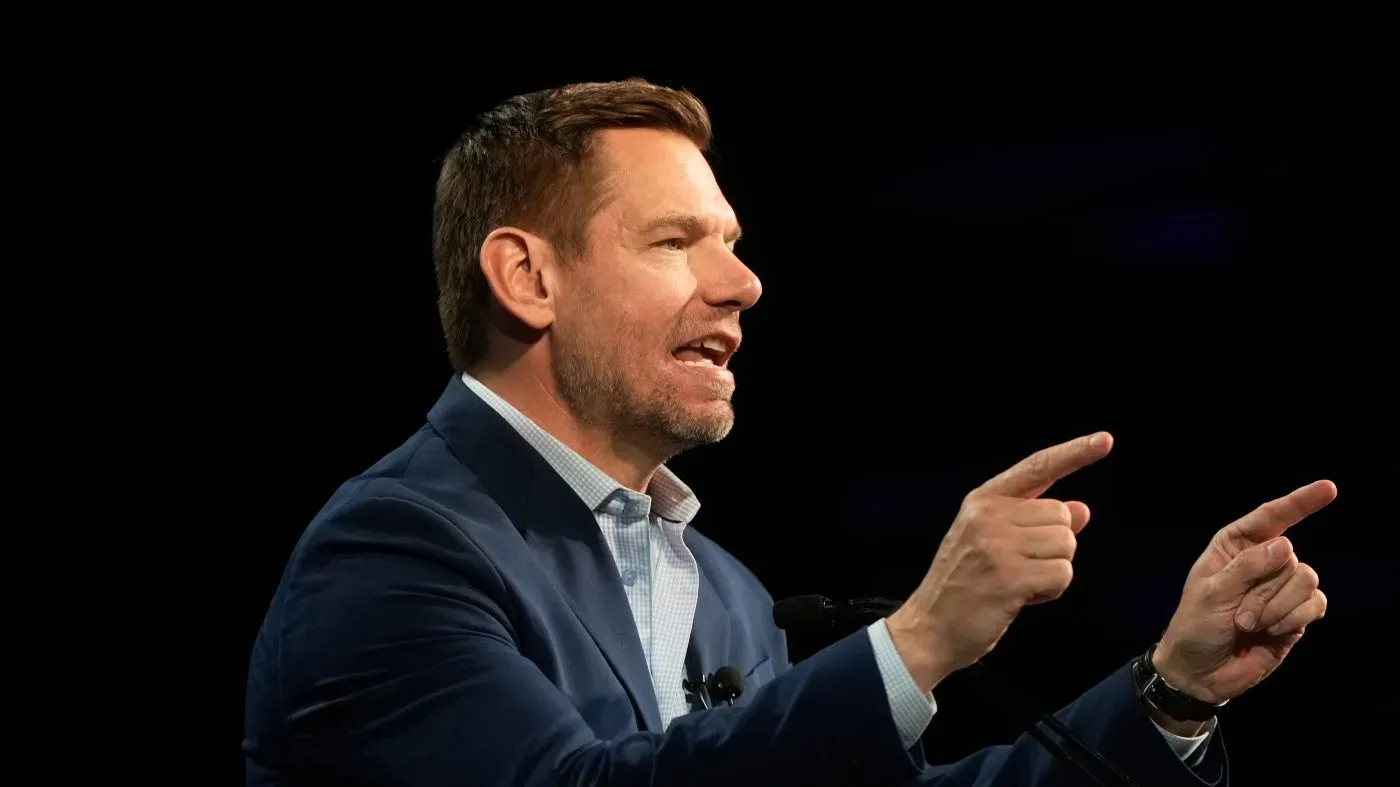
The leaders of the Problem Solvers Caucus, a bipartisan group of House centrists, have introduced legislation designed to break the logjam. Their bill combines virtually all of the Democratic demands for new rules governing the conduct of immigration enforcement officers — including a ban on face masks and mandatory warrants preceding arrests — with full funding for DHS. But the rules target only U.S. Immigration and Customs Enforcement (ICE), not U.S. Customs and Border Protection (CBP), which is a non-starter with most Democrats since it was an agent under CBP who killed the protestor Alex Pretti in Minneapolis earlier in the year.

As the stalemate draws longer, Senate Republicans — who voted Friday on a bipartisan deal to reopen DHS, only to have it rejected by House Republicans — began working on a Plan C. That strategy would fund the agency through 2028, the remainder of Trump’s term, using a special budget process that would sidestep the filibuster and prevent Democrats from blocking the bill — or demanding the reforms to immigration enforcement that have led to the current impasse.
Editorial Note

This content has been synthesized and optimized to ensure clarity and neutrality. Based on: The Hill