Prometu News LogoNews
© 2026 Prometu NewsPowered by Prometu, Inc.
Politics4 min...

Bulgaria-Ukraine Security Deal Sparks Divided Political Reactions

Listen
Share

The ten-year cooperation agreement between Bulgaria and Ukraine generates internal political controversy, especially before the early elections.

OMNI
OMNI
#Bulgaria#Ukraine#Politics#Elections#Security
Bulgaria-Ukraine Security Deal Sparks Divided Political Reactions

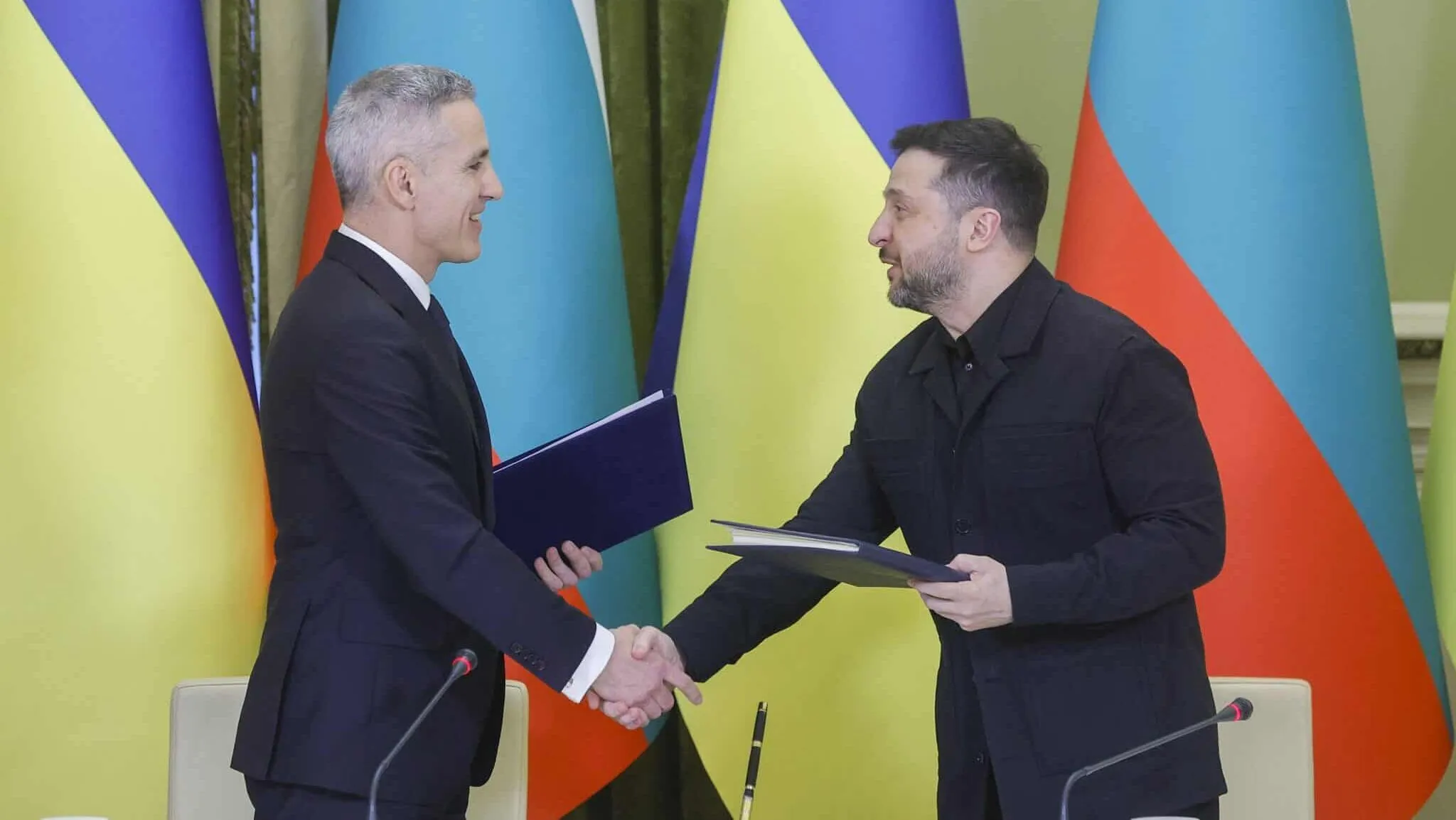
Bulgarian interim Prime Minister Andrey Gyurov and Ukrainian President Volodymyr Zelensky signed a ten-year cooperation agreement in Kyiv on Monday. The agreement provides for Bulgaria's continued military assistance to Ukraine, including training and joint production of drones and ammunition, under the EU's SAFE program. It also covers cooperation in intelligence and security, countering hybrid threats and disinformation, strengthening security in the Black Sea region, cooperation on sanctions, humanitarian support, as well as cultural initiatives for the Bulgarian minority in Ukraine.

The agreement comes after a decision to strengthen the partnership between the two countries, ratified by Bulgaria's Council of Ministers in October 2024. Zelensky highlighted the importance of an energy corridor, which could reach 10 billion cubic meters of gas per year for Ukraine. Gyurov praised Ukrainian expertise in protecting critical infrastructure and freedom of navigation in the Black Sea, describing Zelensky's governance as a "moral compass".

The pro-Russian far-right Revival party reacted with outrage, calling the agreement "illegal" and calling for the "immediate arrest" of the interim ministers. Former President Rumen Radev, who recently launched his own party, Progressive Bulgaria, to join the election race, also criticized Gyurov for creating "a risk to national security", arguing that Bulgarians expect solutions to rising costs, not further involvement in the war.

The Bulgarian Socialist Party, traditionally pro-Moscow, stated that the move only brings "further division in Bulgaria right before the elections". Bulgaria has had an uneasy response to Russia's full-scale invasion of Ukraine in 2022, which has created new dividing lines in the country between pro-EU and Eurosceptic or pro-Russian parties.

Despite disagreements over sending aid to Ukraine, Bulgaria has become a major seller of ammunition to Kyiv. European Commission President Ursula von der Leyen noted last September that, at the beginning of the war in Ukraine, one-third of the weapons used came from Bulgaria.

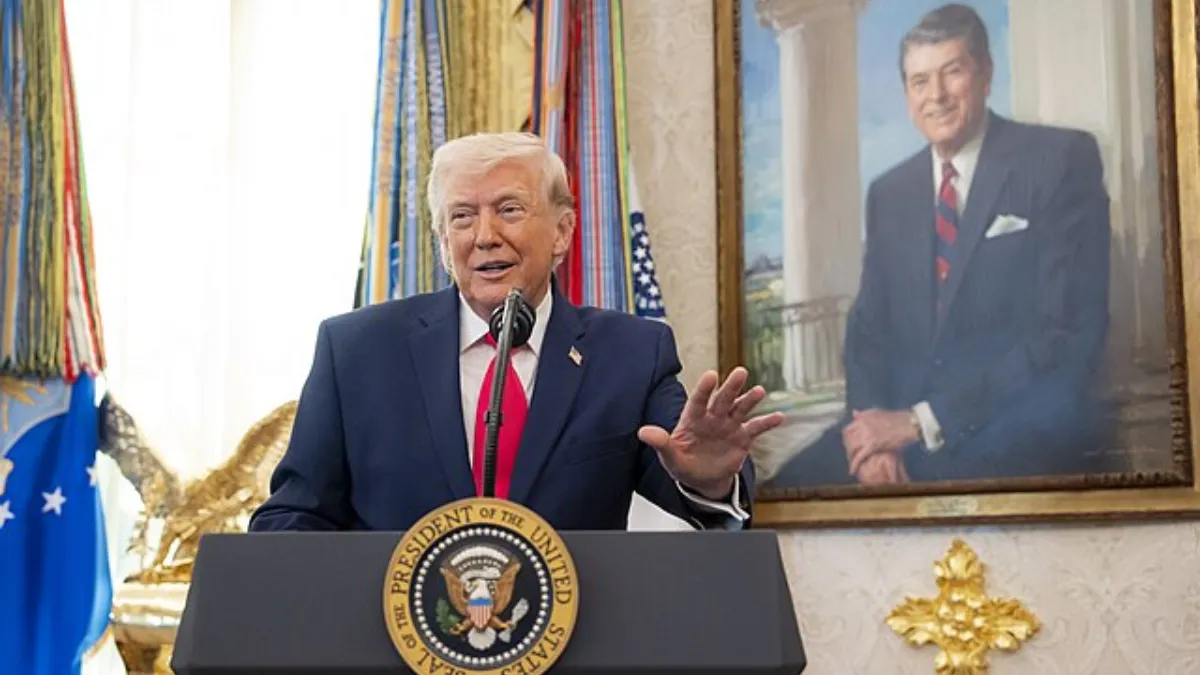
The visit to Kyiv is one of a series of developments related to interim Prime Minister Gyurov, who took office on February 11. On March 20, Gyurov stated that Bulgaria would quit US President Donald Trump's "Board of Peace", although it is unclear what concrete institutional steps this would require. Bulgaria's participation in Trump's project was approved by former Prime Minister Rosen Zhelyazkov after his government was overthrown by mass protests.

The caretaker cabinet led by Gyurov is also acting upon hundreds of reports of voting fraud ahead of the April 19 elections. Despite his growing public profile, in his first on-air TV interview last Sunday, Gyurov insisted that he has no further political ambitions.

His interim cabinet should be dissolved this spring once the next parliament convenes after the elections and agrees on a new Council of Ministers.

The signing of the security agreement between Bulgaria and Ukraine reflects Bulgaria's complex internal political situation and its stance on the war in Ukraine. The division between pro-EU and pro-Russian forces, along with the upcoming elections, intensifies the debate about the future of Bulgarian foreign policy.

Cooperation in areas such as intelligence and security, the fight against disinformation, and humanitarian support, demonstrates Bulgaria's commitment to Ukraine, while internal criticisms reveal the tensions and challenges the country faces in its foreign policy.
Editorial Note

This content has been synthesized and optimized to ensure clarity and neutrality. Based on: Balkan Insight