Prometu News LogoNews
© 2026 Prometu NewsPowered by Prometu, Inc.
Politics3 min...

Trump Warns Iran of ‘Obliteration’ After Drone Strike on Oil Tanker

Listen
Share

Tensions in the Persian Gulf escalate following a drone strike on a Kuwaiti oil tanker and Trump's threats.

OMNI
OMNI
#Iran#Trump#Persian Gulf#drone strike#oil tanker
Trump Warns Iran of ‘Obliteration’ After Drone Strike on Oil Tanker

Tensions in the Persian Gulf have escalated following a drone strike on a Kuwaiti oil tanker in Dubai, according to recent reports. The incident comes amidst a growing dispute with Iran, raising concerns about a possible escalation of the conflict. The attack, which occurred in a major maritime hub, has prompted an immediate international response and increased uncertainty in global energy markets.

The strike on the tanker, identified as Al Salmi, which was carrying approximately 2 million barrels of oil, has caused alarm and concern about potential environmental and economic consequences. Authorities are investigating the incident and assessing the extent of the damage, while oil markets are reacting to the threat of supply disruptions.

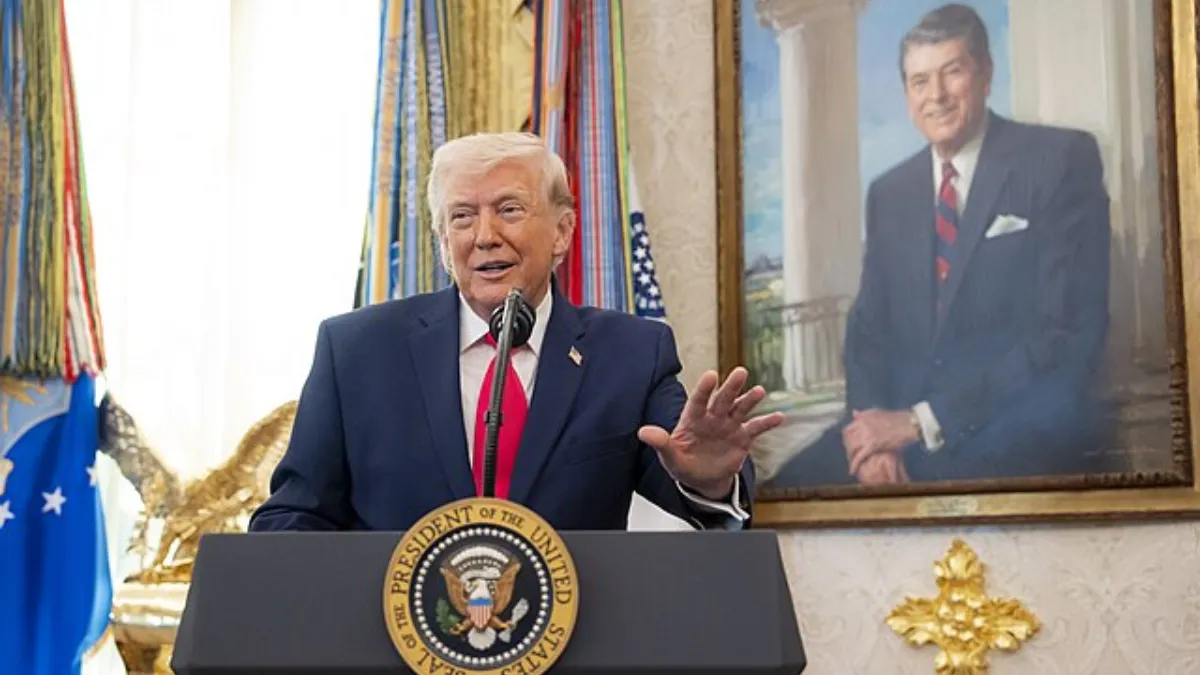
Former U.S. President Donald Trump warned that the United States could target Iran's key energy and water infrastructure if peace talks fail. Trump threatened to 'obliterate' Iran's energy facilities, including electric generating plants, oil wells, and facilities on Kharg Island, a major Iranian oil export point.

This warning comes at a time of increasing tensions in the region, with Iran and the United States at odds over nuclear and security issues. Trump's aggressive rhetoric has exacerbated concerns about a possible military escalation and has generated condemnation internationally.

Global oil prices experienced an initial increase following the attack on the oil tanker, reflecting concerns about potential supply disruptions in a region crucial for crude oil production. However, prices later stabilized amid reports that Washington was considering steps to de-escalate the conflict.

The Strait of Hormuz, through which approximately one-fifth of the world's oil supply passes, remains a critical global chokepoint. Iran's closure of the passage has disrupted exports and tanker traffic, creating uncertainty in the global energy market.

According to the Dubai Media Office, the safety of all 24 crew members has been secured, and firefighting operations continue on board the Kuwaiti oil tanker. Authorities are working to assess the damage and prevent any oil spills that could cause an environmental disaster in the region.

The rapid response of the authorities and the information provided by the media have been crucial in calming public concern and assessing the situation in real time. The international community is closely following the events in the Persian Gulf, awaiting a peaceful resolution and the stabilization of the situation.

Any attack in the region, which hosts major oil terminals, refineries, and shipping routes, could severely disrupt supply chains and affect global energy markets. The escalation of tension between the United States and Iran poses serious geopolitical and economic implications, requiring a coordinated response from the international community.

Analysts warn that military action could trigger retaliation from Tehran, further increasing the risk of conflict. The situation in the Persian Gulf remains volatile and requires careful diplomacy to avoid an escalation that could have devastating consequences.
Editorial Note

This content has been synthesized and optimized to ensure clarity and neutrality. Based on: The Inquisitr