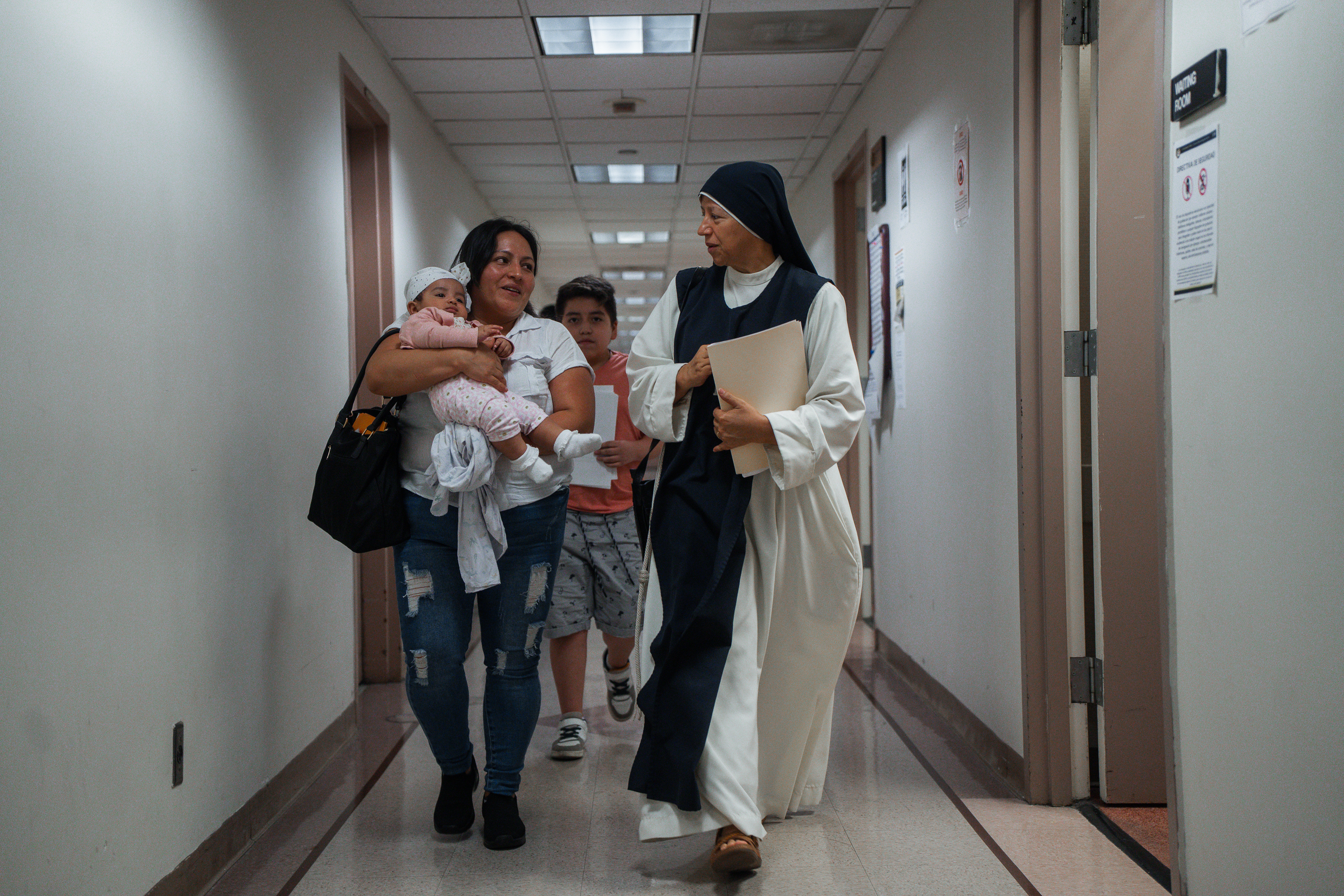
DHS published a proposed rule seeking to increase the waiting time for asylum seekers to apply for work authorization. This measure, although presented as a drastic change, focuses on preventing fraud in the asylum system. Currently, applicants can apply for work permits five months after applying for asylum, receiving the authorization document after six months. This policy has been an incentive for fraud, according to DHS.
The proposal seeks to increase the waiting time to a minimum of one year and stop accepting asylum-related employment authorization applications if the processing time exceeds 180 days for 90 consecutive days. This is considered a half-measure to discourage fraud, and it is suggested that the final rule be stricter, requiring approval of the asylum application before granting work authorization.
The Immigration and Nationality Act, as amended in 1996, establishes a minimum waiting period of 180 days for work authorization for asylum seekers. However, this does not imply that authorization must be granted after six or twelve months. The Trump administration attempted to extend the period to 365 days in 2020, but the measure was blocked by the courts. DHS argues that the measure is necessary due to the high number of initial employment applications and the overload of resources.
As of June 30, 2025, there were more than 1.5 million pending asylum applications and more than 434,000 asylum-related employment authorization applications. In addition, there are 2.3 million asylum applications pending in the Department of Justice immigration courts. These cases can take years to resolve, which leads to fraudulent applications becoming a low-risk, high-reward option, according to DHS.
DHS considered completely eliminating employment authorization for pending asylum seekers, but decided not to do so "at this time", seeking to reduce fraud with less drastic measures. However, it warns that if the proposed rule is not effective, other options will be re-evaluated.
The implementation of the proposed rule could lead to the suspension of asylum-related employment authorization applications for years, due to the time it takes to process the applications. This could put pressure on adjudicators to accelerate decisions, which could lead to faster and easier approvals, rather than denials that require more paperwork and review. In addition, the rule could add instability to the process by turning the entire application process on and off.
According to experts, the most effective solution would be not to grant work authorizations until asylum applications are approved. This would reduce the number of fraudulent applications, decrease the backlog, and shorten processing times. It could also encourage people fleeing persecution to seek protection as refugees before arriving in the US, which would benefit everyone involved.
Lora Ries, director of the Border Security and Immigration Center at The Heritage Foundation, is one of the experts who supports this position. The current situation, with a large number of pending applications and an overburdened system, requires more forceful measures to combat fraud and ensure that the asylum system works efficiently and fairly.