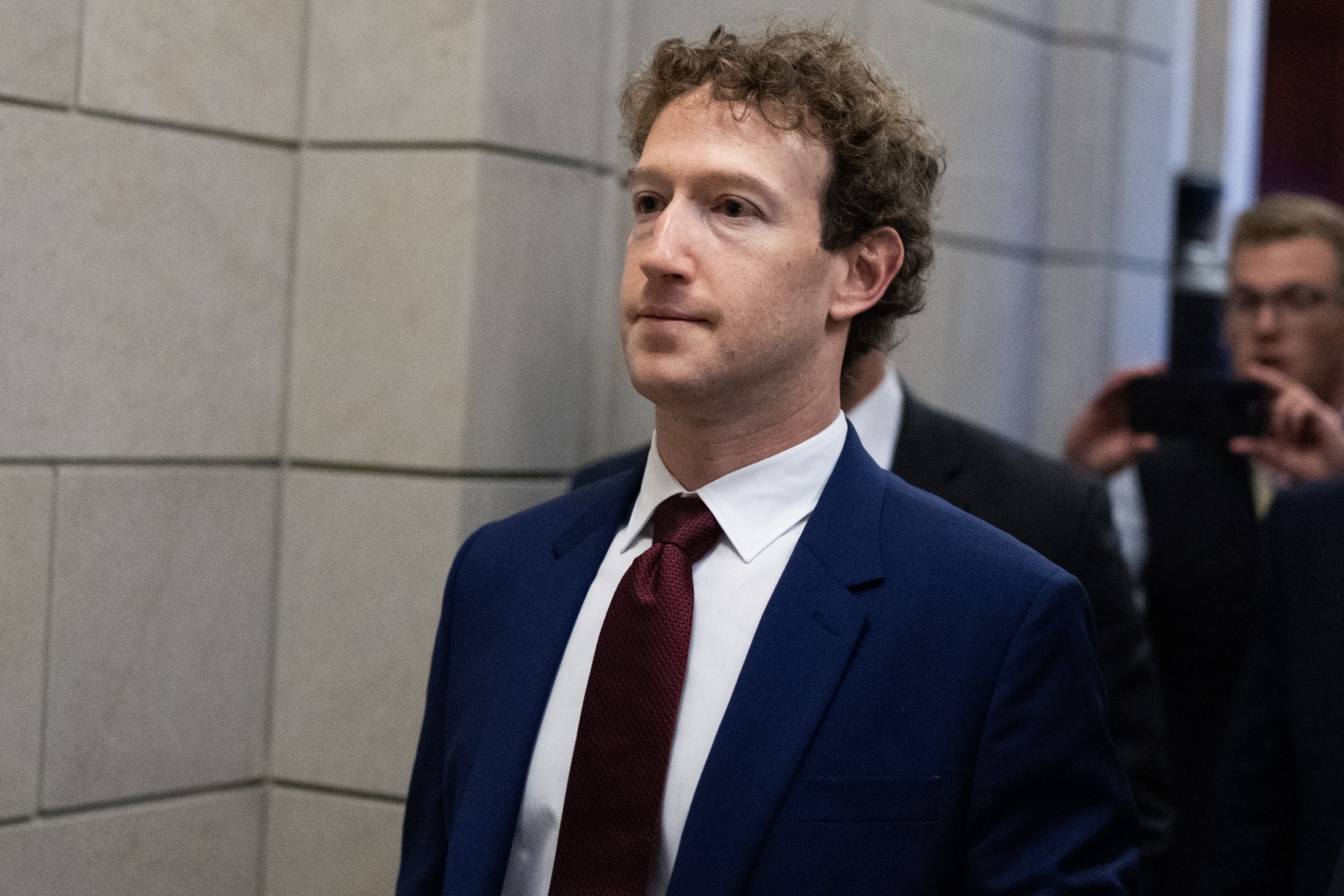
In 2022, Mark Zuckerberg announced the company's first round of mass layoffs, affecting 11,000 employees. In 2023, during the "year of efficiency," Meta cut another 10,000 jobs and froze hiring. The most recent round of layoffs, affecting the Reality Labs unit, was reported this week, with an additional 700 layoffs. Zuckerberg initially showed empathy, but his tone has changed, which, according to experts, is hurting the employees still remaining at the company.
By early 2023, Zuckerberg replaced empathy with cold business logic, stating that the cuts were aimed at "low performers" and that he had raised the bar on "performance management." Many of the laid-off workers argued on social media that they were never warned about performance issues before being fired.
Stevens Institute of Technology business professor Haoying Xu noted that Zuckerberg's inconsistent leadership may increase quiet quitting among the remaining workers and cause them to lose faith in his decision-making. Xu observes that layoffs have gone from being a necessity to a norm at the company. This change in approach can damage Zuckerberg's credibility and the trust of employees, especially after investing heavily in the metaverse and Reality Labs.
Zuckerberg's decision to invest in the metaverse, changing the company's name to Meta in 2021, and the subsequent downsizing in Reality Labs, may raise doubts among employees about the CEO's grand ideas. Xu argues that Zuckerberg's inconsistency and untrustworthiness can erode employee trust.
Jessica Kriegel, chief strategy officer at consulting firm Culture Partners, suggests that the layoffs could also be interpreted as Zuckerberg's willingness to correct course in the metaverse. She highlights that Zuckerberg bet heavily on the metaverse and then quickly readjusted the system when the results did not match the pace. Kriegel notes that many founders would not have made the same decision.
Zuckerberg's declaration of a "year of efficiency" and his change in tone reflect a broader shift in tech companies, especially with the impact of AI. Companies are seeking to be more efficient, and Meta is aiming for a market cap of $9 trillion by 2031, with incentives for its executives.
Meta's new applied AI engineering team employs a 50:1 employee-to-manager ratio, higher than the average of 12.1 employees per manager in 2025, according to Gallup. This suggests increased pressure on employees and a possible reduction in direct supervision.
If tech companies cannot guarantee job security, employees will demand other benefits, such as greater flexibility in remote work and training. Training is crucial to increase the chances of finding employment in the event of layoffs.
Kriegel emphasizes that Zuckerberg needs to restore normalcy in the company to reassure workers. The key is to be candid about the business reasons behind the layoffs and not over-explain. Employees need to believe in the company's vision to move forward.
Consistency is more important than inspiration at this point, according to Kriegel. Employees need to see the same priorities reinforced consistently in decisions and investments, as well as in what is rewarded internally.