

Health Tech3 minMar 26, 2026

Alzheimer's Detection: Lawmakers Push Bipartisan Bill for Crucial Early Detection

Listen
Share

The ASAP Act aims for early Alzheimer's detection, arguing that inaction is financially unsustainable and harms millions of Americans.

OMNI
OMNI
#Alzheimer's#Health#Health Policy#Early Detection#ASAP Act
Alzheimer's Detection: Lawmakers Push Bipartisan Bill for Crucial Early Detection
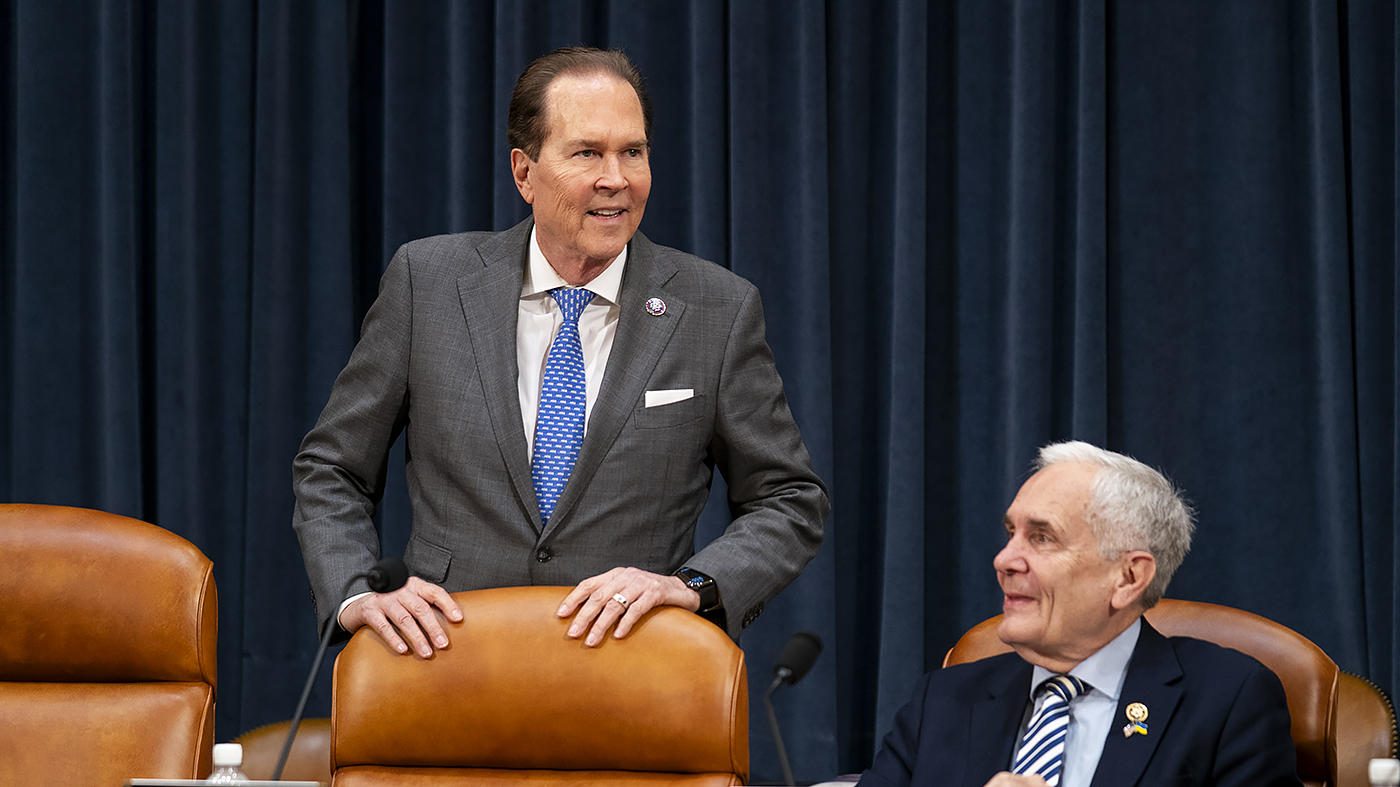
Reps. Paul Tonko (D-N.Y.) and Vern Buchanan (R-Fla.) are leading a bipartisan effort to push the Alzheimer's Screening and Prevention (ASAP) Act. They argue that proactively addressing Alzheimer's is a financial and public health necessity. Buchanan, who experienced the disease firsthand with his father, emphasizes the importance of early detection for improved care and management of the disease.

According to the Alzheimer's Association, over 7 million Americans are currently living with Alzheimer's. The congressmen are seeking funding to implement early detection tests, recognizing that early detection is crucial for effective treatment and patient well-being. The ASAP Act has significant bipartisan support in Congress.
The ASAP Act would allow the Centers for Medicare and Medicaid Services (CMS) to cover blood-based screening tests approved by the Food and Drug Administration (FDA) for Alzheimer's. This includes tests like the Lumipulse G pTau217/ß-Amyloid 1-42 Plasma Ratio and the Elecsys pTau181, which detect amyloid plaques associated with the disease.

The FDA approved these tests last year, marking a significant advancement in the early detection of Alzheimer's. The law seeks to ensure that these new tests, which are less invasive, are available and affordable for patients.
Early detection offers better opportunities to slow the progression of the disease. The Alzheimer's Association's 2025 annual report highlights that patients diagnosed in the early stages, such as mild cognitive impairment (MCI) or mild dementia, are the only ones eligible to receive new anti-amyloid medications like donanemab (Kisunla) and lecanemab (Leqembi).

In addition to improving treatment options, early detection can reduce anxiety, encourage healthier behaviors, and help patients better plan their personal and financial future.
Rep. Buchanan stated, “We will find a way to get the money, the funds, one way or the other, because it’s too expensive not to.” This statement reflects the urgency with which lawmakers view the need to address Alzheimer's. The ASAP Act is seen as an investment in public health and a measure to reduce the long-term costs associated with treating the disease.

The law seeks to shift the healthcare system's focus from a reactive to a proactive approach, especially in the detection and treatment of diseases like Alzheimer's.
Rep. Tonko underscored the importance of adding these tests to the list of covered services, highlighting their less invasive nature and the potential for early detection they offer. The ASAP Act represents a crucial step in improving the quality of life for millions affected by Alzheimer's.

The combination of early detection, innovative treatments, and better healthcare planning underscores the importance of the ASAP Act and the positive impact it could have on the community.