Trump Extends Pause on Strikes Against Iranian Energy Infrastructure Until April Amid Negotiations
Listen
Share
Former President Trump, at Iran's request, extends the halt on strikes against Iranian energy infrastructure until April 6, as talks for peace continue.
Former President Trump extended the pause on US military strikes against Iranian energy infrastructure until April 6, at the request of the Iranian government. This decision comes amidst ongoing talks between Washington and Tehran to end the war in the Middle East. Trump announced the extension in a Truth Social post, indicating that the pause would last until Monday, April 6, 2026, at 8 p.m., Eastern Time. The announcement follows the president's order of a five-day halt on strikes on Iranian energy facilities on Monday, after threatening to hit the sites over the weekend. `
` In the post, Trump stated that talks are ongoing and going very well, despite erroneous statements by the media and others. The situation reflects the complexity of the relations between the United States and Iran, and the efforts to find a diplomatic solution to the ongoing conflict.
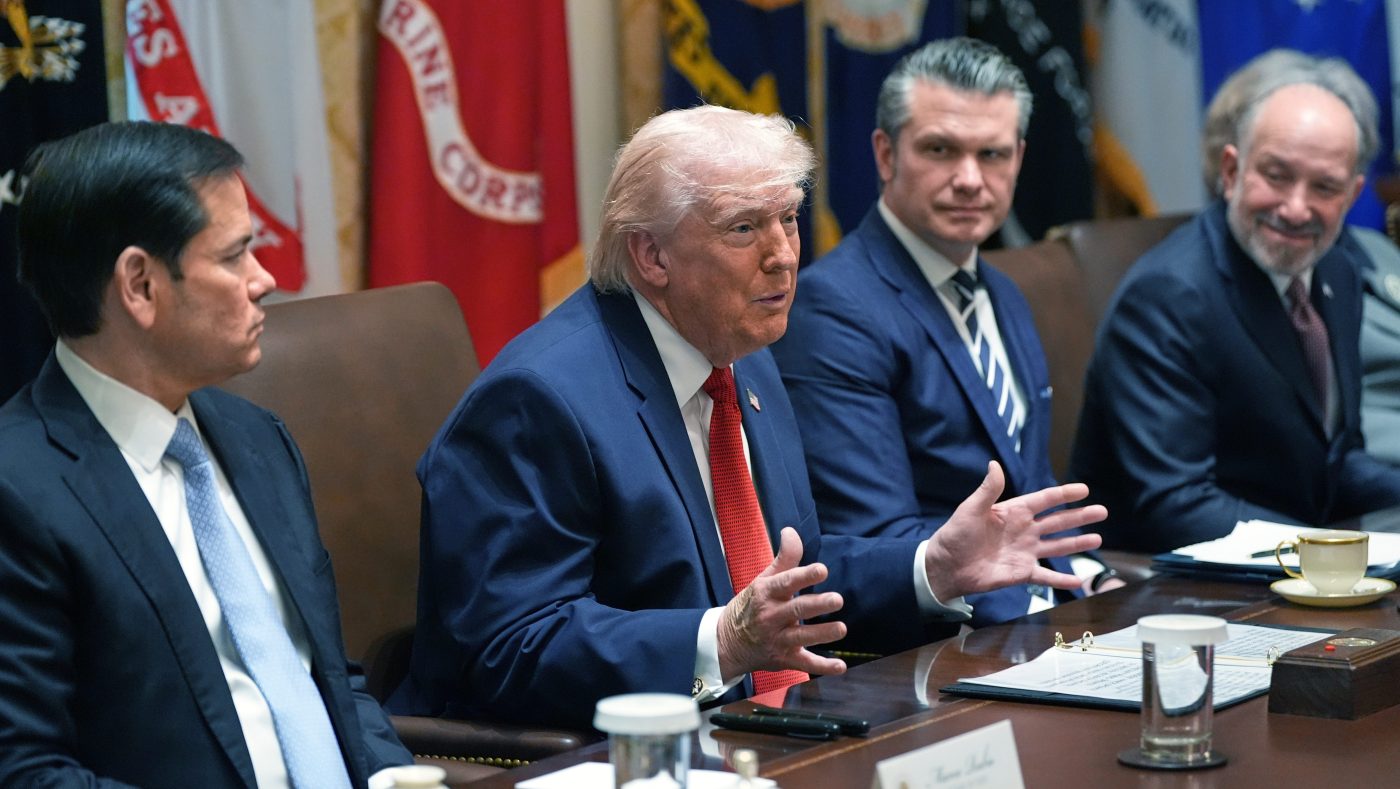
During a cabinet meeting on Thursday, Special Envoy Steve Witkoff confirmed that Washington presented a 15-point action list that would serve as a framework for a peace plan with Iran, in the fourth week of the ongoing war. Witkoff noted that Pakistan has served as a mediator between the United States and Iran. This mediation is indicative of the ongoing diplomatic efforts to de-escalate the conflict and find a peaceful solution. `
` Iran has previously denied that negotiations with the United States are taking place, but has also stated that it is reviewing the US plan to end the conflict in the Middle East. These movements suggest a degree of flexibility and willingness to dialogue, despite existing tensions.
Secretary of State Marco Rubio, also Trump's national security advisor, stated that progress has been made in talks with Iran. Rubio mentioned an increase in the flow of energy through the strait, although not at the optimal amount. This suggests progress, albeit limited, in trade and energy relations. `
` Rubio emphasized that the process is ongoing and dynamic, and that it will not be negotiated or discussed publicly in the media. This approach underscores the sensitivity of the negotiations and the need for discretion to achieve a lasting agreement.
Former Chicago Mayor Rahm Emanuel stated that Iran has discovered that restricting access in the Strait of Hormuz is its "nuclear option." This highlights the strategic importance of the strait and the potential impact of Iranian actions in the region. `
` The current situation occurs in the midst of a war that has already lasted almost a month, which underlines the urgency of finding a peaceful solution. Trump's decision to extend the pause on attacks reflects an attempt to prioritize negotiations and avoid an escalation of the conflict.
Diplomats such as Richard Haass have criticized the Trump administration for its lack of preparation in military operations against Iran. Haass noted that going to war without Congress, the public, and allies, and with constantly changing objectives, is problematic. Lack of preparation can have significant consequences and hinder the resolution of the conflict. `
` In addition, the Pentagon is reportedly considering diverting weapons intended for Ukraine to the Middle East due to the shortage of critical munitions in the war against Iran. This highlights the logistical and financial pressures that the war is exerting on the United States.