PrometuNews
© 2026 Prometu NewsPowered by Prometu, Inc.
Formula 13 min...

FIA Responds to Bearman Crash: Review After Suzuka Incident

Listen
Share

The FIA responds to Oliver Bearman's shocking crash at the Japanese Grand Prix, promising a review of the 2026 technical regulations.

OMNI
OMNI
#F1#FIA#Oliver Bearman#Crash#2026 Regulations
FIA Responds to Bearman Crash: Review After Suzuka Incident

The Federation Internationale de l'Automobile (FIA) has reacted to Oliver Bearman's dramatic crash at the Japanese Grand Prix, an incident that has amplified concerns over the 2026 technical regulations and the risks created by extreme speed differences between cars.

The Haas driver, who suffered a 50G impact, was involved in a crash after taking evasive action. This incident has highlighted the need for a thorough review of the current regulations.

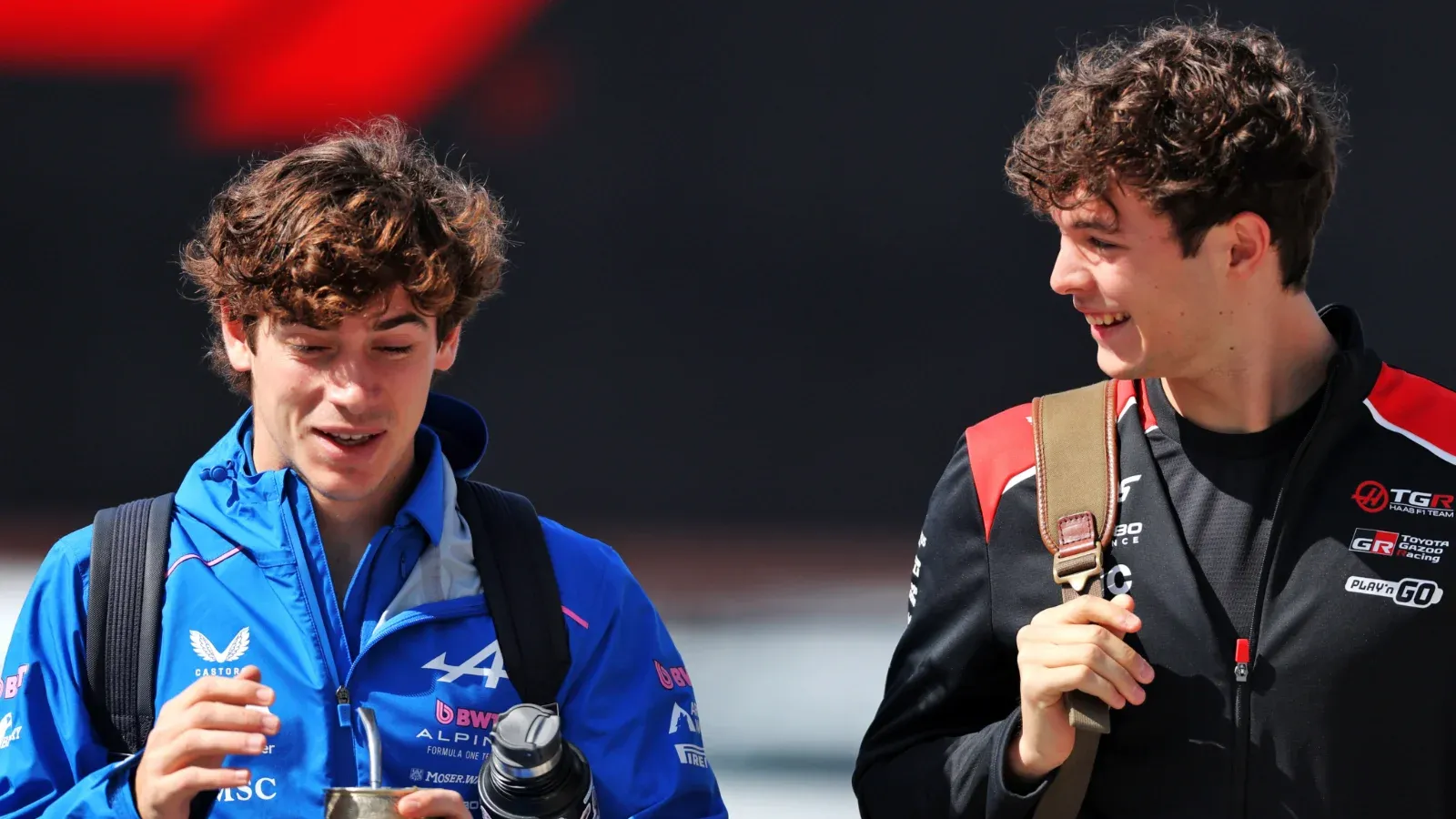
The accident occurred at Spoon corner when Bearman, who was behind Franco Colapinto, was forced to react to a sudden increase in speed, which sent him into the barriers.

FIA Responds to Bearman Crash: Review After Suzuka Incident - Image 1

The speed differential between the cars reached 45 km/h, which caused the accident, even though Colapinto's Alpine was not harvesting energy at that moment and its rear warning lights were off.

This incident has reignited warnings from drivers about the dangers created by energy management under the new regulations.

Carlos Sainz, director of the Grand Prix Drivers' Association, commented: "There were a lot of big moments in the first three laps while we all sorted out our energies until our systems learned with the closing speeds we have with the boost button".
FIA Responds to Bearman Crash: Review After Suzuka Incident - Image 2

Carlos Sainz has expressed his concern, indicating that F1 and the FIA had been warned about the risks of these closing speeds and accidents.

Sainz added: "We hope we come up with a better solution that doesn't create these massive closing speeds and a safer way of racing".

Bearman's crash highlights how quickly a seemingly minor speed difference can turn into a life-threatening incident.

The FIA responded with a formal statement acknowledging the role of high closing speeds in Bearman’s accident and emphasizing the ongoing review of the new regulations.

The statement notes that the 2026 regulations have been the subject of ongoing discussions between the FIA, teams, power unit manufacturers, drivers, and FOM.

A series of meetings have been scheduled in April to assess the operation of the new regulations and determine if adjustments are required.

The FIA has stated that any potential adjustments, especially those related to energy management, require careful simulation and detailed analysis.

The FIA will continue to work in close and constructive collaboration with all stakeholders to ensure the best possible outcome for the sport, and safety will always remain a core element of the FIA's mission.

At this stage, any speculation regarding the nature of potential changes would be premature, and further updates will be communicated in due course.

Bearman’s crash is the first real-world test of the dangers posed by mismatched electrical boosts, highlighting how quickly a seemingly minor speed differential can turn into a life-threatening incident.

With the FIA promising a review and Bearman recovering, the incident is a stark reminder that technological innovation in Formula 1 must be balanced with driver safety as the sport enters a new era of high-speed, energy-managed racing.

The FIA is committed to safety and will continue to work to improve regulations.
Editorial Note

This content has been synthesized and optimized to ensure clarity and neutrality. Based on: F1i