PrometuNews
© 2026 Prometu NewsPowered by Prometu, Inc.
Formula 13 min...

Colapinto Defends Role in 'Really Dangerous' Bearman F1 Crash at Japanese GP

Listen
Share

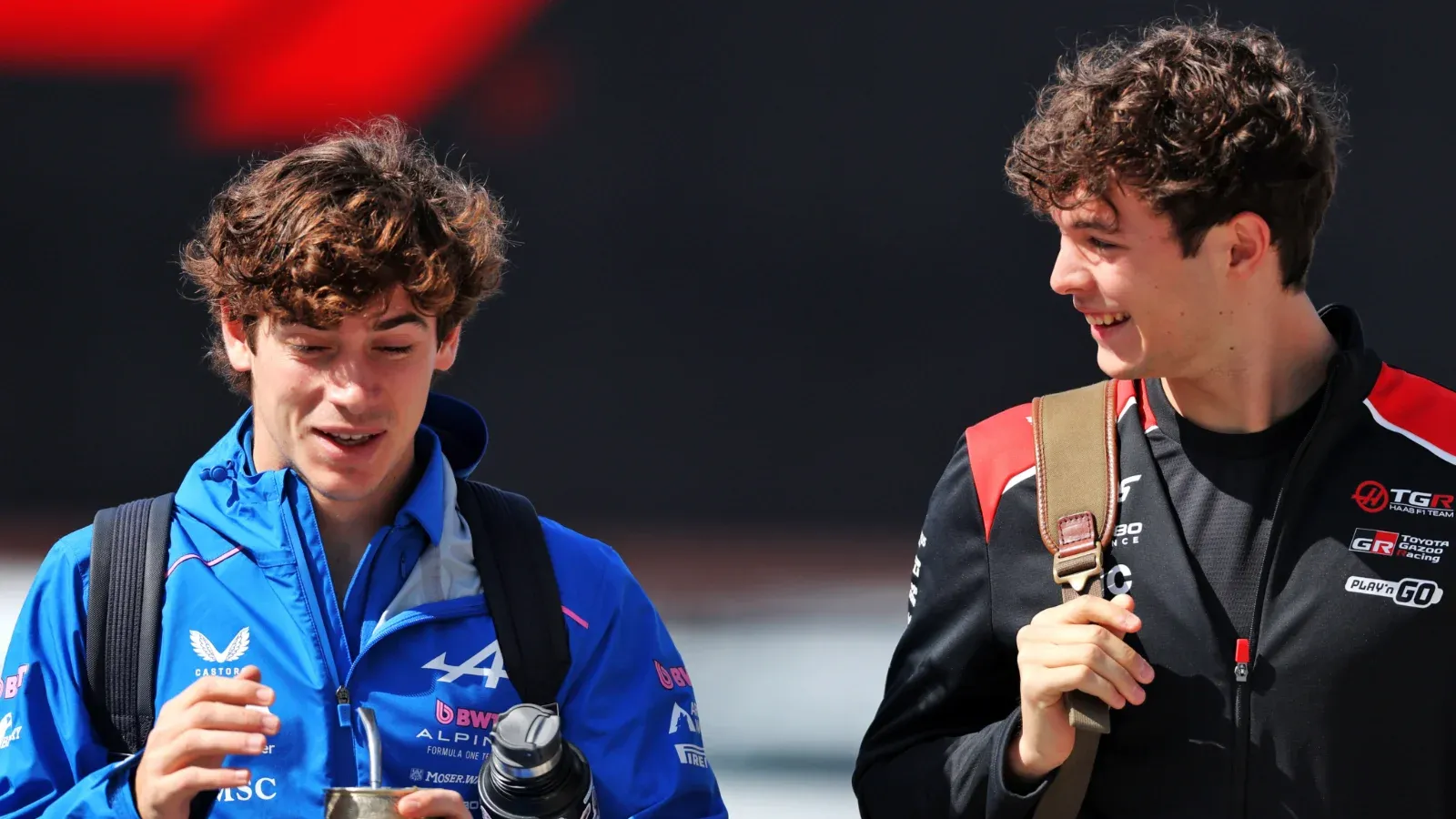
Franco Colapinto denies being the direct cause of the crash that sent Oliver Bearman to the medical center at the Japanese Grand Prix.

OMNI
OMNI
#F1#Franco Colapinto#Oliver Bearman#Japanese GP#Crash
Colapinto Defends Role in 'Really Dangerous' Bearman F1 Crash at Japanese GP

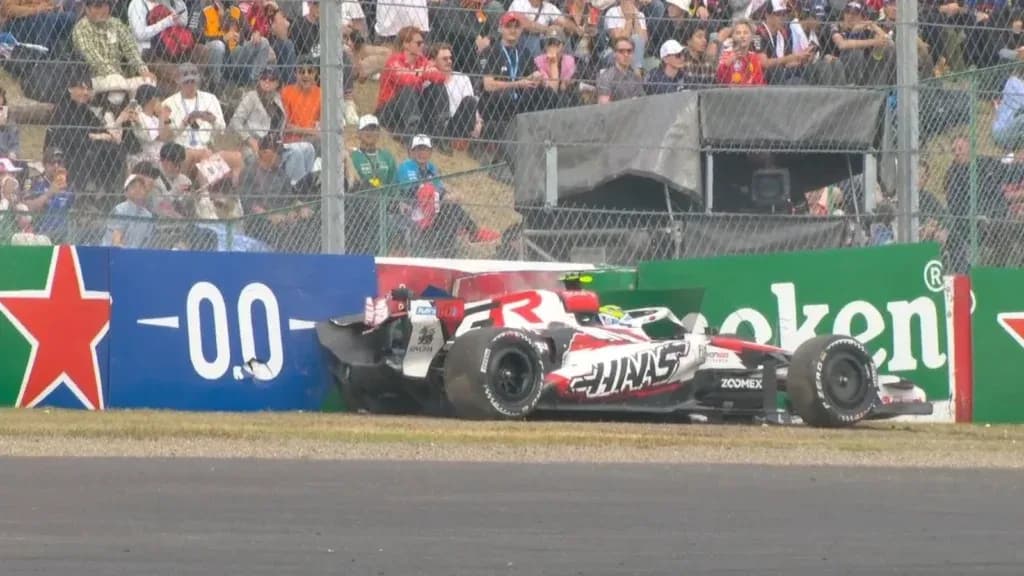
Argentinian driver Franco Colapinto has denied being the direct cause of the shocking accident involving Oliver Bearman at the Japanese Formula 1 Grand Prix. The incident occurred at Spoon Curve on lap 21, where Bearman's Haas collided with Colapinto at a speed 50 km/h faster than the Alpine. Bearman was forced to take evasive action, going off-track and hitting the wall. The impact, estimated at 50G, forced marshals to assist Bearman, who was visibly limping.
Colapinto Defends Role in 'Really Dangerous' Bearman F1 Crash at Japanese GP - Image 1


Bearman was taken to the medical center for evaluation and X-rays, and was later cleared. The Ferrari academy driver, excused from media duties, expressed his concern about the 'scary moment', apologizing to the team for the crash, but suggested that Colapinto could have done more to minimize the chances of the collision. 'Also I felt like I wasn’t given much space, given the huge excess speed I was carrying,' Bearman stated.

Bearman also pointed out that the accident was likely caused by Colapinto needing to regenerate energy in his battery, a risk that will be constant due to the new 50-50 hybrid engines, as part of the new regulations. 'There was a massive overspeed – around 50kph – which is a part of these new regulations, and we have to get used to it,' Bearman said. Colapinto, while denying culpability, agreed on the need to adapt to the speed difference. 'It was really strange, the speed difference was so big it was almost like I was on an out-lap, it was really odd,' Colapinto told media, including Motorsport Week.

Colapinto added, 'I think it gets sketchy when the straights are not straight, and it is turning, and as I looked in the mirrors, he was spinning on the grass and even overtook me, so imagine the speed difference'. The Argentinian driver concluded, 'I think at some point, it becomes really dangerous, and I’m glad he was OK. I never moved or anything like that, so I think the speed difference, the marbles [contributed], but the biggest thing is that one car was doing 50kph more, and that is when it becomes dangerous.'

Colapinto continued to explain the circumstances: 'It is the same thing which happened in Melbourne, just that was in the race start, and I had to avoid someone doing 100kph less, but it is the things happening with these cars, and we just need to understand how to make it a bit less of a problem. I never used the boost in that straight corner, but I think Ollie was using it because he looked really strong and came like 45kph quicker than on his previous lap, and that is a really big difference'.

This incident highlights one of the biggest pitfalls of the new F1 regulations. With cars traveling at different speeds, the danger of colliding with a slow car is very real, and although drivers have impeccable reactions, accidents like this could be repeated throughout the season.
Editorial Note

This content has been synthesized and optimized to ensure clarity and neutrality. Based on: Motor Sport Week