PrometuNews
© 2026 Prometu NewsPowered by Prometu, Inc.
Auto Tech4 min...

Iran War's Impact on Global Auto Sales

Listen
Share

The Iran war and oil supply disruptions are driving interest in electric vehicles worldwide.

OMNI
OMNI
#war#Iran#automobiles#electric vehicles#oil
Iran War's Impact on Global Auto Sales

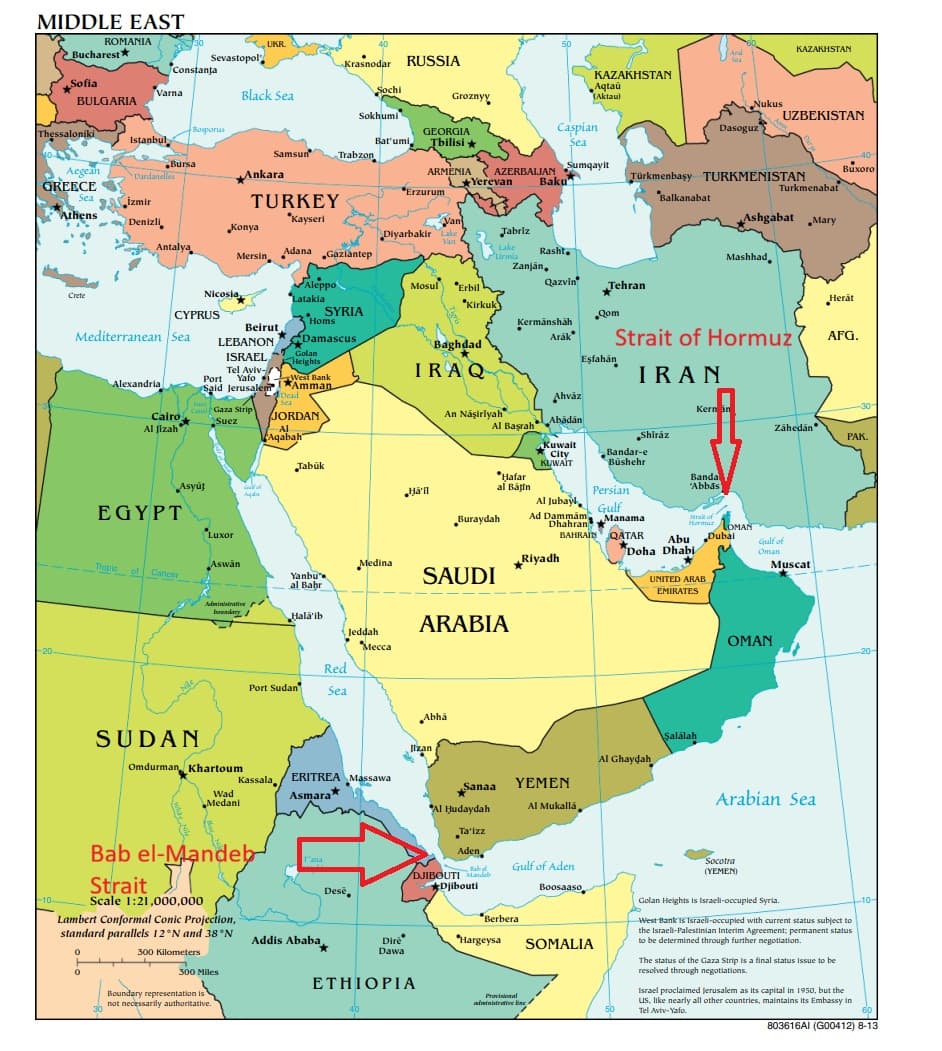
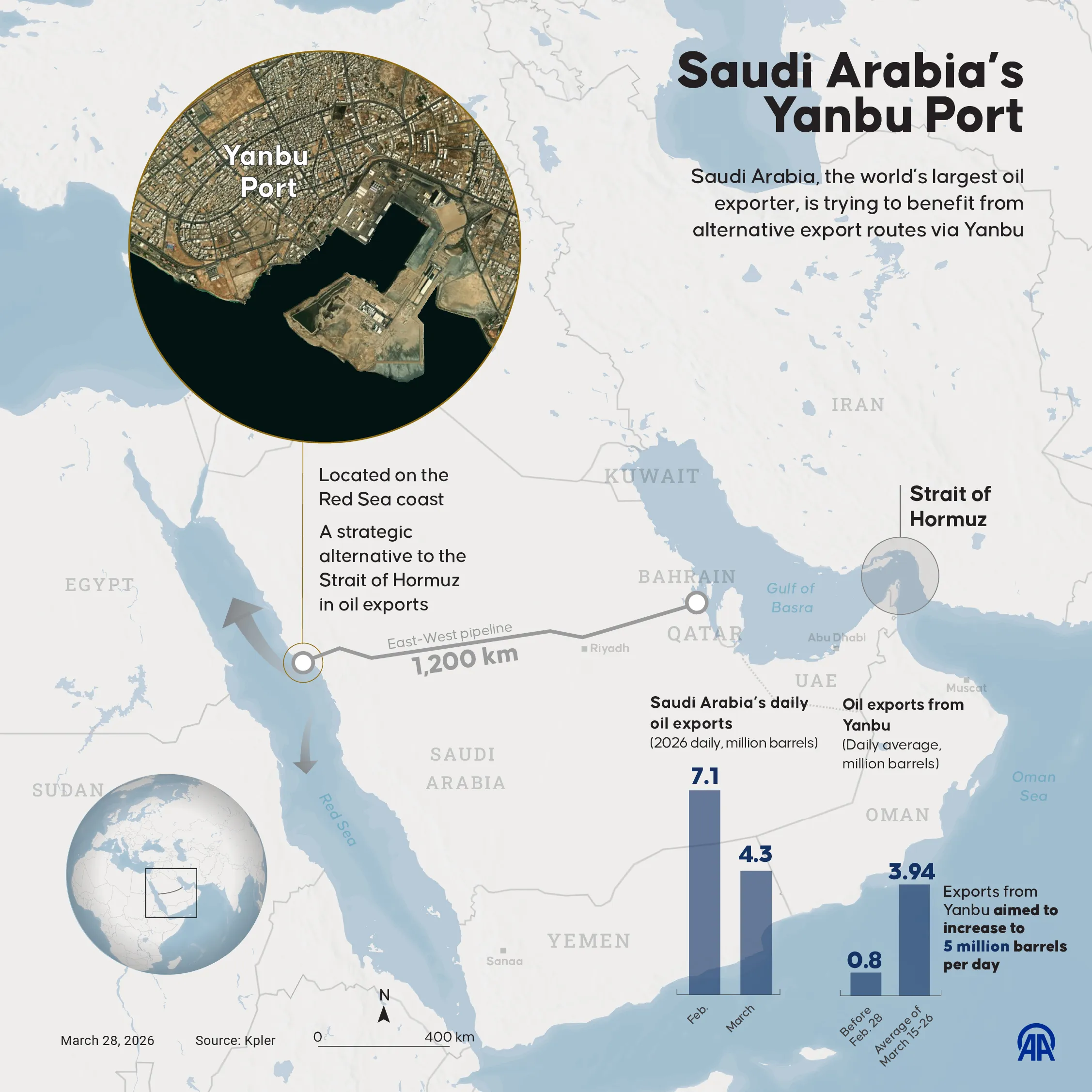
The war in Iran is having significant repercussions on the global automotive industry, mainly due to disruptions in oil supply. The closure of the Strait of Hormuz, for example, could affect up to 20% of the world's oil supply, with price projections that could reach $100 a barrel. In addition, the threat of closing the Bab el-Mandeb Strait exacerbates the situation, potentially stopping another 4% of the global supply.

These disruptions, according to the article from the Federal Reserve Bank of Dallas, are 3 to 5 times greater than those of previous crises in 1973, 1979, 1980 and 1980. The situation has generated greater market uncertainty and has accelerated the consideration of alternatives to gasoline vehicles.


Historically, the demand for oil has been rigid in both the short and long term, due to the lack of alternatives. However, the growing adoption of electric vehicles, buses and motorcycles suggests a change in this dynamic. Although the penetration of electric vehicles is currently low, it is expected to increase as consumers seek alternatives to gasoline and diesel vehicles, driven by rising fuel prices and supply uncertainty.

Consumers tend to overreact to sudden price spikes and concerns about availability, but the transition to electric vehicles offers a long-term solution to mitigate these effects.
Iran War's Impact on Global Auto Sales - Image 1

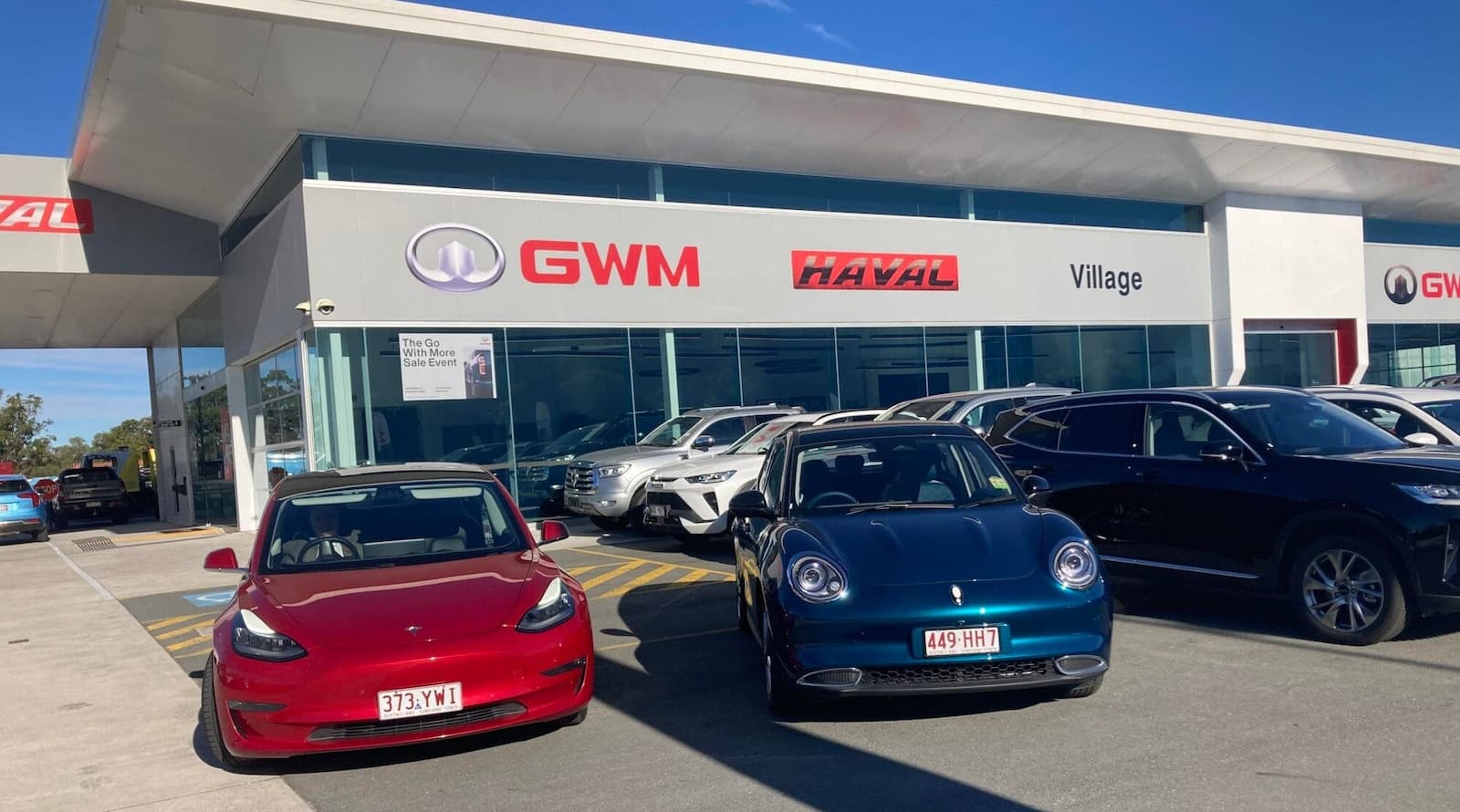
The Chinese electric vehicle market has experienced a slight slowdown in 2026 due to the reduction in government subsidies. However, the Chinese automotive industry, with its production capacity for both gasoline and electric vehicles, could be in a favorable position. Rising oil prices could boost demand for electric vehicles both domestically and internationally. In addition, hybrid and gasoline vehicles could continue to be popular in areas with limited charging infrastructure, offering an attractive option for consumers.

China's strategy of increasing exports and closing some factories could further strengthen its position in the global market.
Iran War's Impact on Global Auto Sales - Image 2

The electric vehicle market in the United States has experienced significant fluctuations, with an increase in sales driven by tax incentives and a subsequent slowdown. Despite new models and discounts, electric vehicle sales have been moderate this year. However, the rise in gasoline prices, driven by the war in Iran, has doubled interest in electric vehicles in recent weeks.

The key question is whether US automakers like GM, Ford and Stellantis will revive their plans to build improved electric vehicles or continue to bet on trucks. Tesla, for its part, has maintained high production of electric vehicles, anticipating greater demand due to rising gasoline prices.

Europe is expected to accelerate its transition to electric vehicles, driven by market forces and less dependent on regulations. Countries without a national automotive industry could experience a significant increase in demand for electric vehicles, as consumers are not exposed to propaganda that promotes gasoline vehicles. The growing concern about the volatility of gasoline prices and supply security is driving the adoption of electric vehicles worldwide.

Although the war in Iran could encourage oil drilling, the transition to electric vehicles in the long term could reduce the demand for additional oil.
Editorial Note

This content has been synthesized and optimized by the Prometu editorial system to ensure clarity and neutrality. Based on: CleanTechnica