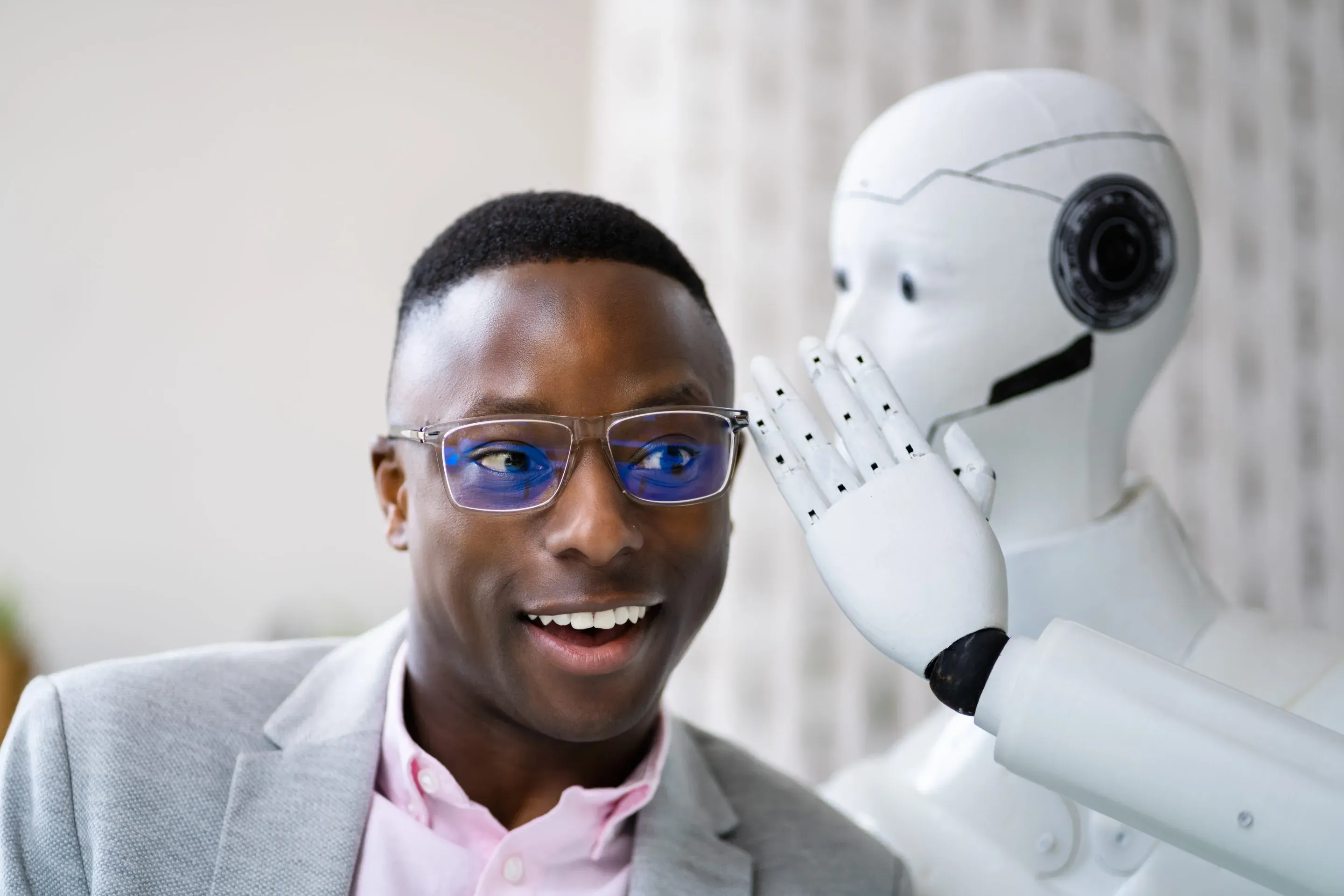
15% of Americans Would Accept an AI Boss
A survey reveals that a growing percentage of Americans are willing to work under the supervision of artificial intelligence.

#AI#artificial intelligence#employment#automation#technology

The Quinnipiac University survey, published on Monday, revealed interesting data on the acceptance of AI in the work environment. Fifteen percent of respondents in the United States were willing to have a job where an AI program assigned tasks and set schedules. This figure, although a minority, indicates an emerging trend in the perception of AI's role in the management and supervision of employees.
The survey was conducted between March 19 and 23, 2026, covering 1,397 adults in the United States. The study included questions about AI adoption, trust in AI, and job-related fears. The results suggest a growing acceptance, although with reservations, of AI as a management tool.
The survey was conducted between March 19 and 23, 2026, covering 1,397 adults in the United States. The study included questions about AI adoption, trust in AI, and job-related fears. The results suggest a growing acceptance, although with reservations, of AI as a management tool.
Despite the percentage who would accept an AI boss, the majority of respondents were reluctant to replace their human supervisors. However, the use of AI as a supervisor is gaining popularity, even in roles where teams of people are not directly managed. Companies like Workday have already launched AI agents that can manage and approve expense reports on behalf of employees. This demonstrates a gradual transition towards the automation of administrative and management tasks.
Amazon has implemented new AI workflows to replace some middle management responsibilities, which has led to the layoff of thousands of managers. These examples illustrate how AI is transforming the structure of companies and the role of employees.
Amazon has implemented new AI workflows to replace some middle management responsibilities, which has led to the layoff of thousands of managers. These examples illustrate how AI is transforming the structure of companies and the role of employees.
In various organizations, AI is being used to replace layers of management, in a process that some call "The Great Flattening." This trend raises questions about the future of employment and the structure of companies. Soon, we might see entire billion-dollar companies with fully automated employees and executives, which would radically change the labor landscape.
Americans are wary of the implications of this transformation. 70% of respondents in the Quinnipiac survey believe that advances in AI will lead to a decrease in job opportunities. In addition, 30% of the employees surveyed expressed concern, either a lot or some, about the possibility of AI making their job obsolete.
Americans are wary of the implications of this transformation. 70% of respondents in the Quinnipiac survey believe that advances in AI will lead to a decrease in job opportunities. In addition, 30% of the employees surveyed expressed concern, either a lot or some, about the possibility of AI making their job obsolete.
The implementation of AI in the workplace is transforming the way tasks are performed and teams are managed. Companies like Uber have developed AI models to simulate their executives and evaluate proposals before meetings. These types of innovations suggest that AI is not only replacing specific tasks but is also influencing decision-making and strategic planning.
The growing adoption of AI at work poses challenges and opportunities. While automation can improve efficiency and reduce costs, it also requires an adaptation of workers' skills and a reflection on the future of employment. It is essential that companies and governments address these challenges to ensure a fair and sustainable transition.
The growing adoption of AI at work poses challenges and opportunities. While automation can improve efficiency and reduce costs, it also requires an adaptation of workers' skills and a reflection on the future of employment. It is essential that companies and governments address these challenges to ensure a fair and sustainable transition.
The Quinnipiac University survey, conducted in March 2026, provides a valuable insight into the perception of AI in the workplace. The results show that, while most Americans still prefer human supervisors, a significant percentage are willing to accept AI as a boss. This trend indicates a shift in the mindset of workers and a growing acceptance of technology in the work environment.
The survey also highlights concerns about the future of employment and the need to address the challenges posed by automation. Adaptation and continuous training will be crucial for workers to thrive in a labor market increasingly influenced by AI.
The survey also highlights concerns about the future of employment and the need to address the challenges posed by automation. Adaptation and continuous training will be crucial for workers to thrive in a labor market increasingly influenced by AI.
Related Stories