Andreessen: AI Layoffs a Farce, Companies Overstaffed by 75%
Marc Andreessen argues that AI-attributed layoffs are actually the result of massive post-pandemic overhiring.

#AI#Layoffs#Marc Andreessen#Economy#Technology
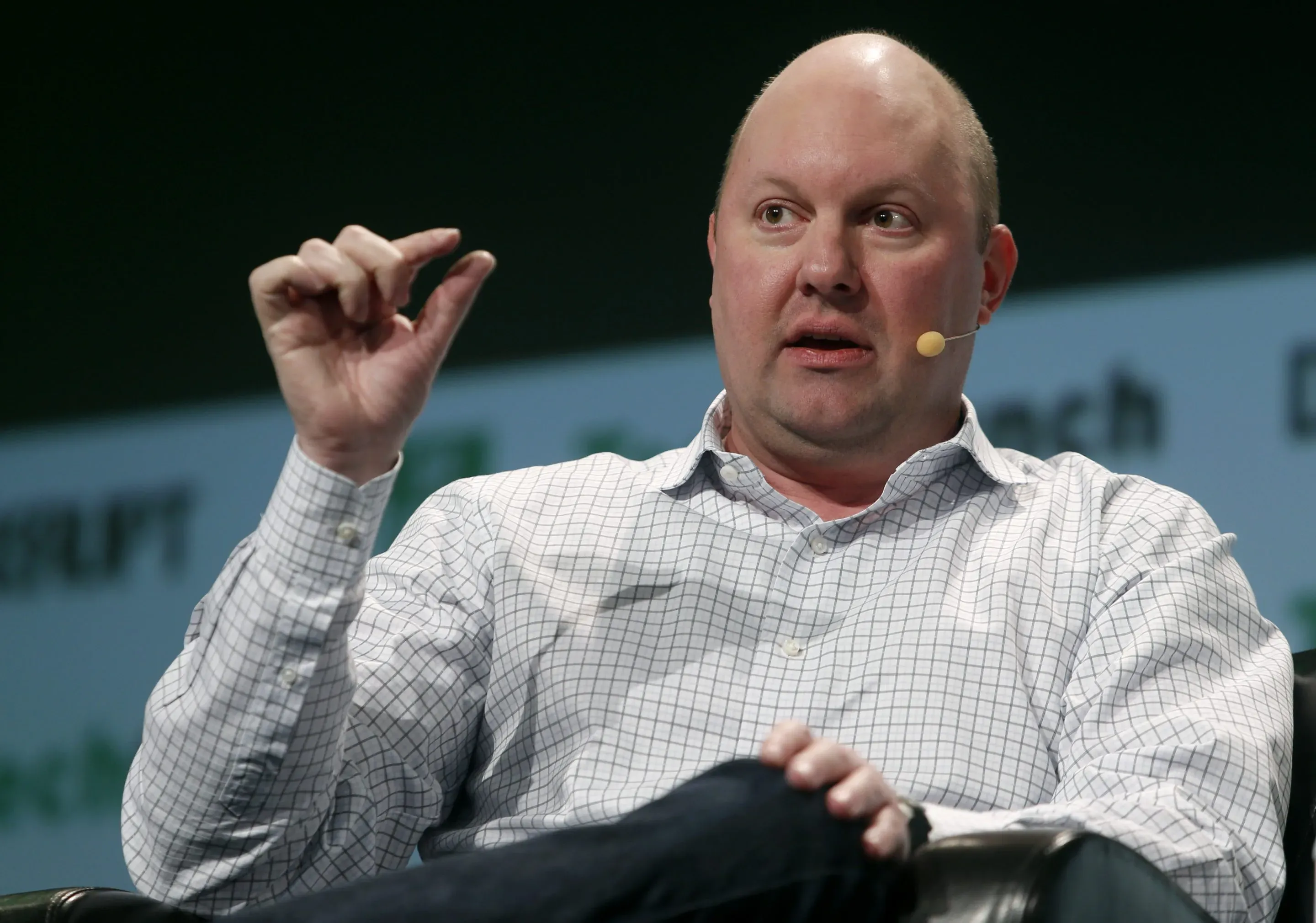
In an interview on the 20VC show, Marc Andreessen, general partner at Andreessen Horowitz, stated that AI is a 'bogeyman' masking a long-standing business flaw. According to Andreessen, most large companies are overstaffed, even by as much as 75%. The executive considers that AI is used as a scapegoat for layoffs, rather than acknowledging the overhiring carried out after the COVID-19 pandemic.
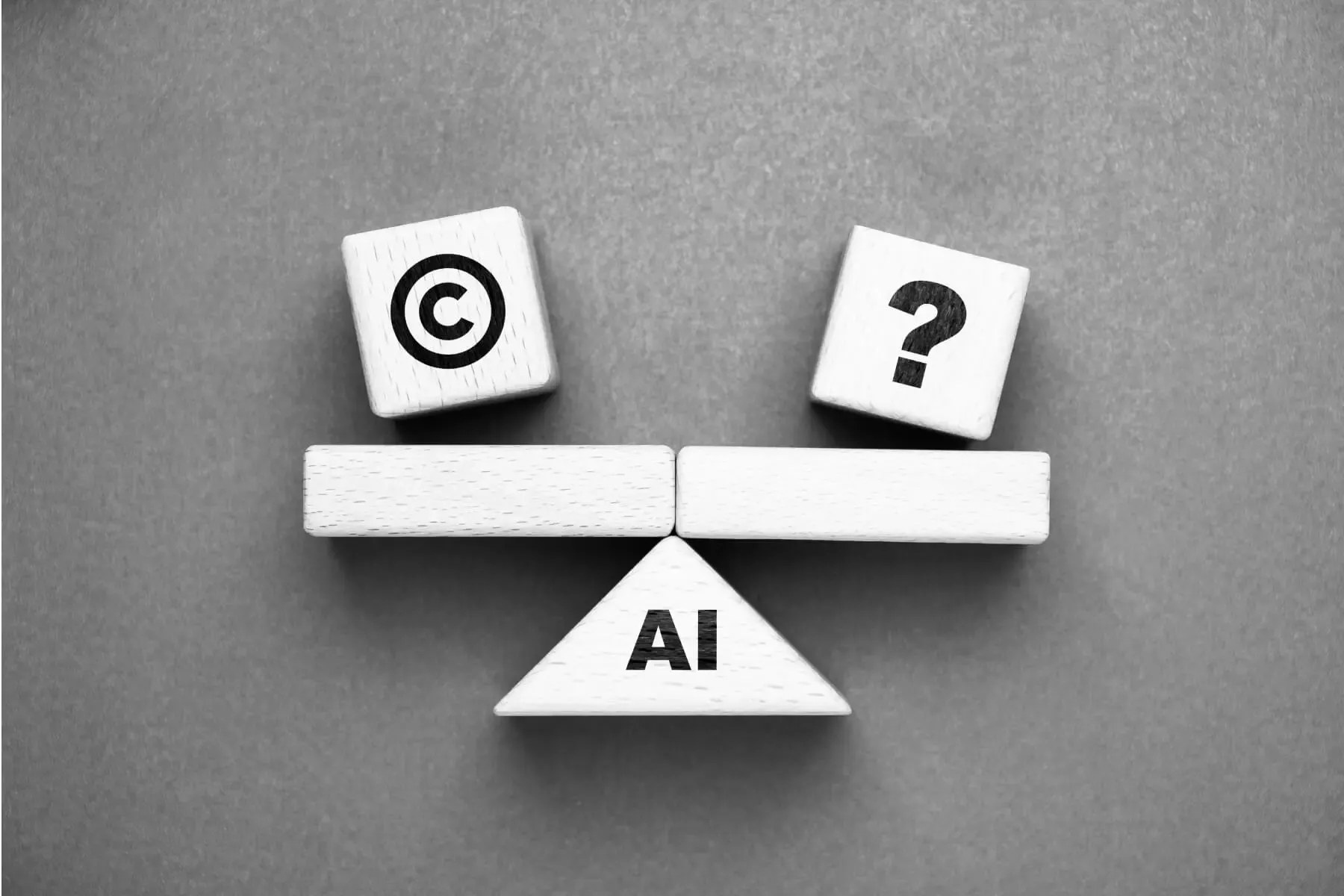
This stance aligns with the growing criticism of the narrative that AI is the main cause of layoffs. Tech leaders like Sam Altman, from OpenAI, have coined the term 'AI washing' to describe this trend, where AI is blamed for layoffs that would be normal under other circumstances.
This stance aligns with the growing criticism of the narrative that AI is the main cause of layoffs. Tech leaders like Sam Altman, from OpenAI, have coined the term 'AI washing' to describe this trend, where AI is blamed for layoffs that would be normal under other circumstances.
Jack Dorsey, CEO of Block, laid off 40% of his workforce, anticipating a trend of AI-driven layoffs. Atlassian also took similar measures. Meta, for its part, is reportedly planning massive layoffs, attributed to the greater efficiency achieved with AI assistance. These decisions come after a wave of hiring during the pandemic, when tech companies expanded rapidly.
The post-pandemic hiring surge led to significant employment growth, reaching 8.3 million by May 2020, according to the Bureau of Labor Statistics. Companies like Amazon doubled their headcount between 2019 and 2021. However, many companies have reduced staff after this period of expansion.
The post-pandemic hiring surge led to significant employment growth, reaching 8.3 million by May 2020, according to the Bureau of Labor Statistics. Companies like Amazon doubled their headcount between 2019 and 2021. However, many companies have reduced staff after this period of expansion.
Amazon has laid off nearly 30,000 workers to reduce layers and bureaucracy. Alphabet, Google's parent company, cut 12,000 jobs in 2023, after a period of massive hiring during the pandemic. Even Jack Dorsey admitted that some of the cuts at Block were the result of overhiring.
Andreessen maintains that AI is not the real cause of the layoffs, and that the belief in a fixed amount of work in the economy is wrong. He argues that AI increases worker productivity, rather than reducing labor costs.
Andreessen maintains that AI is not the real cause of the layoffs, and that the belief in a fixed amount of work in the economy is wrong. He argues that AI increases worker productivity, rather than reducing labor costs.
Contrary to Andreessen's opinion, recent studies suggest a significant impact of AI on the labor market. An Anthropic study demonstrated that AI is capable of performing most of the tasks associated with engineering, law, finance, and business. In addition, a Cognizant study predicts that AI-related job cuts could exceed 500,000 this year, a considerable increase from the previous year.
Although these projections do not match the most alarmist predictions, the consensus is that AI is transforming the labor market.
Although these projections do not match the most alarmist predictions, the consensus is that AI is transforming the labor market.
Andreessen claims that AI is not yet sophisticated enough to replace human workers and that current layoffs cannot be attributed to this technology. In his words: 'AI, literally until December, was not actually good enough to do any of the jobs that they're actually cutting. It just can't have been AI'.
This statement reflects a critical stance towards the dominant narrative about the impact of AI on the labor market, suggesting that other factors, such as overhiring, are the true drivers of layoffs.
This statement reflects a critical stance towards the dominant narrative about the impact of AI on the labor market, suggesting that other factors, such as overhiring, are the true drivers of layoffs.
Related Stories