AI and Copyright: Legal Implications for Brands
The Supreme Court's recent ruling on copyright and AI redefines intellectual property in branding.

#AI#Copyright#Branding#Intellectual Property
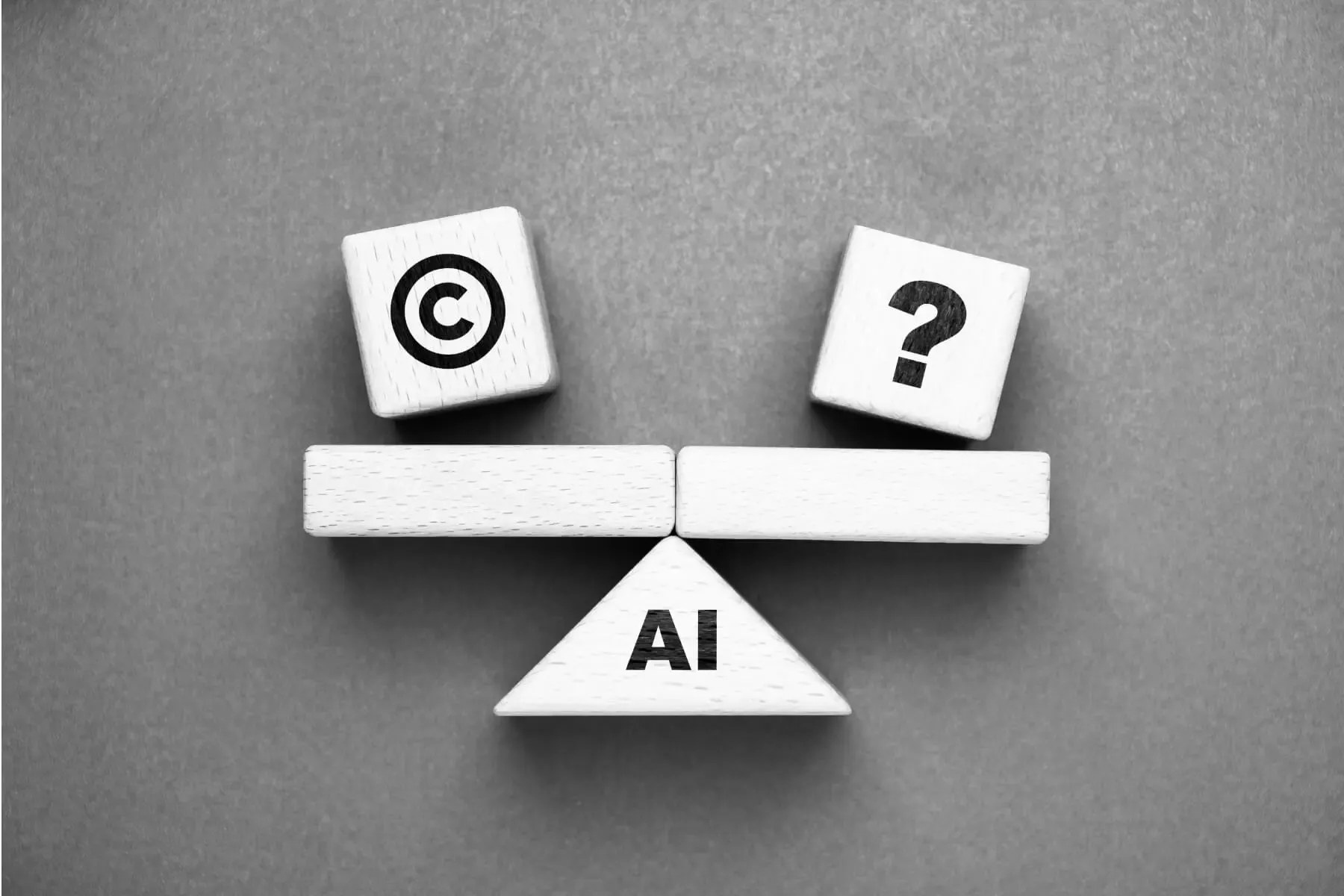
The United States Supreme Court rejected a case questioning whether artwork generated by artificial intelligence can be protected by copyright. The case involved Stephen Thaler, who attempted to register the copyright for an image created by his AI, called the 'Creativity Machine', and even named the AI as the creator. The Copyright Office denied the request, arguing that copyright only applies to works created by humans. Lower courts had already ruled the same way.
By refusing to take the case, the Supreme Court essentially upheld that decision. The key implication is that, legally, a machine cannot be considered an author, and therefore its work cannot be protected by copyright. This decision has significant consequences for businesses and organizations that use AI in their branding, as it puts the legal protection of their visual assets at risk.
By refusing to take the case, the Supreme Court essentially upheld that decision. The key implication is that, legally, a machine cannot be considered an author, and therefore its work cannot be protected by copyright. This decision has significant consequences for businesses and organizations that use AI in their branding, as it puts the legal protection of their visual assets at risk.
Generative AI tools, such as Grok, Claude, and ChatGPT, have become ubiquitous and can quickly create logos, icons, and social media graphics. Programs like Adobe are integrating AI features to expand images and generate complete designs. This accessibility has lowered the barriers to creating visual content, allowing small organizations and startups to generate graphics without the need for full design teams.
However, this ease of use also carries risks. Brands must be aware that using AI to generate visual content may not be protected by copyright, potentially resulting in brand confusion, market overlap, and loss of revenue. It is crucial that companies understand the legal implications of using AI in their branding strategies.
However, this ease of use also carries risks. Brands must be aware that using AI to generate visual content may not be protected by copyright, potentially resulting in brand confusion, market overlap, and loss of revenue. It is crucial that companies understand the legal implications of using AI in their branding strategies.
A logo, illustration, or visual identity is not just an aesthetic element; it is intellectual property that a brand owns and seeks to protect. If an image is primarily generated by a machine, it may not qualify for copyright protection. This means that companies could invest time, energy, and money in building a brand around something that legally does not belong to them.
To mitigate these risks, it is recommended that companies use AI for ideation and concept exploration, but that the final creation of logos and key visual elements be done by humans. In addition, it is essential to keep a detailed record of the creative process, including prompts, edits, and design decisions, to demonstrate human participation in the creation of the work. Brands should treat their visual identity as intellectual property and ensure that it is legally protected.
To mitigate these risks, it is recommended that companies use AI for ideation and concept exploration, but that the final creation of logos and key visual elements be done by humans. In addition, it is essential to keep a detailed record of the creative process, including prompts, edits, and design decisions, to demonstrate human participation in the creation of the work. Brands should treat their visual identity as intellectual property and ensure that it is legally protected.
AI is best understood as a tool that can accelerate initial work and explore ideas. However, to legally protect logos, visual identity, and proprietary illustrations, human creativity remains essential. The experience and vision of a professional designer are irreplaceable.
The future of design is not a choice between AI and humans, but knowing where technology helps and where it does not. It's about making deliberate choices to ensure that the brand's most important assets are protected, valuable, and truly its own. Companies must be strategic in their use of AI and ensure that their brand assets are protected and legally theirs.
The future of design is not a choice between AI and humans, but knowing where technology helps and where it does not. It's about making deliberate choices to ensure that the brand's most important assets are protected, valuable, and truly its own. Companies must be strategic in their use of AI and ensure that their brand assets are protected and legally theirs.
To navigate the new copyright hurdles, companies should adopt a number of strategies. First, use AI for ideation and not for the final product, employing technology to generate ideas, test directions, and explore concepts, but ensuring that the final logo and unique visual elements are created by a human designer.
Second, track creative work, saving prompts, edits, and design decisions, demonstrating how a human shaped the final piece. Finally, treat the brand as intellectual property and read the fine print of contracts, as the fact that a tool allows you to generate content does not mean that you have full ownership or can trademark the brand. Due diligence is key to protecting brand assets.
Second, track creative work, saving prompts, edits, and design decisions, demonstrating how a human shaped the final piece. Finally, treat the brand as intellectual property and read the fine print of contracts, as the fact that a tool allows you to generate content does not mean that you have full ownership or can trademark the brand. Due diligence is key to protecting brand assets.
Related Stories