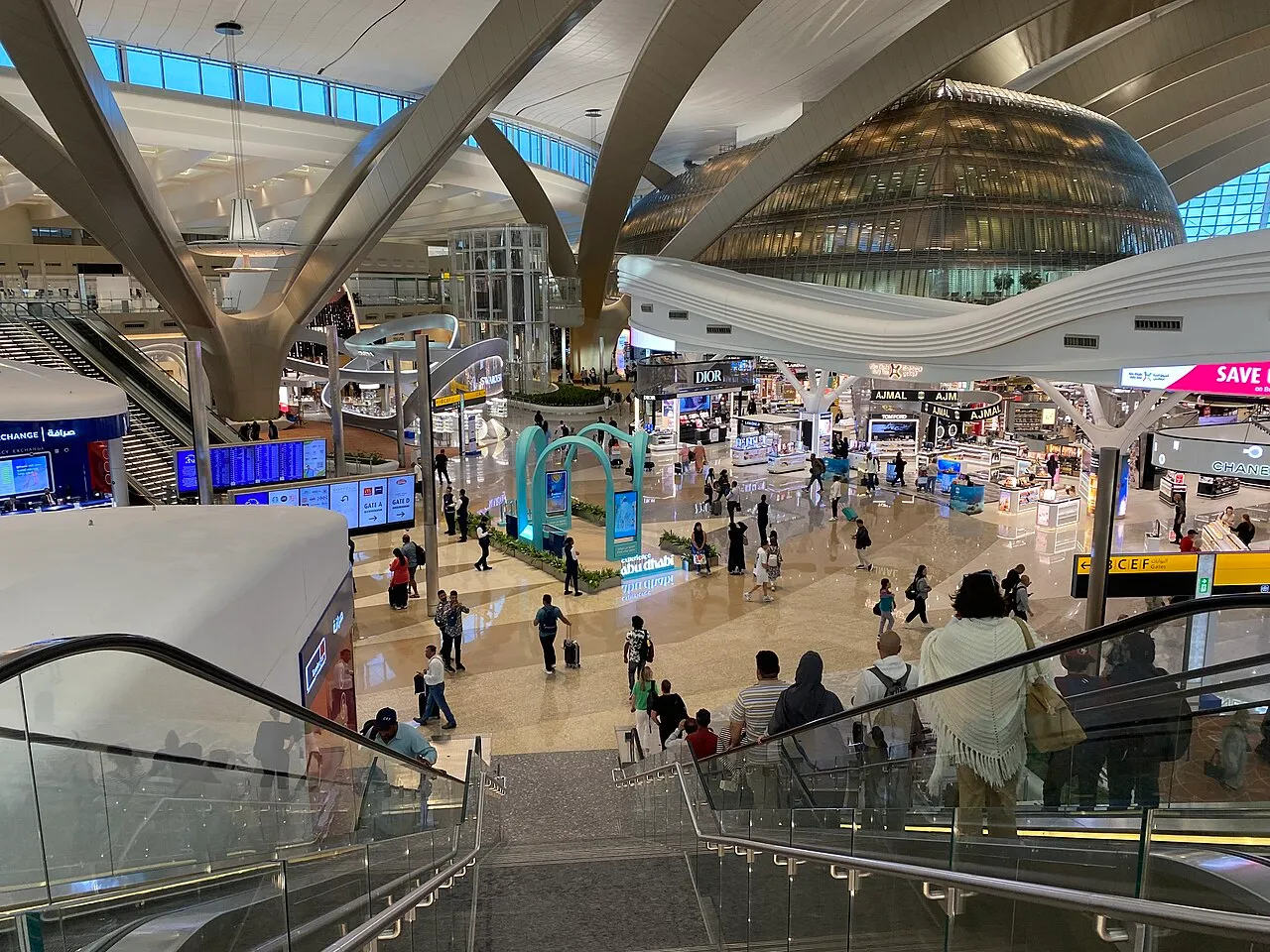
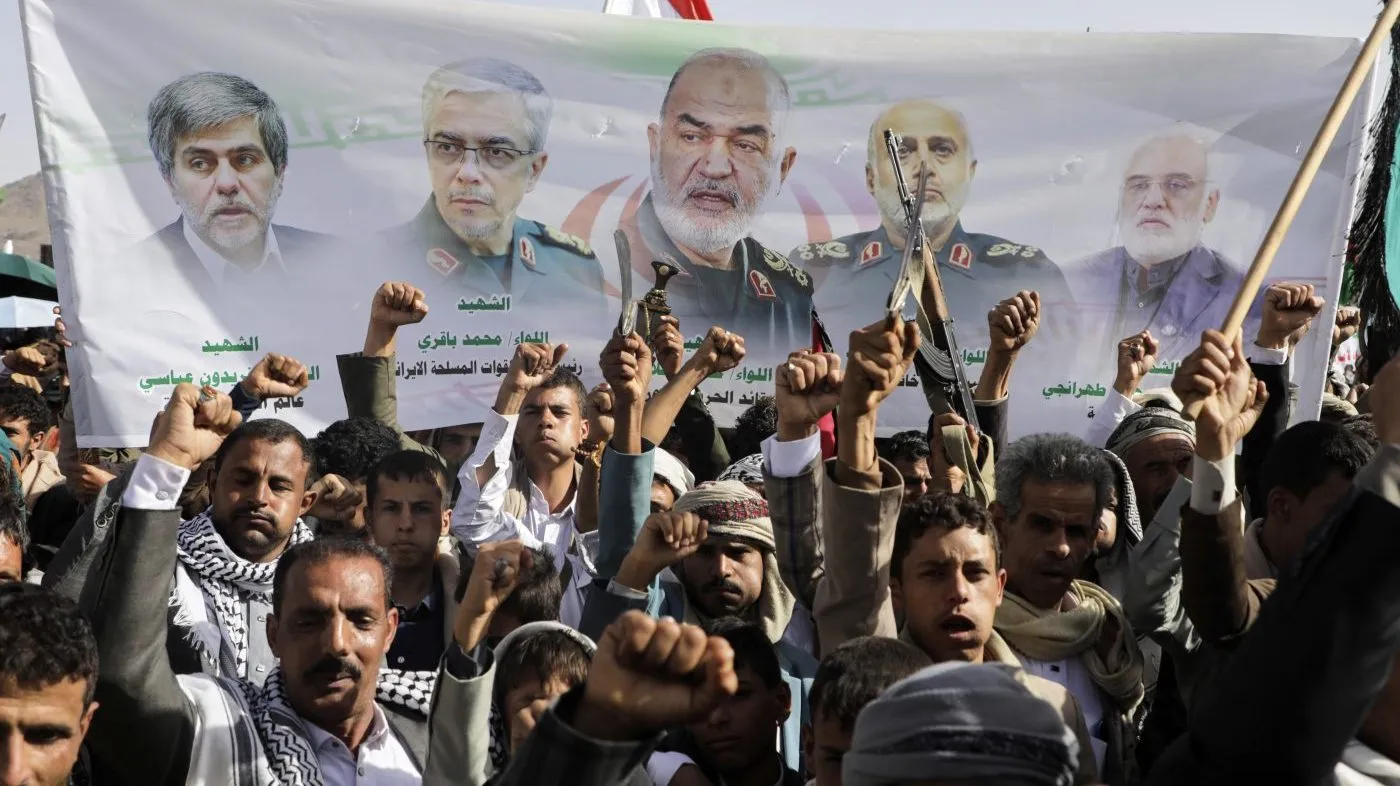
The month of March 2023 became a turning point for the travel industry, revealing its vulnerability to a series of simultaneous global events. From Dubai to Delhi and several US cities, it became evident how quickly the tourism system can collapse. The combination of war, unexpected shutdowns, and fuel crises generated an extremely volatile environment.
This situation forced companies in the sector to adapt quickly to the new circumstances, implementing risk mitigation measures and resilience strategies. Travel planning became more complex, and consumers experienced an increase in uncertainty and the need for greater flexibility in their itineraries.
The ongoing war, sudden border closures, and fluctuations in fuel prices were key factors that contributed to the travel sector's crisis. These events created significant disruptions in the operations of airlines, hotels, and other tourism services. Geopolitical and economic instability affected consumer confidence and reduced travel demand.
Airlines were forced to cancel flights, hotels experienced drops in occupancy, and travel prices soared. Tourism companies had to deal with staff shortages and logistical challenges. The crisis highlighted the interdependence of the travel industry and its sensitivity to global events.
Despite the challenges, the travel industry demonstrated a remarkable capacity for adaptation and resilience. Companies implemented strategies to manage risks and minimize the impact of crises. Technology played a crucial role in optimizing operations and communicating with customers.
An increase in demand for travel with greater flexibility and cancellation options was observed. Tourism companies focused on safety and transparency to regain consumer confidence. The March 2023 crisis served as a valuable lesson for the travel industry, highlighting the importance of scenario planning, diversification, and collaboration.
Editorial Note
This content has been processed by our team to ensure neutrality and journalistic clarity. Based on:Skift