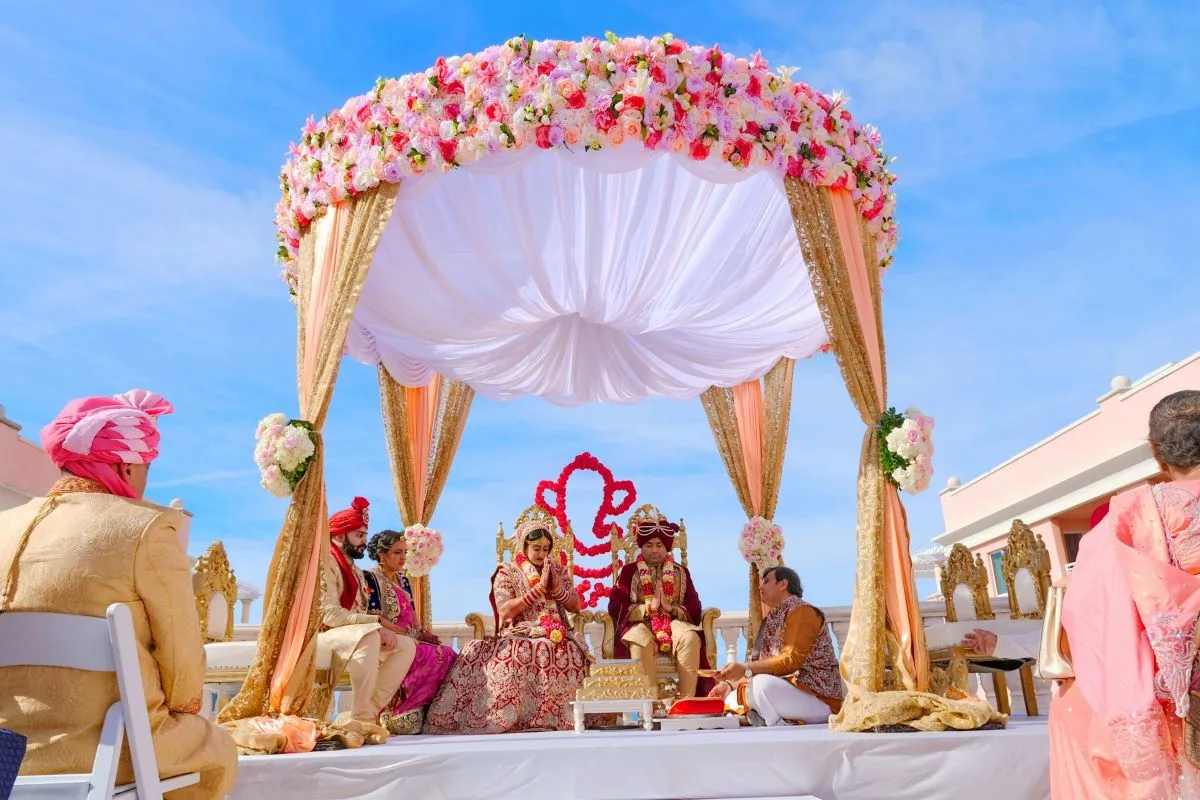
The Middle East, which once “ticked all the boxes” for many Indian couples seeking the ideal destination wedding, is now facing a significant shift. The ongoing conflict in the region is creating uncertainty and fear among families, leading to a reevaluation of wedding plans. This situation is negatively impacting the local tourism industry and wedding-related businesses that heavily relied on this lucrative market.
Wedding planners, hotels, and service providers in the Middle East are feeling the impact of decreased bookings and cancellations. The current situation has forced businesses to seek alternatives and adapt to the new circumstances. This trend is expected to continue as long as geopolitical tensions persist in the region.
The Iran War has exacerbated the situation, accelerating the trend of Indian weddings seeking alternative destinations. Countries with greater political stability and less risk of conflict, such as Thailand, Italy, and Turkey, are gaining popularity. These destinations offer not only security but also a wide range of wedding options, from luxurious resorts to exotic settings.
The Indian wedding industry, valued in the billions of dollars, is showing a great capacity for adaptation. Wedding organizers are working hard to meet the new demands, offering personalized packages and advice to ensure that celebrations are safe and memorable. This shift in the market represents both a challenge and an opportunity for emerging destinations and companies looking to capitalize on the demand for Indian weddings.
The Indian wedding industry, which represents a multi-billion dollar market, is proving to be resilient and adaptable in the face of geopolitical challenges. Wedding organizers, hotels, and service providers are implementing strategies to mitigate risks and ensure that celebrations continue smoothly.
One of the key strategies is the diversification of destinations. Wedding organizers are promoting alternative destinations that offer greater security and are equally attractive to Indian couples. In addition, stricter safety protocols are being developed, and more comprehensive travel insurance is being offered to provide peace of mind to clients. This proactive approach is enabling the industry to maintain its growth and adapt to the new realities of the market.
Thailand, Italy, and Turkey, among other destinations, are positioning themselves as the new preferred options for Indian weddings. These countries offer a combination of natural beauty, high-quality tourism infrastructure, and a perception of greater security, which attracts couples and their families.
The tourism industry in these countries is responding to the growing demand, offering personalized services, customized wedding packages, and a wide range of options to meet the needs of Indian couples. This trend is expected to continue as instability in the Middle East persists, consolidating the position of these destinations as leaders in the international wedding market.
The conflict in the region is having a significant impact on the luxury wedding industry, forcing a reconfiguration of the market and the search for new destinations. Geopolitical uncertainty is leading couples and their families to prioritize safety and stability when choosing the location for their celebrations.
This situation is driving a change in customer preferences and in the strategies of companies in the sector. Destinations that offer greater security and high-quality tourism infrastructure are gaining ground, while those located in conflict zones are losing appeal. This shift in the landscape of the luxury wedding industry represents a challenge and an opportunity for companies and destinations seeking to adapt to the new realities of the market.