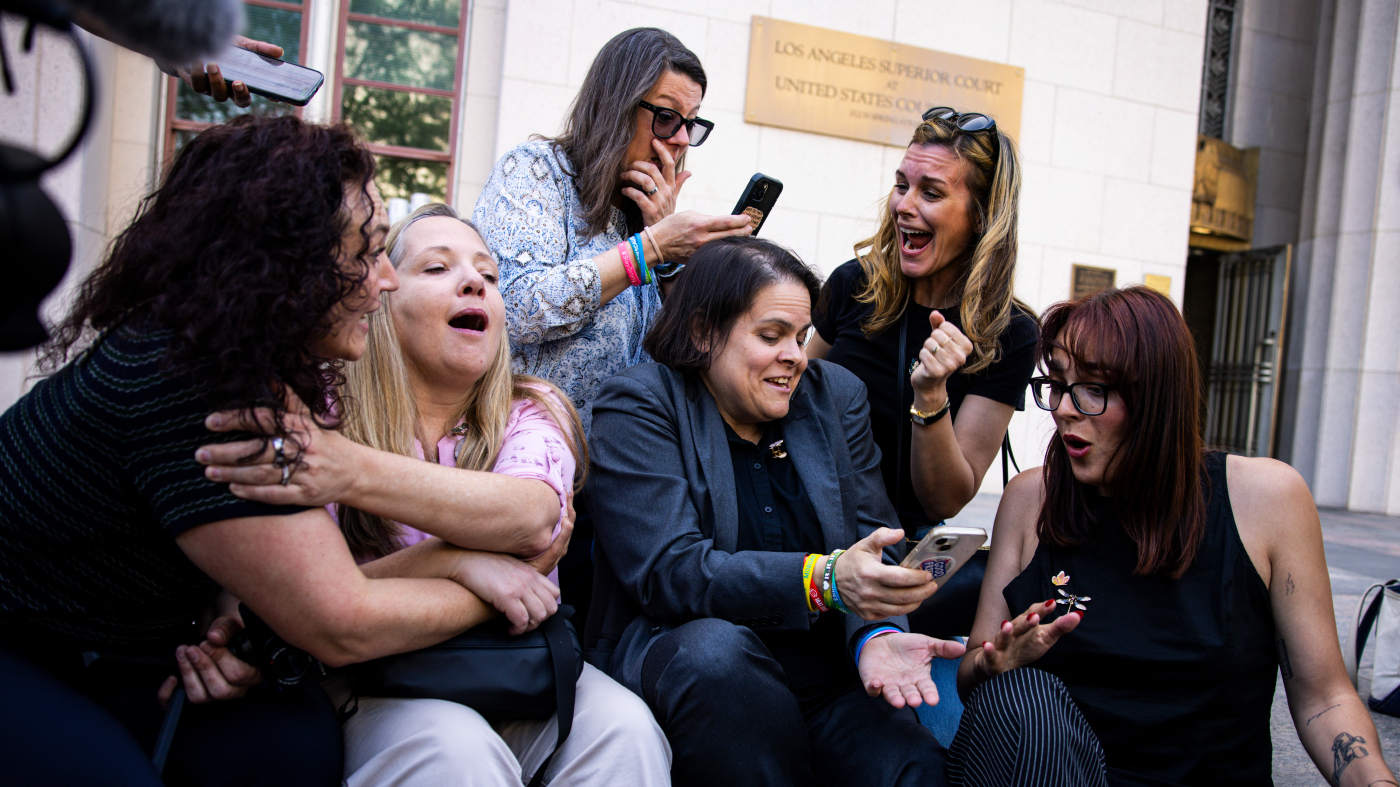
This week, back-to-back verdicts against Meta and Google's YouTube sent a warning shot to Big Tech, marking the first time juries found these social media platforms liable for their impact on children and teens online.
Legal and technology experts say the verdicts could offer new momentum for kids’ online safety and related litigation across the country. Allison Fitzpatrick, partner at Davis+Gilbert advertising and marketing law firm, said these verdicts should be a wake-up call to social media platforms, indicating that the status quo is no longer sufficient and that steps need to be taken to protect minors online, including social media platforms.
The jury verdicts in California and New Mexico come after years of efforts from youth safety groups and parents, who have lobbied on Capitol Hill to pass legislation holding technology companies accountable for the dangers they believe their platforms pose to children.
These verdicts do not require Meta or Google to immediately change their platforms' design or operations, but advocates hope they will push social media companies to rethink the addictive features that keep children on screens for hours.
Holly Leck, senior manager at the kids safety nonprofit Common Sense Media, said the focus is not on the content, but really about the way these platforms are using addictive designs to engage kids and teens for longer on the platform.
Tech firms have typically avoided liability due to Section 230 of the Communications Decency Act, which largely protects them from being held legally responsible for third-party or user content.
This 1996 provision was written ahead of the creation of most social media, and tech watchdog groups argue it should be updated to reflect the new online ecosystem.
The verdicts are some of the first to get past this shield, with experts predicting a “watershed moment” for similar claims.
Venture capitalist David Sacks announced he is stepping down from his role as the White House’s AI and cryptocurrency czar after having “used up” the 130-day limit.
Several Jeffrey Epstein survivors are suing the Department of Justice (DOJ) and Google over the “wrongful disclosure and re-publication” of their personal information in files tied to the federal probe into the convicted sex offender’s crimes. The class action lawsuit, filed Thursday in the Northern District of California on behalf of Jane Doe and other victims, alleges that the DOJ “outed approximately 100 survivors”.
The White House launched a new smartphone app Friday aimed at providing users with information and updates directly from the Trump administration.
A federal judge sided with Anthropic on Thursday, blocking its designation as a supply chain risk by the Pentagon, for now. U.S. District Judge Rita Lin also blocked President Trump’s order that the government cut all contracts with Anthropic, describing it as “classic” First Amendment retaliation. She paused her ruling from taking effect for a week, however, giving the parties time to react.
Editorial Note
This content has been processed by our team to ensure neutrality and journalistic clarity. Based on:The Hill