PrometuNews
© 2026 Prometu NewsPowered by Prometu, Inc.
Technology4 min...

From Concept to Cover: How We Turned AI into a Trusted Friend

Listen
Share

Reader's Digest explored artificial intelligence on its April/May 2026 cover, focusing on the human connection with technology.

OMNI
OMNI
#AI#technology#design#magazine
From Concept to Cover: How We Turned AI into a Trusted Friend

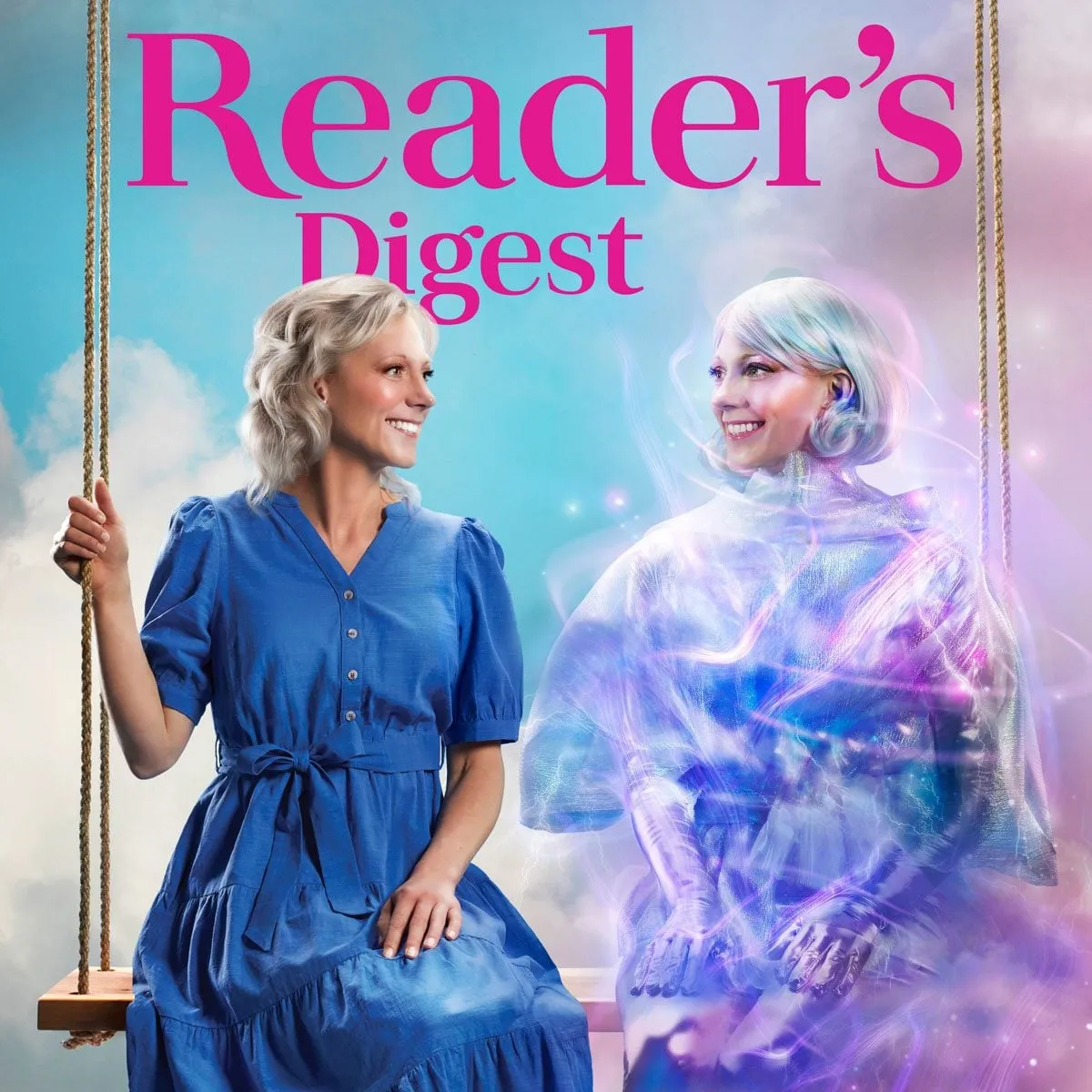
For the April/May 2026 cover of Reader's Digest, the team asked a fundamental question: How do we make artificial intelligence (AI) understandable on a more human level? Photographer Emiko Franzen stated that the goal was to approach the topic of AI in a friendly and approachable way, counteracting the robotic and cold image often associated with this technology. Instead of opting for a futuristic and distant aesthetic, the team focused on warmth, color, and a touch of whimsy to capture the viewer's attention.

The issue explores everything from everyday AI conveniences to bigger questions about its impact, but visually, the human connection was sought, which led to the central idea of the cover: a scene where the reader could feel part of it. The cover features two versions of Danielle Kasprzak, a culinary assistant, on a swing, creating a familiar and inviting image.

From Concept to Cover: How We Turned AI into a Trusted Friend - Image 1

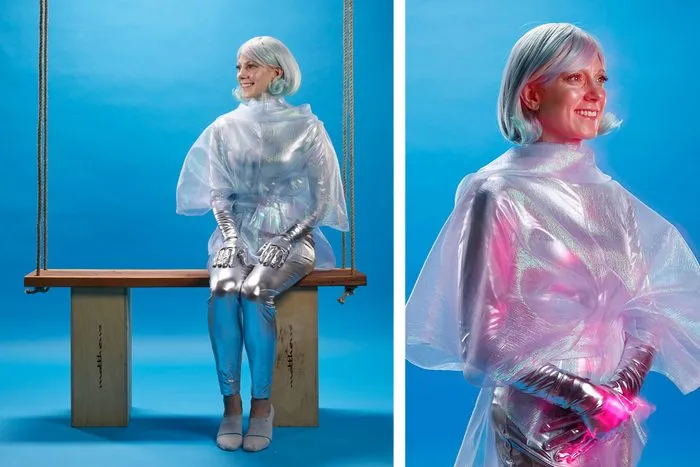
The creative process for the cover was meticulous and detailed, starting with the desired final image. Franzen explained that she analyzed the final image and broke down how to approach each shot, which involved thorough planning. This meant photographing Danielle Kasprzak twice: once as herself and another as her AI counterpart, ensuring that both versions could be seamlessly integrated into the same frame. The creation of 'AI Dee' was a manual and creative process, with styling done in real life. Franzen added glittery makeup, an iridescent wig, a silver jumpsuit, and a handmade tunic to achieve the desired effect.

Lighting was key to the visual narrative. 'AI Dee' received a harsher light and color effects, while the real Dee remained natural and earthy. The goal was for the model's smiles to be sincere and optimistic, something that, according to the team, was successfully achieved.

Jessie Sharon, senior art director at Reader's Digest, actively participated in the process, providing feedback on the composition and details. During the shoot, Sharon adjusted folds in the fabric and refined the overall composition. After the shoot, Franzen combined several images, merging the two Dees into a single moment. Sharon worked with the editor to place and style the cover text, ensuring that everything fit into the final design. The final edition required many adjustments to fit perfectly into the Reader's Digest format.

Even the AI effects, such as the swirling energy, were created manually. Franzen used an LED rope and long-exposure photography to create these effects, which were then integrated into the final image. AI played a supporting role, assisting in brainstorming and minor retouching, but the final image was entirely human-made. This balance between innovation and intention is the heart of the cover, showing AI as a tool that can boost human creativity. Sharon emphasized that AI is a 'helping hand', not a perfect solution.

The Reader's Digest cover seeks to represent AI as a collaboration, not a competition, between humans and technology. The cover captures a moment in which two versions of Danielle Kasprzak, one real and one inspired by AI, share a swing. This image symbolizes coexistence and teamwork, showing curiosity and collaboration as keys to the future. The cover invites reflection on how AI can complement and enhance the human experience, rather than replace it. The final message is clear: AI and humans can move forward together.
Editorial Note

This content has been synthesized and optimized to ensure clarity and neutrality. Based on: Readers Digest