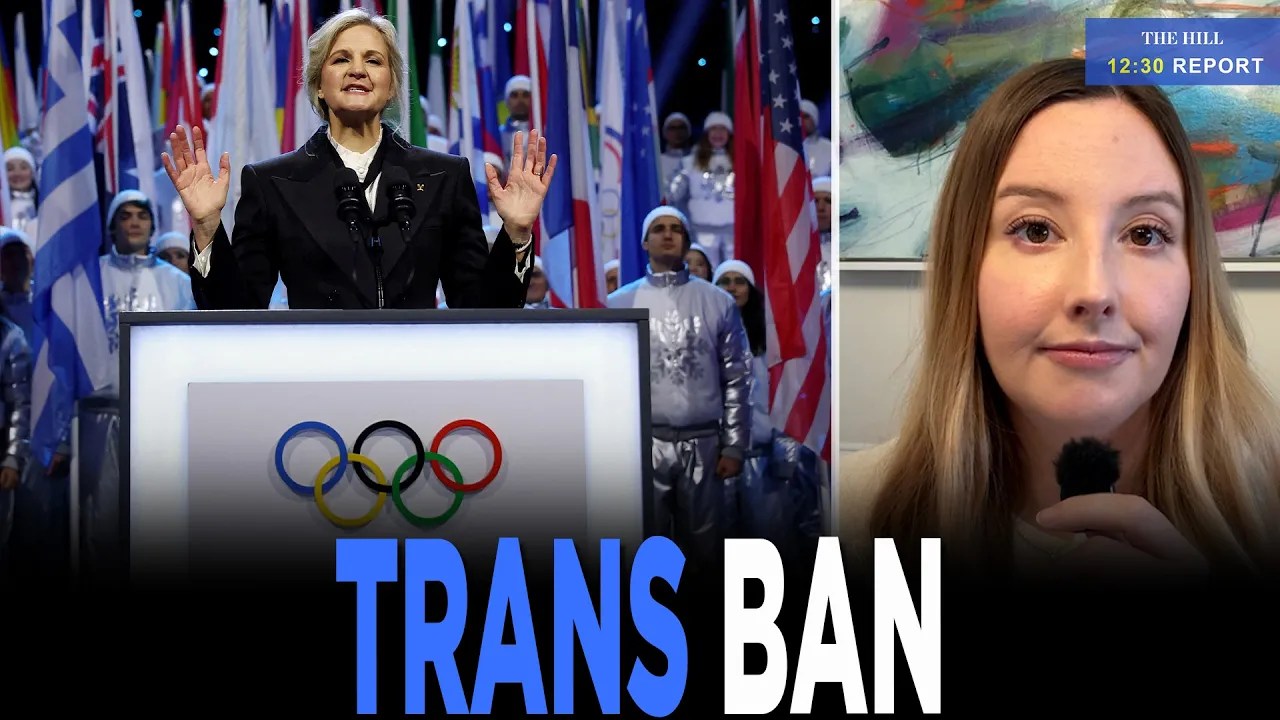
Olympic Dreams Dashed? IOC Bans Transgender Women from 2028 Games, Sparking Controversy
Listen
Share
The International Olympic Committee (IOC) has implemented a new policy barring transgender women athletes from women's events, starting with the 2028 Los Angeles Olympics.
The International Olympic Committee (IOC) has made a decision that has sparked controversy in the sports world: a ban on transgender women athletes in women's events at the 2028 Los Angeles Olympic Games. This new policy, announced on Thursday, establishes a significant change in the eligibility rules for participating in women's competitions.
The measure has been met with mixed reactions, as it raises questions about inclusion, equity, and fairness in sports. This decision could affect the participation of athletes who have dedicated years of training and preparation to compete on the Olympic stage.
The new IOC policy specifies that eligibility to compete in women's sports will be based on screening for the SRY gene. This gene, present on the Y chromosome, is crucial for the development of male characteristics. The committee's statement explains that genetic tests will be used to "detect the absence or presence of the SRY gene".
This measure implies that genetic screening tests will be performed on athletes to determine their eligibility, which has sparked debate about privacy and potential discrimination. Through this policy, the IOC seeks to establish a regulatory framework that balances inclusion with protecting the integrity of women's competition.
The IOC argues that the primary goal of this policy is to protect the fairness and integrity of women's competition. The organization seeks to strike a balance between the inclusion of transgender athletes and the need to ensure that the competition is fair for all participants.
This stance reflects the complexity of the debate about the participation of transgender athletes in sports. The aim is to find a framework that respects the rights of all athletes while ensuring that competitions are fair and competitive. The IOC's decision is a step in this process, but it is likely to continue to generate debate and discussion in the future.
The implementation of this new policy poses several challenges and controversies. One of the main ones is how the genetic tests will be carried out and how the privacy of the athletes will be protected.
In addition, the definition of "woman" in the sports context remains a subject of debate. The new IOC policy is an attempt to address these complexities, but it is also likely to face criticism and legal challenges. The sports world will have to adapt to these changes and seek solutions that are fair and respectful to all athletes.