#United States#Iran#Strait of Hormuz#Military#Politics
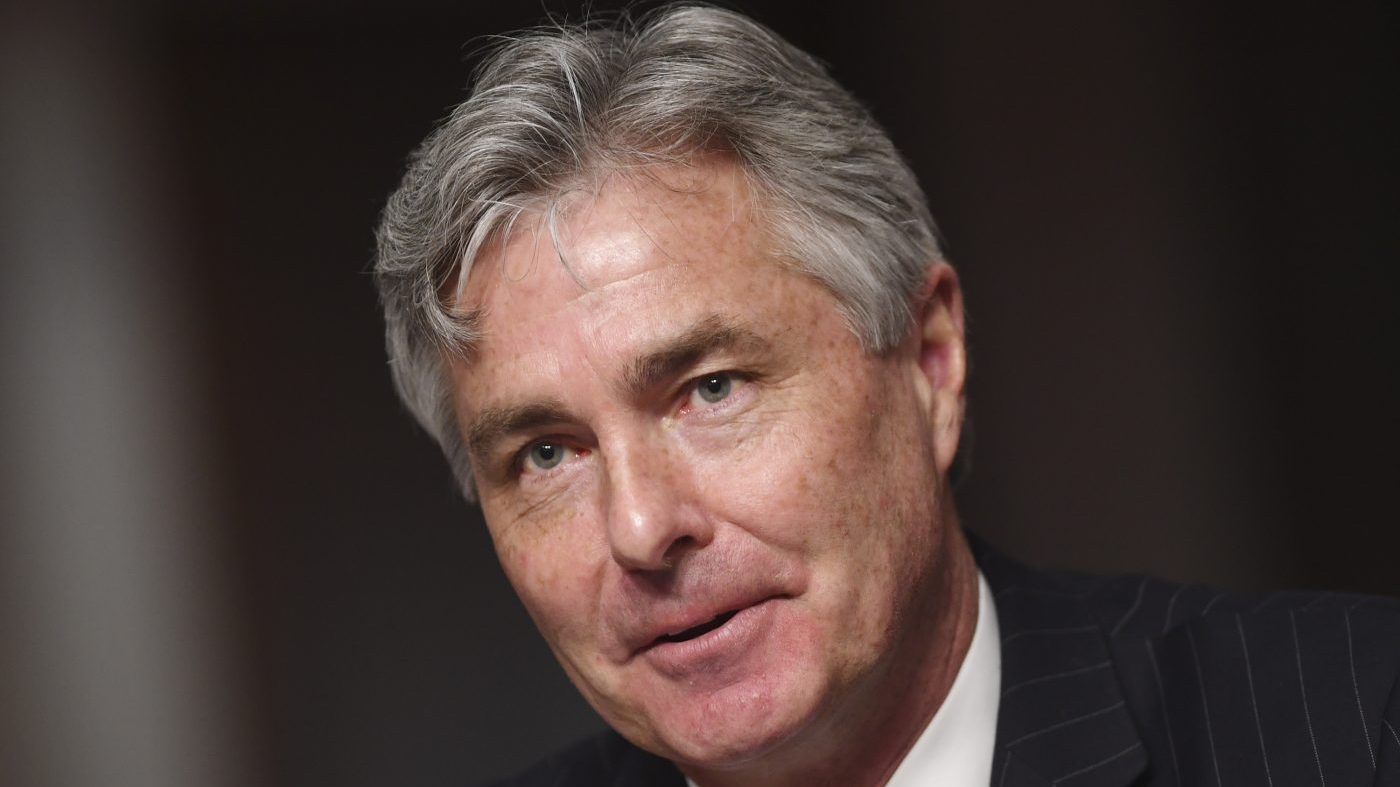
Former U.S. Navy Secretary Kenneth Braithwaite stated that there is no doubt the U.S. Navy could control the Strait of Hormuz. This strait is a fundamental waterway for the transport of oil. Braithwaite, also a former U.S. ambassador to Norway, made these statements in an interview with CNN's Anderson Cooper. The former secretary emphasized that the military capability of the United States exists, but the final decision depends on political intent and national will.
The Strait of Hormuz is crucial for the world's oil supply, moving 20% of global oil. Its control and security are of utmost importance for global economic stability.
The Strait of Hormuz has remained blocked since the United States and Israel launched joint strikes against Iran late last month. This closure has led to a surge in gas prices, which has increased pressure on the United States to reach an agreement with the Islamic Republic and reopen the strait. The current situation highlights the interdependence of global trade and the importance of strategic maritime routes.
The tension in the region and the closure of the strait are directly affecting energy markets and the global economy.
Tehran has denied claims that the United States and the Iranian regime are in negotiations to end the conflict, despite both countries issuing independent demands in recent days about a possible ceasefire agreement. Trump declared that Iran gave the United States a «gift» by allowing 10 oil tankers to pass through the Strait of Hormuz, indicating that the regime may be relaxing restrictions. Iranian officials also said they would allow «non-hostile vessels» to use the channel.
These statements and actions suggest a possible change in regional dynamics, although official negotiations are still denied.
Braitwaite responded to a question about whether Iran will continue to control the strait if a ceasefire is reached. The former secretary stated that, in his opinion, the only way for the situation to be resolved favorably for the United States is by removing the theocracy in Tehran. This statement reflects a firm stance on the need for political change in Iran to ensure long-term stability in the region.
Braitwaite's perspective highlights the complexity of the geopolitical situation and the importance of diplomacy and international relations.
Former Defense Secretary Jim Mattis said that if Trump were to end the war now, he would be ceding control of the strait to Iran. Mattis predicted that, in such a scenario, Iran would impose a tax on every ship that passed through the strait. Mattis highlighted the difficult situation of the United States and the scarcity of clear options.
Mattis' statement underscores the strategic and economic challenges involved in the situation in the Strait of Hormuz.
The president issued an ultimatum to the Iranian regime: open the strait or the United States will attack its energy infrastructure. Since then, he has backed down on the threat, extending a pause on potential attacks until April amid negotiations. This action demonstrates a strategy of diplomacy and containment, seeking a peaceful solution through negotiations rather than direct military confrontation.
The current situation reflects the complexity of international relations and the importance of diplomacy in resolving conflicts.