
Security4 min readMar 26, 2026

An American MI5? Robert Mueller's Silent Legacy That Shaped U.S. Security

Listen
Share

Robert Mueller, former FBI director, left a lasting legacy by preventing the creation of a national security agency similar to Britain's MI5, preserving the fusion of intelligence and law enforcement in the United States.

OMNI
OMNI
#Robert Mueller#FBI#MI5#National Security#Intelligence#9/11
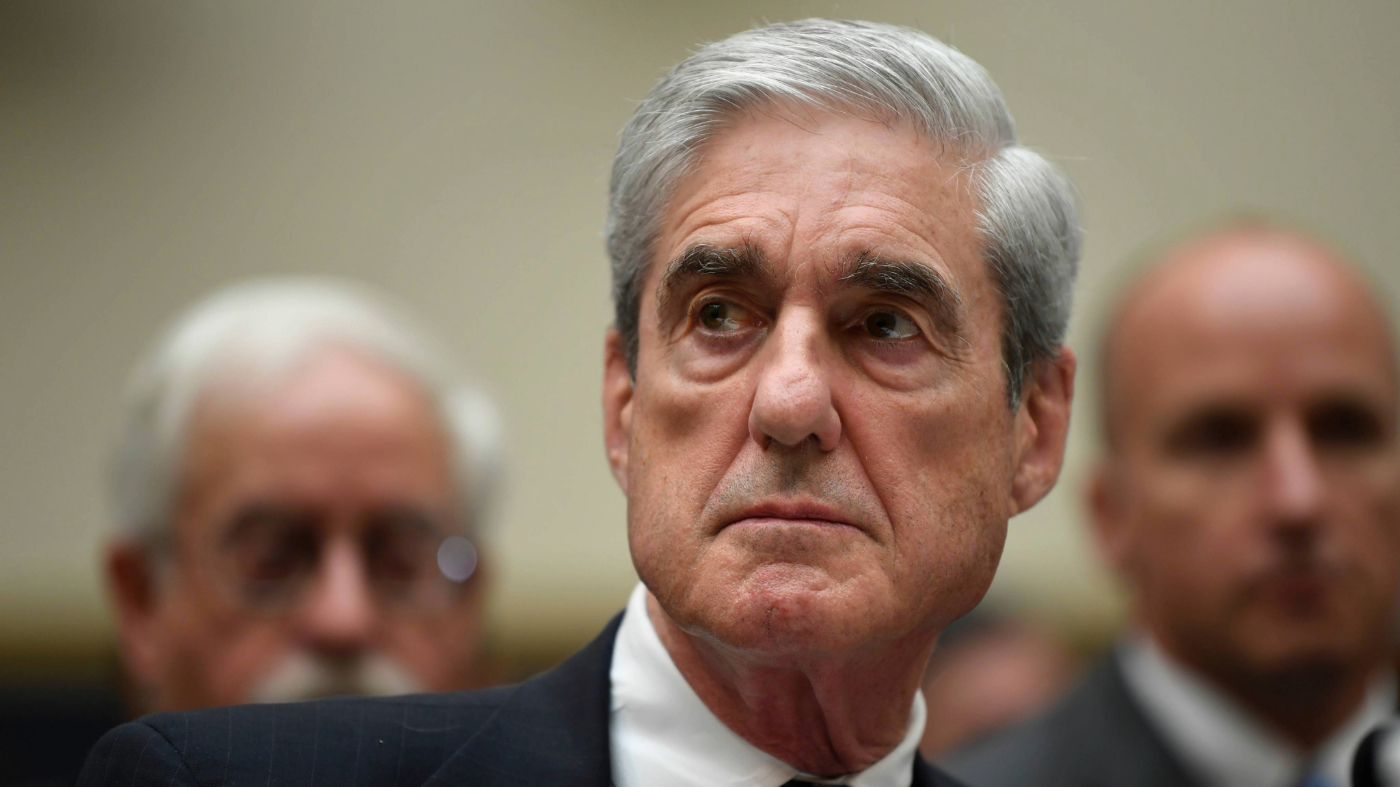
In the aftermath of the September 11th attacks, the shocked U.S. government sought to ensure such attacks never happened again. Among the proposed measures was the creation of a national security agency similar to the UK's MI5. This agency, without arrest or subpoena powers, would have taken over the FBI's role in counterintelligence and counterterrorism. However, Robert Mueller, who recently passed away, was the key figure who prevented this proposal from materializing.

The proposal was based on the UK model, where MI5 focuses on intelligence and protection against threats, while agencies like New Scotland Yard handle criminal investigations. Following the intelligence failures prior to 9/11, many believed that an American version of MI5 could have prevented the attacks. This idea was not new; it had already been debated after the intelligence failures at Pearl Harbor.
The plan to create a new intelligence agency was not entirely new, but internal opposition was fierce. J. Edgar Hoover, then director of the FBI, feared that the new agency would diminish his power and domain. Hoover leaked the plan, which generated fear of a kind of 'American Gestapo.' As a result, the CIA, created in 1947, did not receive a domestic intelligence role. The FBI's domain in security remained intact until the 9/11 attacks.

Mueller, like his predecessor, opposed this new proposal, arguing in testimonies, speeches, and op-eds that an intelligence agency separate from law enforcement would be a nightmare for civil liberties. He highlighted how splitting law enforcement and intelligence functions would leave both agencies fighting terrorism with one hand tied behind their backs.
To counter the terrorist threat, Mueller implemented significant changes within the FBI. With the elimination of 'the wall' thanks to the Patriot Act, the criminal investigation and intelligence components of the FBI were able to cooperate. Joint Terrorism Task Forces were created and improved in each FBI field office. At FBI headquarters, an intelligence directorate integrated intelligence into all bureau programs.

Emphasis was placed on the recruitment of human sources, a constant necessity for FBI agents, with the creation of specialized human intelligence squads. Analysts, generally assigned to national security squads, were also assigned to criminal matters, gaining greater responsibility and power to direct intelligence gathering.
The apparent lack of major terrorist attacks seemed to validate Mueller's leadership, which contributed to the decline in calls for an American MI5. However, not everyone agreed with the approach. FBI veterans were divided in their opinions. Some believed that Mueller had ensured the agency's survival after 9/11 by adapting to the current environment.

Others lamented the disappearance of the 'old FBI.' Agents with badges and guns did not see themselves as 'intelligence collectors' and thought criminal investigations suffered from neglect. Inefficient processes, such as forcing agents to re-upload their approved reports to a new analytical system, increased the administrative burden. In addition, the focus on domestic intelligence gathering led to errors, such as identifying Catholics attending Latin masses and parents expressing concerns at school board meetings as potential terrorist threats.
Robert Mueller's legacy is complex and multifaceted, but his most enduring impact may lie in what he prevented. At a time when fear and urgency made sweeping structural change seem inevitable, Mueller held firm against the creation of an American MI5. In doing so, he preserved a distinctly American approach to security, which fuses intelligence with law enforcement authority under a single institution.

The question of whether this model is the right one will always be a matter of debate. However, the fact that it still defines the national security framework is due to his leadership at a crucial moment. Intelligence agencies such as MI5, Israel's Shin Bet, and France's General Directorate for Internal Security have failed to prevent terrorist attacks, facing scrutiny over civil liberties and human rights. These countries operate under legal, political, and cultural contexts that most Americans of any political persuasion would find uncomfortable.