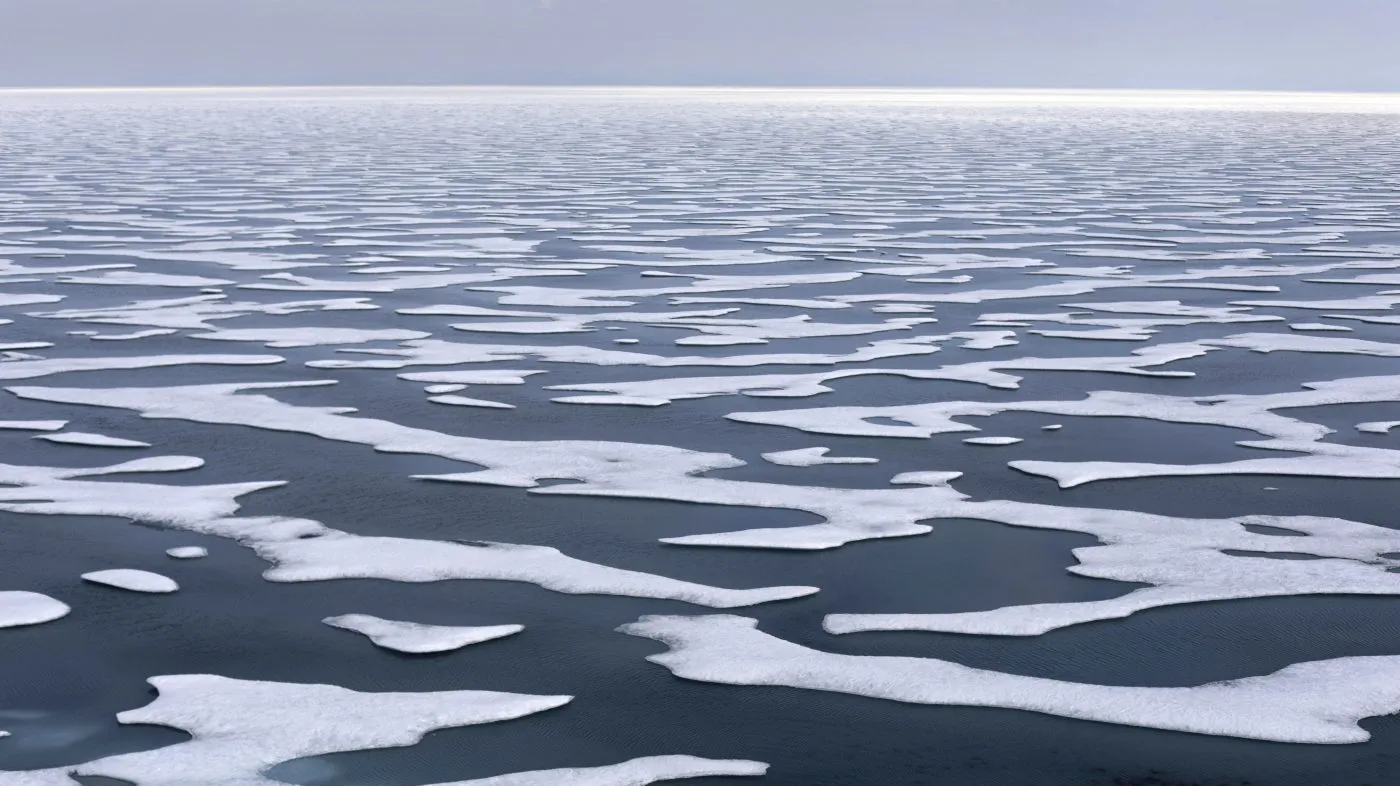
Scientists at the NSIDC, based at the University of Colorado Boulder, indicated that the North Pole's sea ice reached its lowest level for the winter season. Weather conditions could change the annual maximum ice extent, but the trend is concerning. Walt Meier, senior research scientist at the NSIDC, stated that this record low gives a "head start to the spring and summer melt season".
Meier also noted that while one or two record low years don't necessarily mean much by themselves, in the context of the significant downward trend observed since 1979, it reinforces the dramatic change in Arctic sea ice throughout all seasons. The loss of sea ice has direct consequences on global temperature regulation and wildlife, such as polar bears and seals.
The sea's absorption of solar heat will accelerate global warming, as reported by various media outlets. Jennifer Francis, a senior scientist at the Woodwell Climate Research Center, noted that the loss of sea ice is "yet another symptom indicating that the Earth's climate is in big trouble". Francis added that the gases released from burning fossil fuels trapped in the atmosphere are "warming the oceans, heating the air, melting the ice, and worsening weather extremes all around the world".
The loss of sea ice also affects wildlife, such as polar bears and seals, which depend on sea ice for their survival. Sea ice acts as a regulator of global temperature, reflecting solar energy back into space.
The new reports come as temperatures broke March heat records across Mexico, Australia, Northern Africa, and parts of northern Europe. The National Weather Service has tracked record-breaking temperatures for March in cities across the U.S., with the Southwest, Midwest, and California seeing temperatures break past 90 and 100 degrees, resulting in the warmest March on record.
Climatologist and weather historian Maximiliano Herrera listed 17 states that saw record temperatures this month in a post on X, with seven seeing temperatures over 100 degrees. In a separate post, he wrote that the record temperatures were "extraordinary" and that they make up the "most extreme event in North American history" not seen in centuries.
Meier told The Associated Press that the low sea ice level is "a climate change global warming signal". The combination of declining sea ice and record temperatures worldwide underscores the urgency of addressing climate change. The scientific community agrees that the burning of fossil fuels is the main cause of global warming and that urgent action is needed to reduce greenhouse gas emissions.
The current situation represents a significant challenge for humanity, but also an opportunity to drive innovation and the transition to a more sustainable future. The adoption of renewable energies, improved energy efficiency, and the implementation of effective climate policies are crucial to mitigate the effects of climate change.
Editorial Note
This content has been processed by our team to ensure neutrality and journalistic clarity. Based on:The Hill