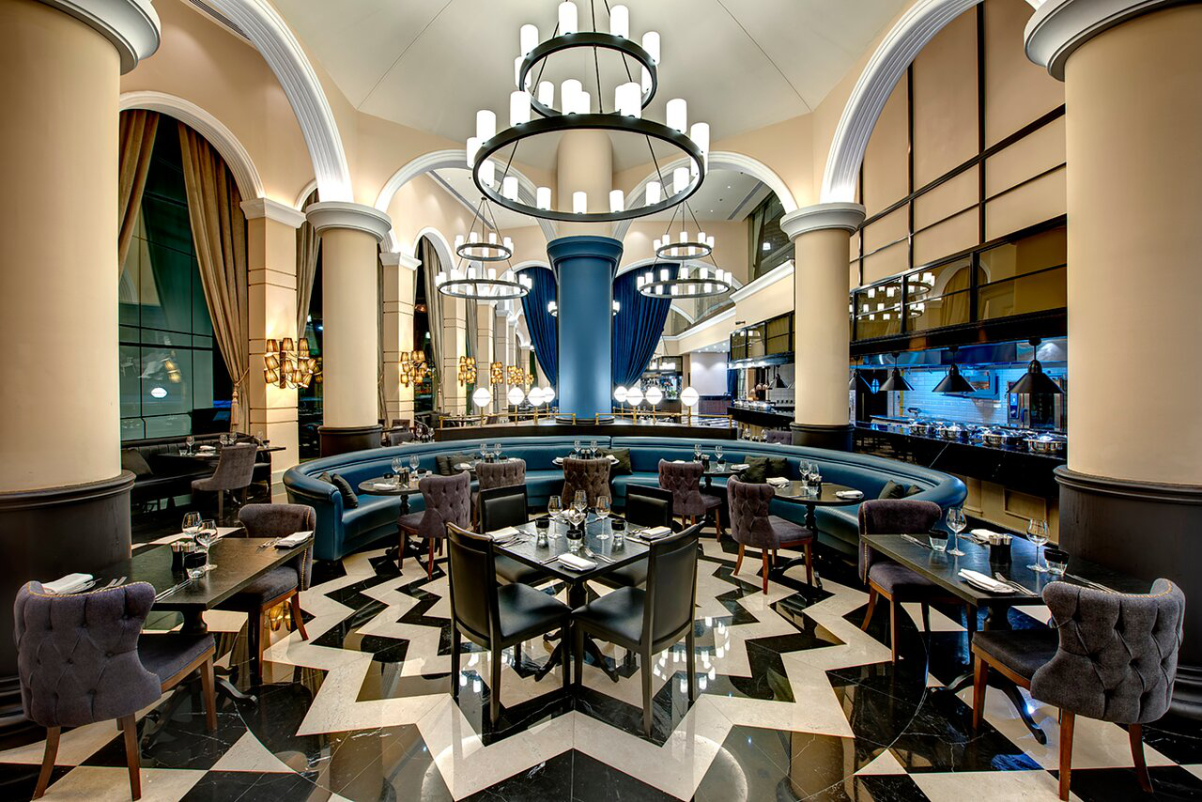
The growing trend of hotels focused on gastronomy is transforming the hospitality industry. These establishments, which prioritize the culinary experience as a main attraction, seek to differentiate themselves in a competitive market. However, this strategy entails significant challenges, especially in areas with a vibrant local gastronomic scene. The key to success lies in careful planning and differentiation to avoid saturation and direct competition with established local restaurants.
The proliferation of hotels that integrate high-quality restaurants and unique culinary experiences is notable. This approach seeks to attract an audience that values gastronomy as an integral part of their travel experience. Hotel chains, such as Minor Hotels, are betting heavily on this model, developing thematic brands that revolve around food. This strategy involves not only the creation of attractive gastronomic spaces, but also the management of competition with local businesses.
The data is clear: food-led hotels only outperform when they are not competing with a vibrant local dining scene. This implies that location is a critical factor for the success of these establishments. Hotel chains must carefully analyze the culinary landscape of the area before investing in a gastronomic hotel. Differentiation also plays a crucial role. Hotels must offer unique and attractive culinary experiences that justify the choice of guests, instead of opting for local options.
Competition with local restaurants is intense, so hotels must offer something more than just a simple meal. This could include renowned chefs, high-quality ingredients, themed environments, or interactive experiences. The ability to innovate and adapt to culinary trends is essential to remain competitive in this constantly evolving market. Strategic planning and understanding the local market are fundamental to success.
Minor Hotels, along with other hotel groups, faces the challenge of strategically positioning its new thematic brands. Expansion in the gastronomic hospitality market requires careful consideration of location, competition, and differentiation. Planning involves analyzing the local market, identifying opportunities, and developing culinary concepts that attract guests. The goal is to create an experience that complements, rather than competes directly with, the local gastronomic offer.
Investment in gastronomic hotels represents a significant commitment, so strategic planning is crucial to mitigate risks and maximize opportunities for success. Hotel groups must carefully evaluate the potential of each location, considering factors such as demand, competition, and customer profile. Success in this market will depend on the ability to offer unique and attractive culinary experiences that justify the choice of guests.
In summary, the success of gastronomic hotels depends on strategic planning, location, and differentiation. Competition with the local gastronomic scene is a significant challenge, so hotels must offer something unique and attractive. Hotel chains, such as Minor Hotels, must carefully analyze the market, identify opportunities, and develop culinary concepts that attract guests.
The ability to adapt to culinary trends and offer memorable experiences is essential for long-term success. Investment in gastronomic hotels represents a significant commitment, so strategic planning and careful execution are fundamental to ensure return on investment and customer satisfaction. The future of gastronomic hospitality is based on innovation and constant adaptation to consumer preferences.