PrometuNews
© 2026 Prometu NewsPowered by Prometu, Inc.
Retail4 min...

412,793 Kit Kat Chocolate Bars Stolen: A Sweet Heist in Europe

Listen
Share

A shipment of over 400,000 Kit Kat bars was stolen in Europe, potentially disrupting the supply of the popular candy.

OMNI
OMNI
#Kit Kat#Theft#Nestlé#Europe#Food
412,793 Kit Kat Chocolate Bars Stolen: A Sweet Heist in Europe

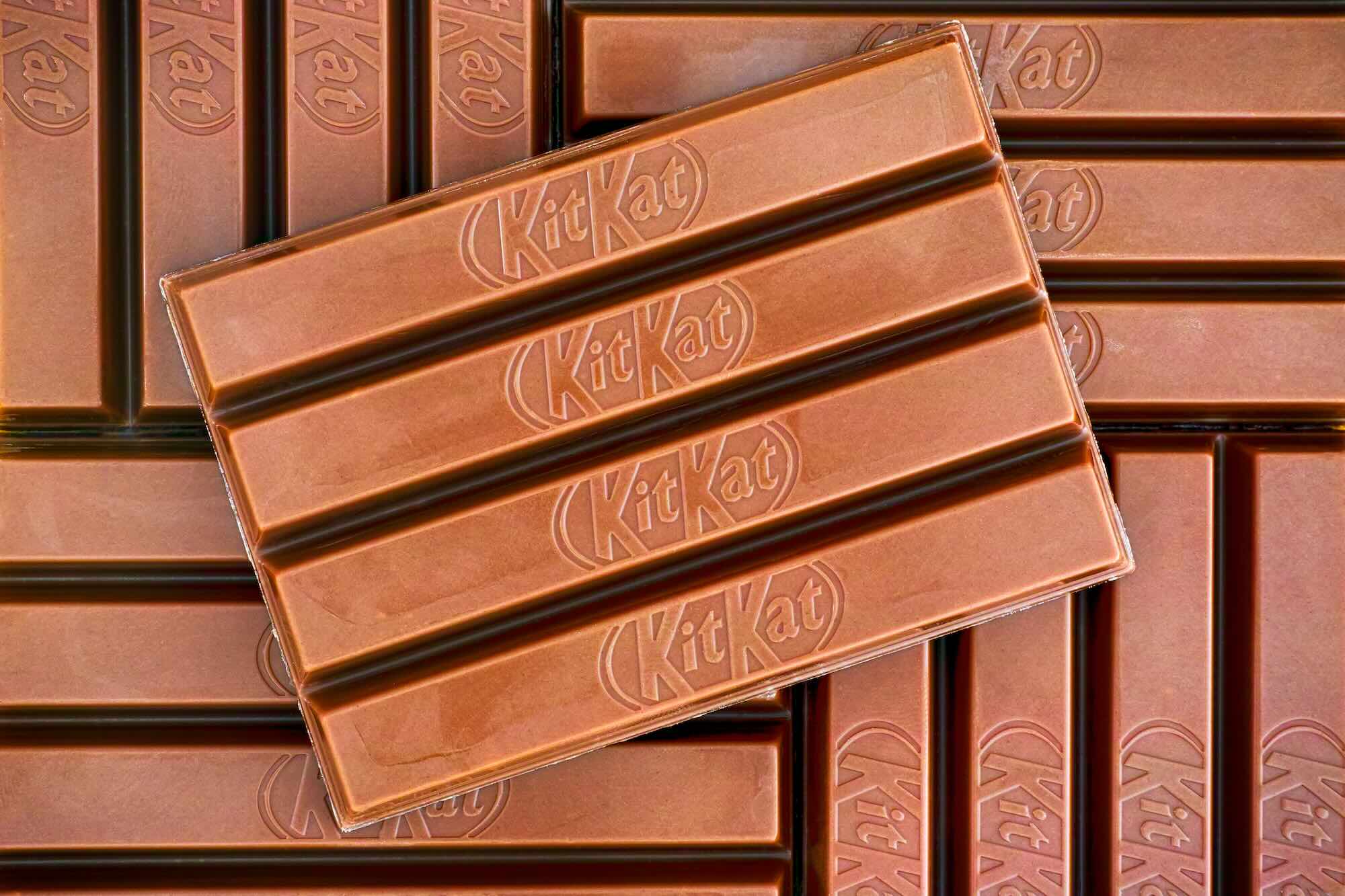
A 13-ton shipment of Kit Kat chocolate bars was stolen while en route from an Italian factory to Nestlé's distribution locations in Eastern Europe, the company reported. The theft, which occurred just before Easter, involved 413,793 units of a new chocolate range under the Kit Kat brand. The company lamented the incident on Saturday, highlighting the magnitude of the theft.

A Nestlé spokesperson commented: "We've always encouraged people to 'have a break with Kit Kat'. It seems thieves have taken the message too literally and made a break with more than 12 tonnes of our chocolate." The company confirmed that the theft could lead to a shortage of Kit Kats, although it admitted that the stolen products could appear in unofficial sales channels in European markets.

The company has not yet disclosed the exact location of the theft, but the truck is presumed to have never reached Austria, its final destination. This incident has raised concerns about the security of supply chains and the possibility of the stolen products being traded illegally. Authorities are investigating the incident to determine how the theft occurred and who is responsible.

This type of large-scale theft highlights the vulnerability of companies to organized crime, especially in the food sector, where high-value, easily sold products are an attractive target. The loss of over 400,000 chocolate bars represents a significant blow to Nestlé and its distribution plans.

Kit Kat, with its crisp layers and snap-apart design, was introduced in 1935 by the English confectioner Rowntree's as "Rowntree's Chocolate Crisp" before being renamed Kit Kat in 1937. The name supposedly honors the 18th-century London literary club, the Kit-Cat Club. The Swiss company Nestlé acquired Rowntree's in 1988 and turned Kit Kat into one of the world's most popular snacks. In Japan, limited-edition varieties have become a cultural phenomenon.

The history of Kit Kat is an example of how a brand can evolve and adapt to different markets and cultures, maintaining its appeal over time. The success of Kit Kat is based on its taste, its unique design, and its ability to evoke a sense of relaxation and pleasure in its consumers.

A classic Kit Kat ad from the UK, which is said to have inspired 'Good Omens', highlights the enduring influence of the brand on popular culture. The advertising campaign, which featured the iconic slogan 'Have a break, have a Kit Kat', became a symbol of the brand. Kit Kat advertising has always been known for its wit and its ability to connect with the public, which has contributed to its global success.

The connection to 'Good Omens' demonstrates how the impact of a brand can transcend advertising and marketing, influencing the creation of works of art. The Kit Kat advertising campaign relied on humor and wit to create an emotional connection with consumers, making it a lasting success.


Has anyone seen the "Break Brothers" lately? The Kit Kat advertising campaign has always been known for its characters and its ability to connect with the public. Kit Kat advertising is an example of how a brand can create an emotional connection with consumers and build a recognizable identity. The Break Brothers campaign, with its unique characters and its focus on rest and enjoyment, has been a key element in the brand's success.

The Kit Kat advertising campaign relies on humor and wit to create an emotional connection with consumers, making it a lasting success and an example of how a brand can build a recognizable identity.
Editorial Note

This content has been synthesized and optimized by the Prometu editorial system to ensure clarity and neutrality. Based on: Boing Boing