PrometuNews
© 2026 Prometu NewsPowered by Prometu, Inc.

Montenegro Psychiatric Hospital: Overcrowding and Inhuman Conditions

Listen
Share

Dobrota Psychiatric Hospital in Montenegro faces severe overcrowding and deplorable conditions, according to recent reports.

OMNI
OMNI
#mental health#Montenegro#hospitals#overcrowding#human rights
Montenegro Psychiatric Hospital: Overcrowding and Inhuman Conditions

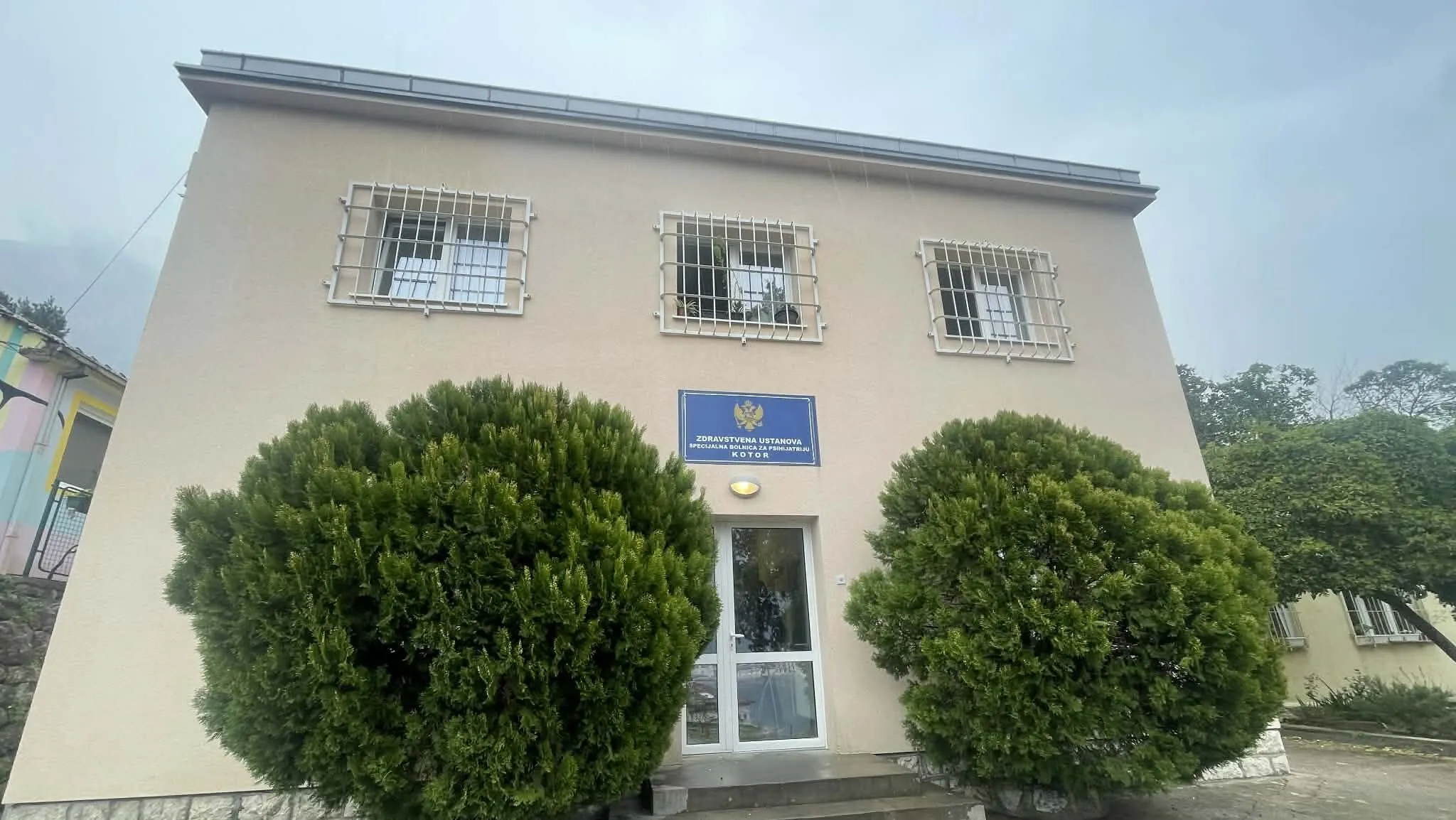
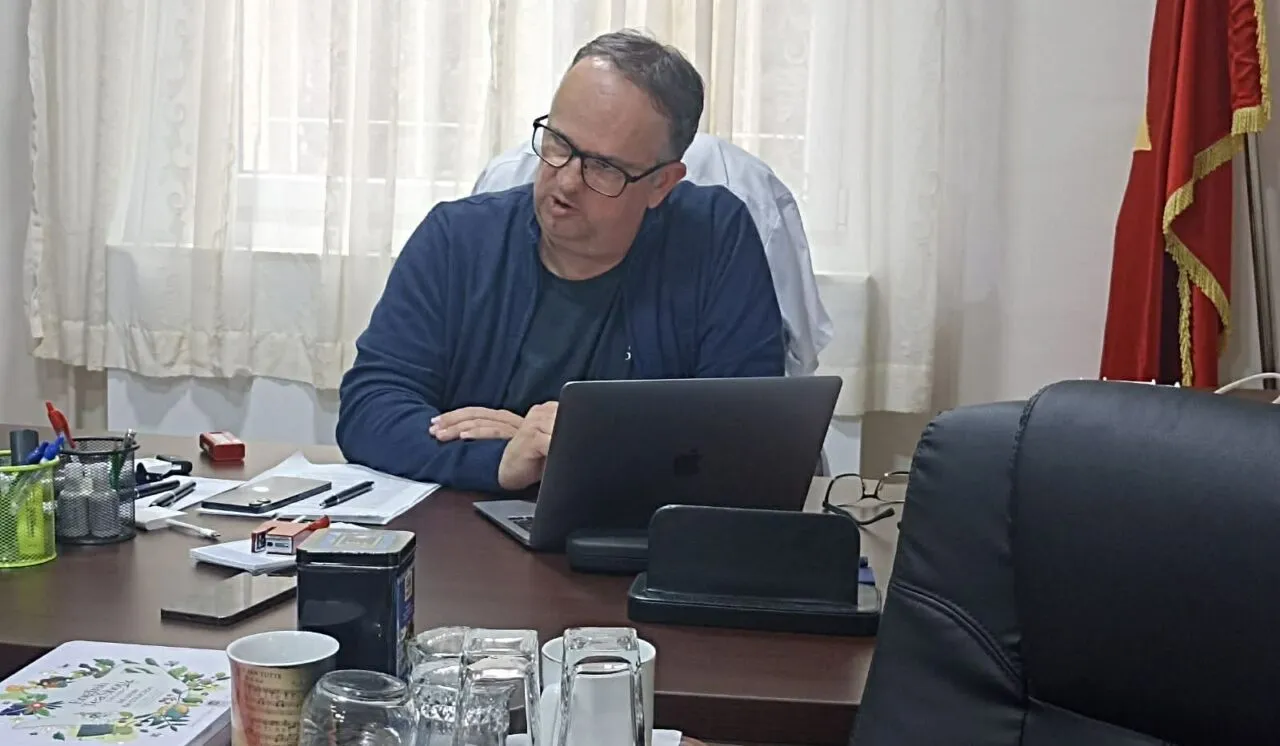
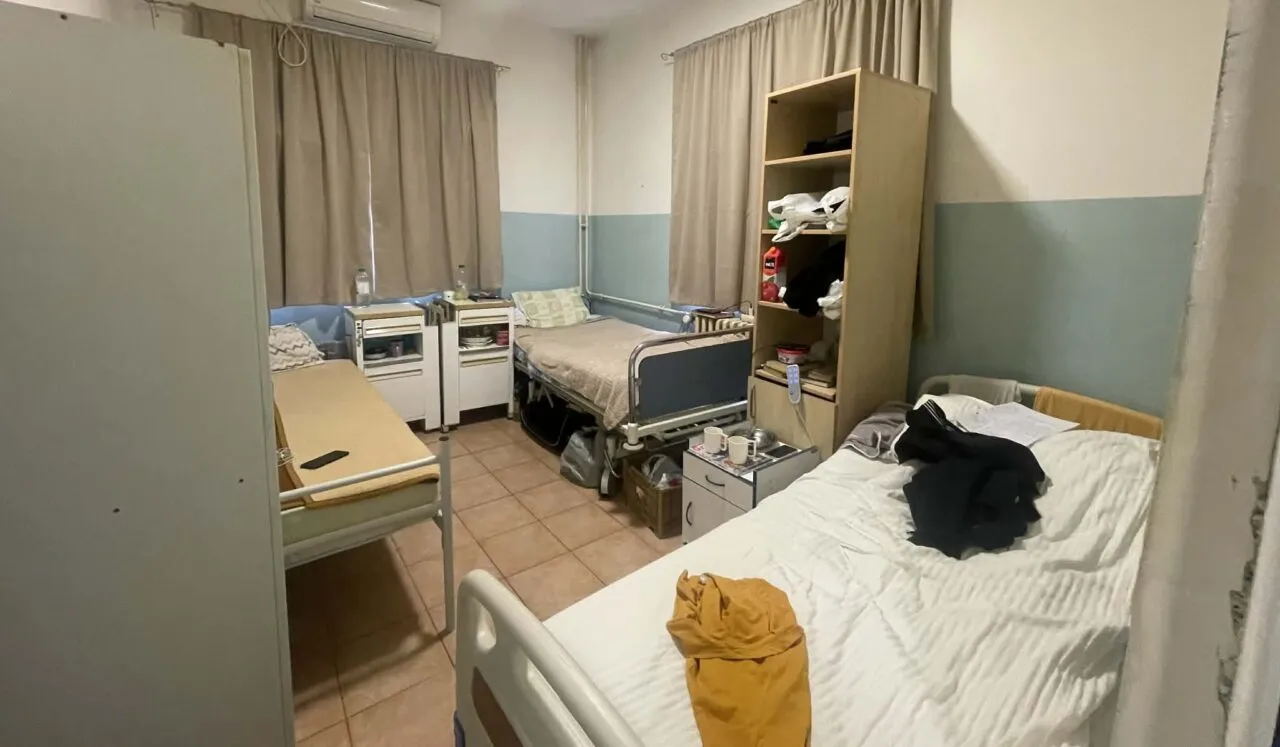
Dobrota Psychiatric Hospital in Montenegro is experiencing a crisis of overcrowding and conditions described as 'inhuman and degrading' by the Council of Europe's Committee for the Prevention of Torture. The hospital director, Jovo Djedovic, has confirmed that the situation is critical, especially in the men's ward where, during periods of high demand, they are forced to place mattresses on the floor to accommodate patients. The recommended capacity is four patients per room, but there are often six, and sometimes even eight.

This situation is compounded by the presence of forensic patients, social patients who do not require hospitalization, and even children, despite the existence of a children's psychiatric ward at the Clinical Centre of Montenegro. Dobrota does not have a child psychiatrist, which violates regulations and endangers minors who are admitted.
Montenegro Psychiatric Hospital: Overcrowding and Inhuman Conditions - Image 1

Human rights organizations in Montenegro, such as the NGO Human Rights Action, have pointed out that the preliminary observations of the Council of Europe Committee have been repeated for years. A report by the Montenegrin Ombudsman, published last November, warned of severe overcrowding, stating that '141 forensic patients were housed in a ward with a capacity of 21 beds'. This situation leads to the mixing of different pathologies, including patients with intellectual disabilities, dementia, acute psychoses, and those under forensic measures.

This contravenes safety principles and good clinical practice, increasing the risk of violence. Last July, Montenegro's National Preventive Mechanism, operating under the Ombudsman, cited legal violations, including the treatment of children alongside adults.


The hospital director, Jovo Djedovic, has stated that children should not be in Dobrota due to the lack of a child psychiatrist. However, in practice, minors aged 16 and 17 are admitted, especially when they pose a danger to themselves or others, or show suicidal tendencies. Djedovic told BIRN: 'The problem arises when a court orders the hospitalization of a minor with us; then, you practically enter a situation in which the law has to be broken.'

The Montenegrin Ministry of Justice responded that, although it has no legal authority to assess individual court decisions, the law requires that the age and personality of the minor be considered in corrective measures. These measures must be carried out in a special department for minors, but this does not always happen.

Another factor contributing to overcrowding is the length of time patients remain in the hospital under court-imposed psychiatric treatment. Djedovic explained that the hospital cannot discharge patients on its own, even if doctors consider that confinement is no longer necessary. The Ministry of Justice confirmed that the courts are the only authority that can discontinue mandatory psychiatric treatment. However, they must review these measures every nine months.

Djedovic noted that these procedures can be slow and that, sometimes, more than six months pass between the time the hospital proposes lifting or changing a measure and the final court decision, prolonging the pressure on the hospital's capacity.
Montenegro Psychiatric Hospital: Overcrowding and Inhuman Conditions - Image 2

According to data provided by Djedovic, more than half of the hospital's patients have been hospitalized since 2024 or earlier. Some patients have been in the hospital since the early 1990s, when Yugoslavia disintegrated in war. Djedovic stated: 'These are patients whose condition is not such that they can be discharged home.' The director emphasized that the problem does not only concern the health system, but requires coordination with the justice system and community mental health services.

The Ministry of Justice informed BIRN that a new special health facility is being built inside the complex of the Administration for the Execution of Criminal Sanctions in Spuz, as part of a broader infrastructure project under a European Union program to 'improve access to justice and fundamental rights'. It is expected to be completed in 2027 and will house inmates ordered to undergo psychiatric treatment, as well as those being treated for drug and alcohol addiction.

Djedovic believes that the new institution could ease the pressure on Dobrota, but only partially. 'It would be much more useful if that institution covered all forensic patients, and not just those with prison sentences,' he said. Djedovic also noted that expanding institutional capacity is not necessarily the answer, but deinstitutionalization and community-based treatment are also needed. However, in Montenegro, community-based care exists more on paper than in practice. The Ministry of Health did not respond to the request for comment.
Editorial Note

This content has been synthesized and optimized to ensure clarity and neutrality. Based on: Balkan Insight

Related Stories