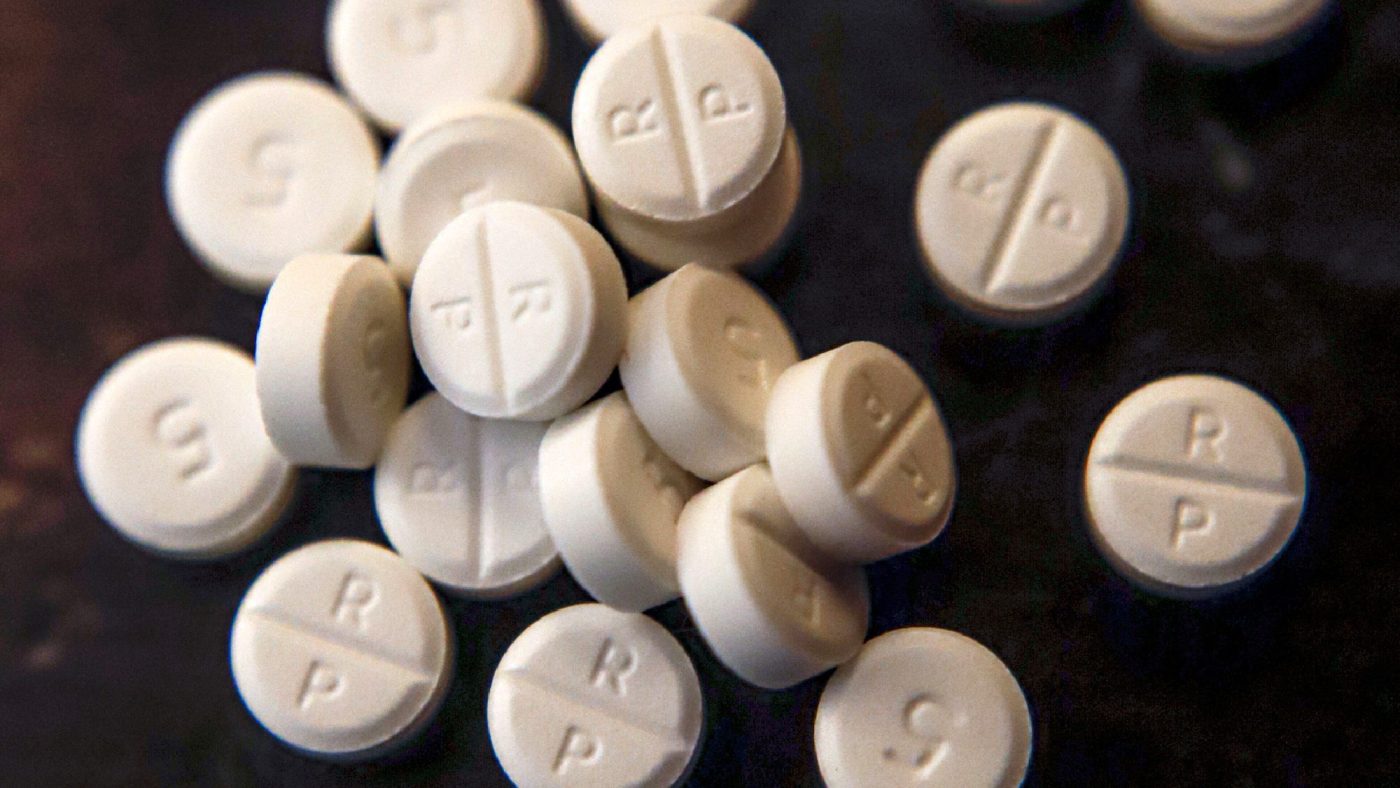
Cychlorphine, a more potent synthetic opioid, has recently been detected in forensic laboratories, marking a new phase in the war on drugs. Unlike fentanyl or nitazenes, cychlorphine belongs to a different chemical family. This means it can be synthesized using common industrial chemicals, many of which are not used in fentanyl synthesis. This characteristic makes it even more difficult to track and restrict through conventional precursor control strategies.
The emergence of cychlorphine reflects a constant pattern in the opioid crisis: each time authorities restrict a drug, the illicit market responds with a more potent, cheaper, and harder-to-detect substance. This dynamic, which has persisted for over two decades, underscores the need for more comprehensive and effective strategies to address the drug problem.
Forensic monitoring systems first detected cychlorphine in Europe around 2024. By 2025, it had already been identified in drug testing programs in Toronto and in seized samples in southwest Ohio. Since then, authorities have reported detections or related overdose deaths in places like eastern Tennessee, central Kentucky, and the Chicago area. Like many of the synthetic opioids that preceded it, cychlorphine is often found mixed in counterfeit pills or in polysubstance mixtures, indicating that traffickers are already experimenting with the next generation of synthetic drugs.
The rapid spread of cychlorphine highlights the urgency of improving detection and response systems, as well as addressing the underlying causes of drug demand. International collaboration and information sharing are crucial to counter the threat posed by this new opioid and its potential variants.
The idea that cychlorphine is simply a more potent version of fentanyl is incorrect. While fentanyl manufacturing has become easier to track due to a limited set of intermediates, cychlorphine presents a significantly different molecular structure. This implies that the lists of precursor chemicals used to track fentanyl production will not be useful for identifying the manufacture of cychlorphine. Worse still, a structurally different opioid can bind to the same brain receptor as morphine, but with greater affinity.
This structural divergence complicates control efforts and requires the development of new tools and strategies to identify and regulate the production of cychlorphine. The scientific community and authorities must adapt quickly to meet the challenges presented by this new opioid.
The emergence of a new generation of synthetic opioids resembles resistance to antivirals and antibacterials. Microbes develop resistance to drugs that block replication, and chemists, facing pressure from the law and economic incentives, adapt similarly. If the law makes molecule X hard to produce, there will always be a molecule Y ready to replace it.
This is the 'iron law of prohibition', functioning at the molecular level: the harder the law enforcement, the harder the drug. The focus on suppressing a substance may have a temporary effect, but it does not stop the arms race. Cychlorphine could be the latest creation of that policy.
Dr. Jeffrey A. Singer, a general surgeon and senior fellow at the Cato Institute, and Josh Bloom, director of chemical and pharmaceutical science at the American Council on Science and Health, have expressed their concern about the effectiveness of current strategies. Dr. Singer is the author of 'Your Body, Your Health Care.' They believe that a rethinking of policies is needed to address the opioid crisis more effectively.
The perspective of these experts suggests that current strategies, focused on prohibition and repression, may not be the most effective solution. More comprehensive approaches are needed that address the underlying causes of drug use, including treatment, prevention, and harm reduction.