#Iran#United States#Strait of Hormuz#Donald Trump#Conflict#Geopolitics
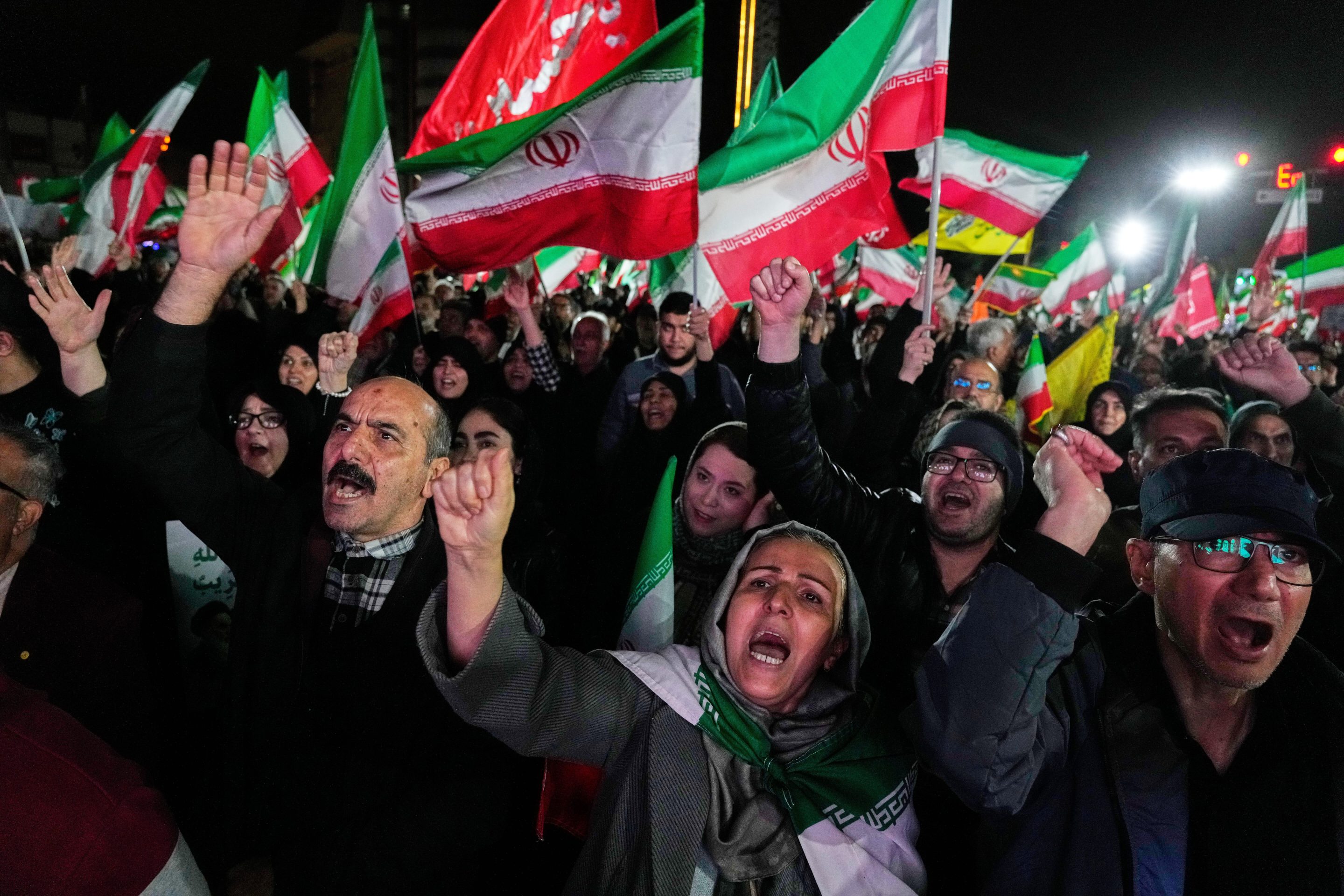
The situation in the Middle East intensifies as Iran and the United States maintain their positions in ceasefire talks.
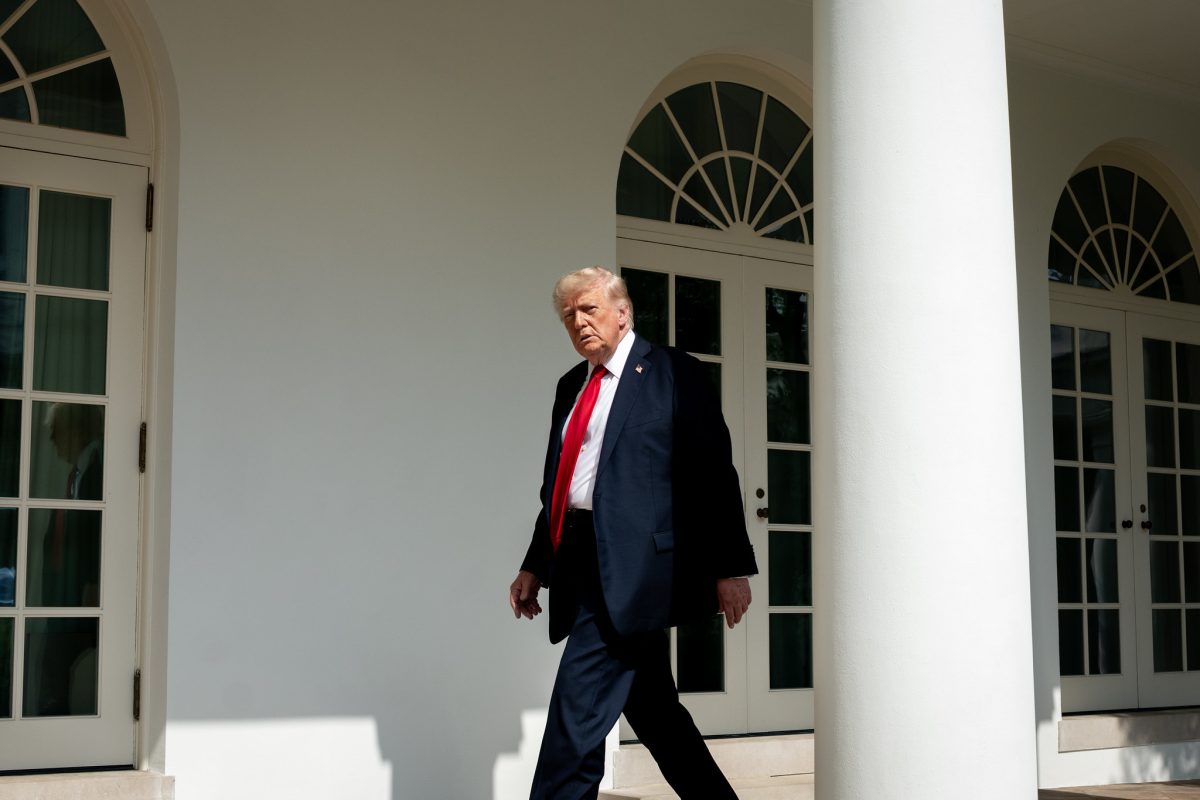
President Donald Trump extended the deadline for Iran to reopen the Strait of Hormuz to April 6, while Tehran strengthens its control over this crucial maritime passage.
Simultaneously, Israel increases its military presence in southern Lebanon, intensifying the conflict with Hezbollah, backed by Iran.
Air raid sirens sounded in Israel due to Iranian missile attacks.
Heavy bombings were reported in the Iranian capital and other cities, demonstrating the severity of the conflict.
In the midst of this escalation, the conflict seems to be defined by resistance, where the United States seeks to curb Iranian nuclear and missile programs, as well as Tehran's support for armed groups in the region.
For Iran, surviving the conflict could be considered a victory.
The Persian nation may be seeking for the United States to back down, affecting the world economy with its control over the strait.
This disrupts oil and natural gas shipments, raising energy and other goods prices globally.
Iran rejected the ceasefire proposal put forth by the United States, putting forth its own demands.
Trump threatened to attack Iranian power plants if the strait was not reopened, although he later softened his stance, arguing that talks are progressing.
A Gulf Arab bloc accused Iran of charging tolls to ships to ensure their safe passage through the waterway.
Lloyd's List Intelligence called the situation a 'de facto toll booth' regime, indicating that at least two vessels paid in yuan, the Chinese currency.
Iran's control over the strait and attacks on Gulf energy infrastructure have led to an increase of more than 40% in Brent crude since the start of the war.
Israel announced the death of the head of the Iranian Revolutionary Guard's navy, Commodore Alireza Tangsiri, and the head of naval intelligence, Behnam Rezaei.