Prometu News LogoNews
© 2026 Prometu NewsPowered by Prometu, Inc.
Politics4 min...

Trump Demands Answers from Spain Over Noelia Castillo's Euthanasia

Listen
Share

Donald Trump questions Spain over the euthanasia of Noelia Castillo, demanding an investigation into the case.

OMNI
OMNI
#Donald Trump#Spain#Euthanasia#Noelia Castillo#Investigation
Trump Demands Answers from Spain Over Noelia Castillo's Euthanasia

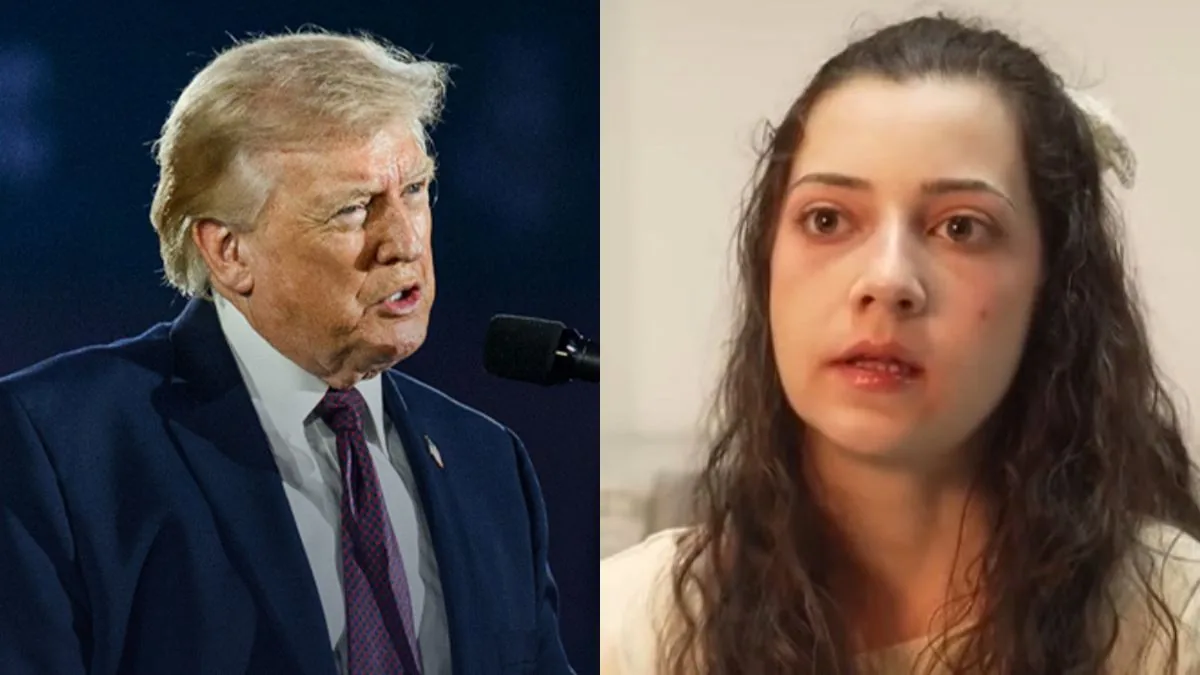
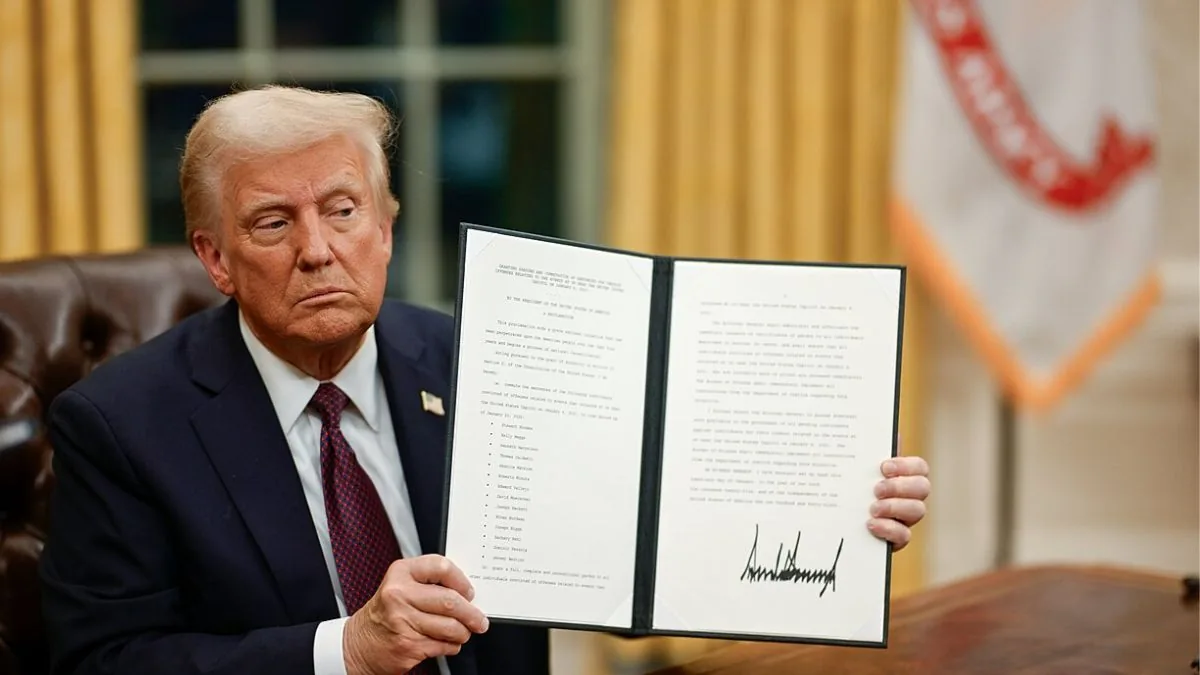
The Donald Trump administration has expressed concern over the euthanasia of Noelia Castillo, a 25-year-old victim of s--ual assault. Through a leaked diplomatic cable, it was learned that the State Department ordered the U.S. Embassy in Madrid to launch an investigation into Spain's handling of the case. Concerns focus on the circumstances that led to Castillo's euthanasia, especially after it became known that she had expressed doubts in her final hours.

The leaked cable reveals the deep concern of the U.S. over allegations that Castillo suffered repeated s--ual assaults while in state care, without those responsible being brought to justice. It also questions whether Castillo's signs of hesitation regarding euthanasia were ignored, raising serious doubts about the application of Spanish law in cases involving psychiatric conditions and non-terminal suffering.

The State Department suggests that Spain's immigration laws may have contributed to the multiple assaults suffered by Castillo. Allegations that the s--ual assaults were perpetrated by individuals with a migration background are being investigated. The Trump administration believes that mass and illegal migration represents a threat to the rights and liberties of Spanish citizens, as well as regional and global security.

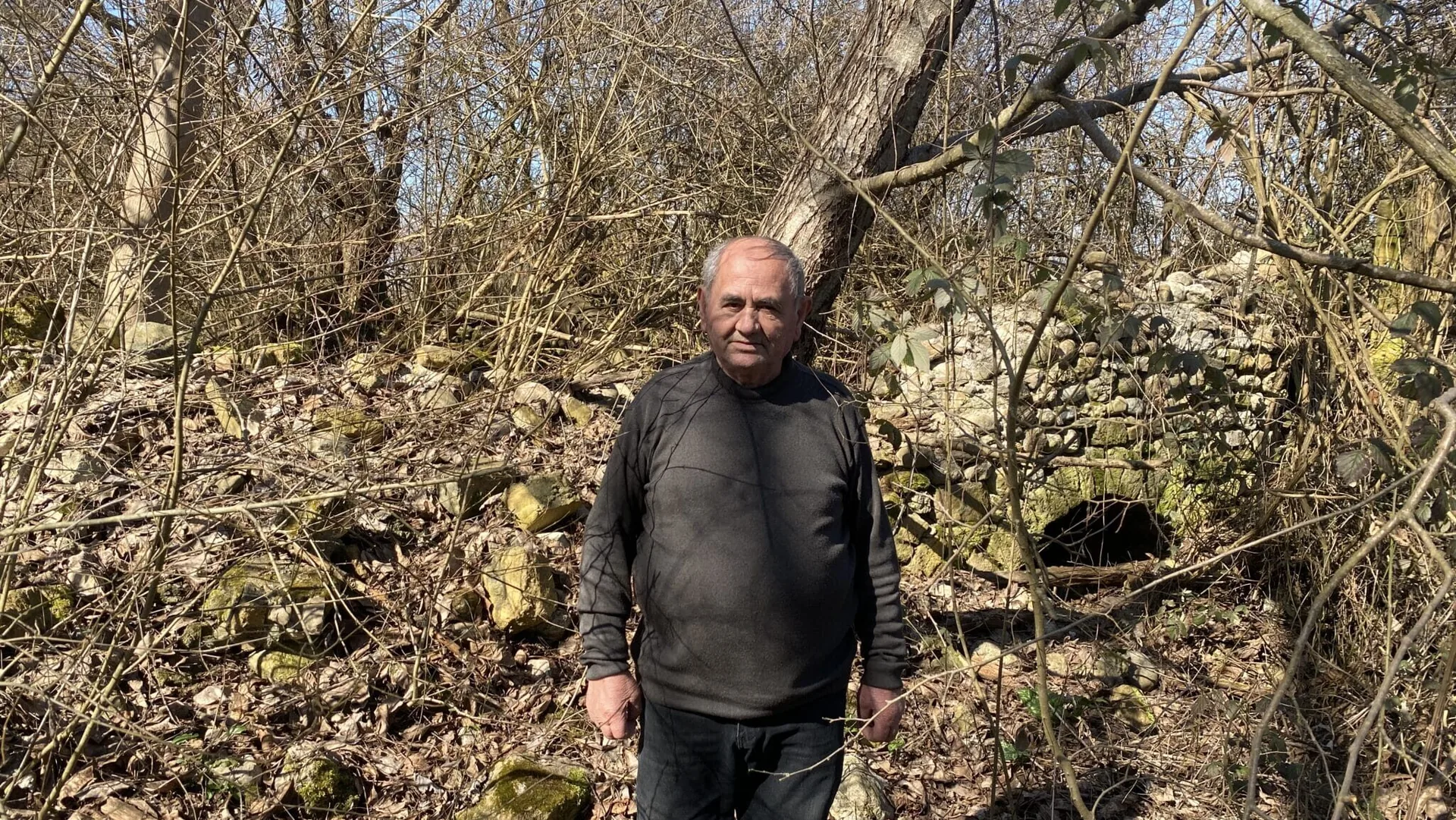
According to reports, Castillo suffered repeated s--ual assaults before the age of 21 and had previously attempted suicide, which left her paralyzed from the waist down. She died by euthanasia under Spain's right-to-die law, passed in 2021. Her father, Geronimo Castillo, fought legally for years to prevent euthanasia, after it was approved in 2024.

Geronimo Castillo battled for 18 months to prevent his daughter's euthanasia, but lost the case when the European Court of Human Rights ruled in Castillo's favor. The father accused the Spanish State of "abandoning" the young woman, who was suffering extreme trauma due to what happened. In a final interview before her death, Castillo stated that her father saw her fall and could do nothing, but that she no longer felt sorry for him, as he had not respected her decision and never would.

Castillo also expressed that none of her relatives were in favor of euthanasia, but questioned whether the happiness of her parents or sister could be more important than her own life and the pain she had suffered for years. This case has sparked a debate about the application of the euthanasia law in Spain and the rights of people with non-terminal suffering.

The controversy surrounding Noelia Castillo's euthanasia has reignited the debate on the application of the law in Spain, especially in cases involving psychiatric conditions and non-terminal suffering. Organizations and political figures have expressed conflicting opinions on the suitability of the law and its application in complex situations such as Castillo's. The investigation requested by the Trump administration seeks to clarify whether the appropriate protocols were followed and whether the young woman's rights were respected at all times.

The case of Noelia Castillo has highlighted the need for a deeper debate on euthanasia and its ethical and legal implications. It is essential to ensure that people who request euthanasia do so in an informed and conscious manner, and that they are provided with the necessary support to make a free and autonomous decision.

Noelia Castillo's case has sparked an intense debate about patient autonomy and the role of the State in life-or-death decisions. While some defend the right of individuals to choose how and when to die, others argue that the State has a responsibility to protect life and ensure that people receive the support they need to overcome their difficulties. The investigation requested by the Trump administration seeks to clarify whether Castillo's rights were respected and whether all relevant circumstances were taken into account before authorizing euthanasia.

This case has highlighted the complexity of euthanasia and the need for a clear and precise legal framework that guarantees respect for patient autonomy and the protection of their rights. It is essential that clear protocols are established to assess people's ability to make informed decisions and that they are provided with the psychological and social support necessary to cope with their difficulties.
Editorial Note

This content has been synthesized and optimized to ensure clarity and neutrality. Based on: The Inquisitr