Prometu News LogoNews
© 2026 Prometu NewsPowered by Prometu, Inc.
Politics4 min...

Trump's Birthright Citizenship Challenge: What's at Stake?

Listen
Share

The Supreme Court is weighing President Trump's executive order on birthright citizenship, sparking debate and controversy.

OMNI
OMNI
#Trump#Supreme Court#Citizenship#Politics#Immigration
Trump's Birthright Citizenship Challenge: What's at Stake?

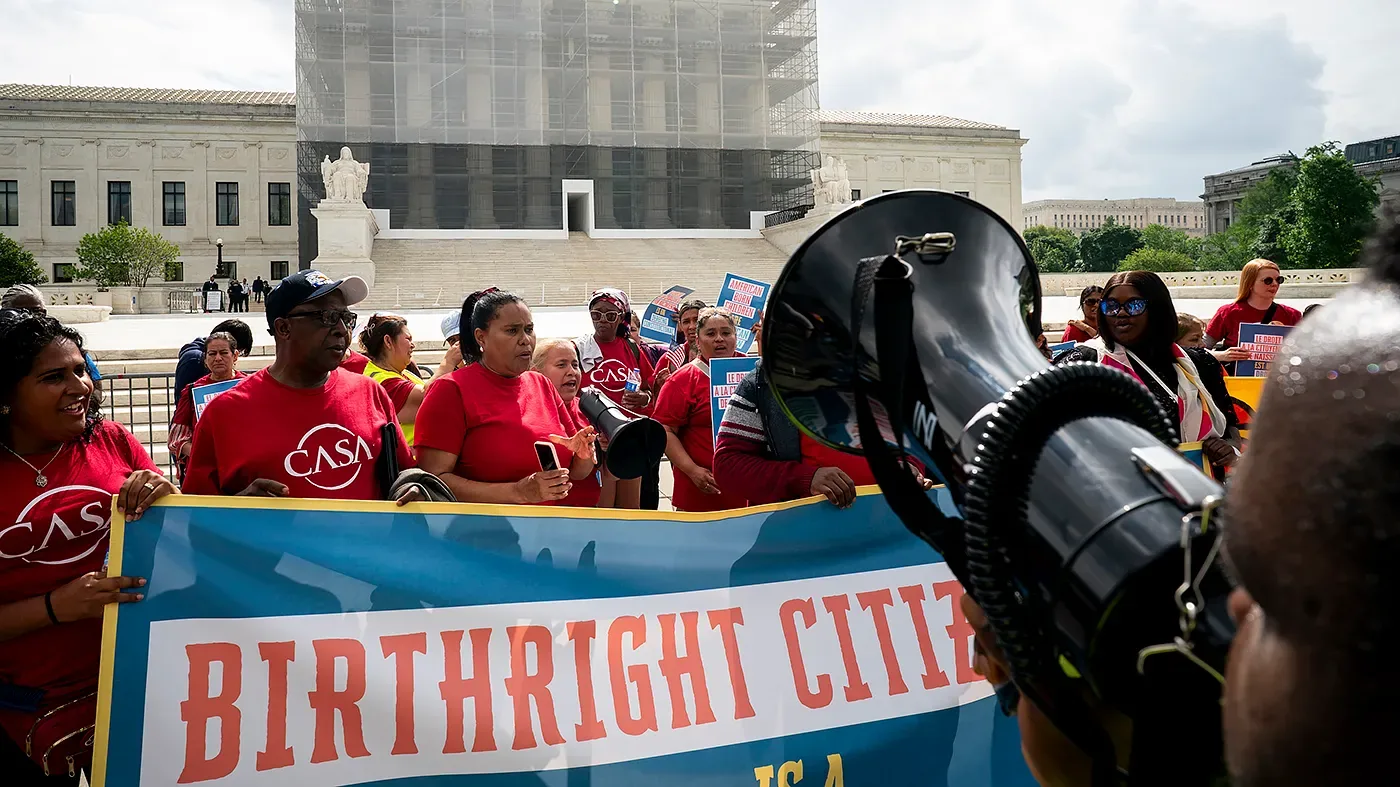
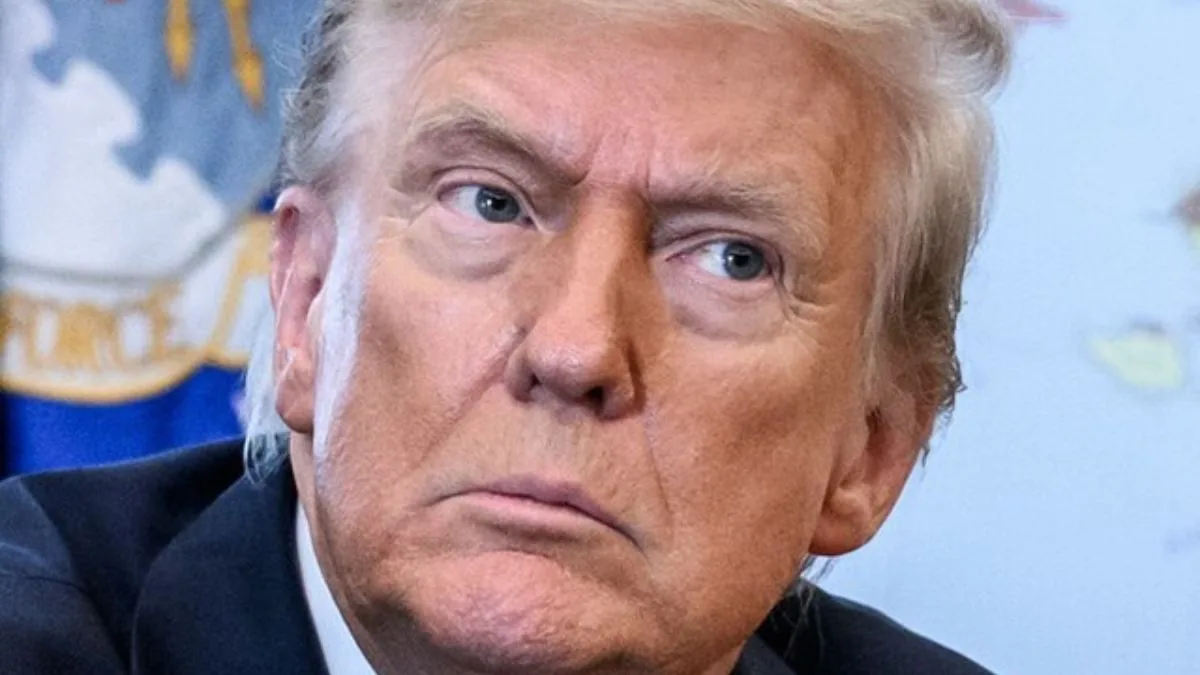
The Supreme Court is considering President Trump's executive order seeking to restrict birthright citizenship, a topic that has sparked intense legal and political debate. The president's presence in the courtroom marks a historic moment, as he is the first sitting president to attend such a hearing. This underscores the importance the Trump administration places on this case, which could have significant implications for the country's immigration policy.

Trump has repeatedly criticized the citizenship guarantee established in the 14th Amendment of the U.S. Constitution. His statements have intensified public scrutiny and sparked mixed reactions among supporters and opponents of the current interpretation of the amendment. The Supreme Court's decision could redefine citizenship rights and affect future generations of immigrants.

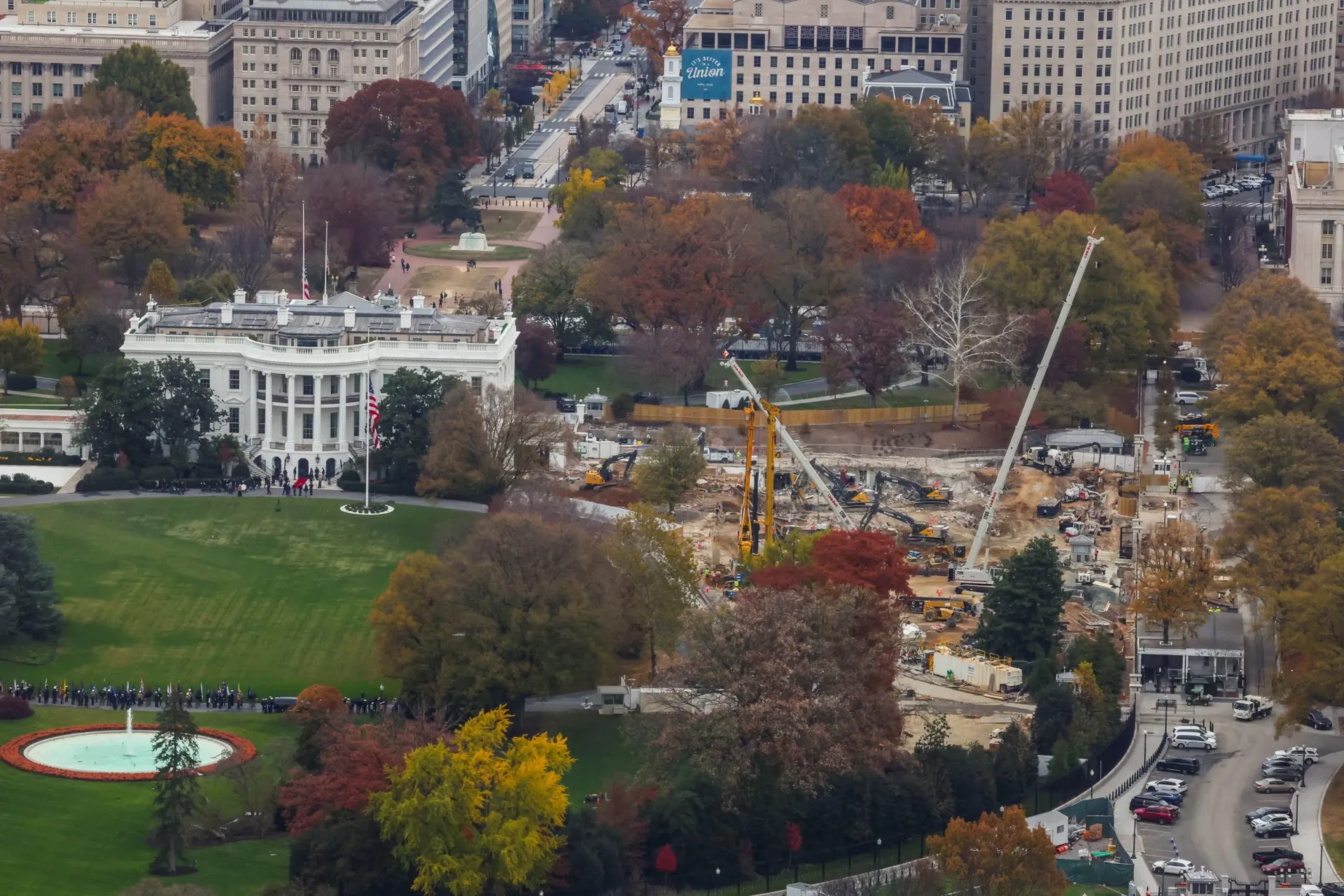
President Trump is scheduled to address the nation from the White House to discuss the ongoing conflict with Iran. This speech comes at a time of high geopolitical tension, with potential implications for regional and international security. In recent statements, Trump mentioned the possibility of a withdrawal of U.S. troops from the region in about "two weeks," although no specific details have been provided on the timing or scope of such a withdrawal.

The international community is watching the president's statements closely, seeking clarity on the United States' strategy in the Middle East and possible avenues for peaceful resolution of the conflict. Trump's speech could influence diplomatic relations and stability in the region.

On Capitol Hill, the Senate bill to fund the Department of Homeland Security is gaining traction with the president's support. This legislative progress is crucial to ensure the continuity of the country's operations and border security. Funding for the Department of Homeland Security is a priority for the Trump administration, which seeks to strengthen immigration control measures and border protection.

The passage of the bill would allow the department to carry out its essential functions, including enforcing immigration laws, combating terrorism, and protecting critical infrastructure. The president's support is a key factor in ensuring the final passage of the bill in Congress.


In the House of Representatives, a movement is gaining momentum to end the ongoing U.S. military operation in Iran. This effort reflects growing concern among lawmakers about the costs and risks of military intervention in the region. Proponents of the initiative argue that it is necessary to re-evaluate the United States' strategy in the Middle East and seek diplomatic solutions to resolve the conflict.

Pressure from Congress could influence the Trump administration's foreign policy and lead to a reduction in the U.S. military presence in the region. The debate over the operation in Iran highlights the differences of opinion between the executive and legislative branches on foreign policy matters.

After attending oral arguments at the Supreme Court, President Trump is scheduled to attend an Easter lunch. This event represents a break in the president's political agenda and an opportunity to celebrate the holiday with his family and loved ones. Trump's attendance at the Easter lunch is a tradition that is repeated every year and is part of the official White House celebrations.

The Easter lunch is a social and religious event that allows the president to connect with the community and share a moment of celebration in a more relaxed atmosphere.
Editorial Note

This content has been synthesized and optimized to ensure clarity and neutrality. Based on: The Hill