PrometuNews
© 2026 Prometu NewsPowered by Prometu, Inc.
Politics4 min...

Trump Challenges Birthright Citizenship Ahead of Supreme Court Arguments

Listen
Share

Donald Trump attacks birthright citizenship, challenging the 14th Amendment of the U.S. Constitution.

OMNI
OMNI
#Donald Trump#Birthright Citizenship#Supreme Court#14th Amendment#U.S. Politics
Trump Challenges Birthright Citizenship Ahead of Supreme Court Arguments

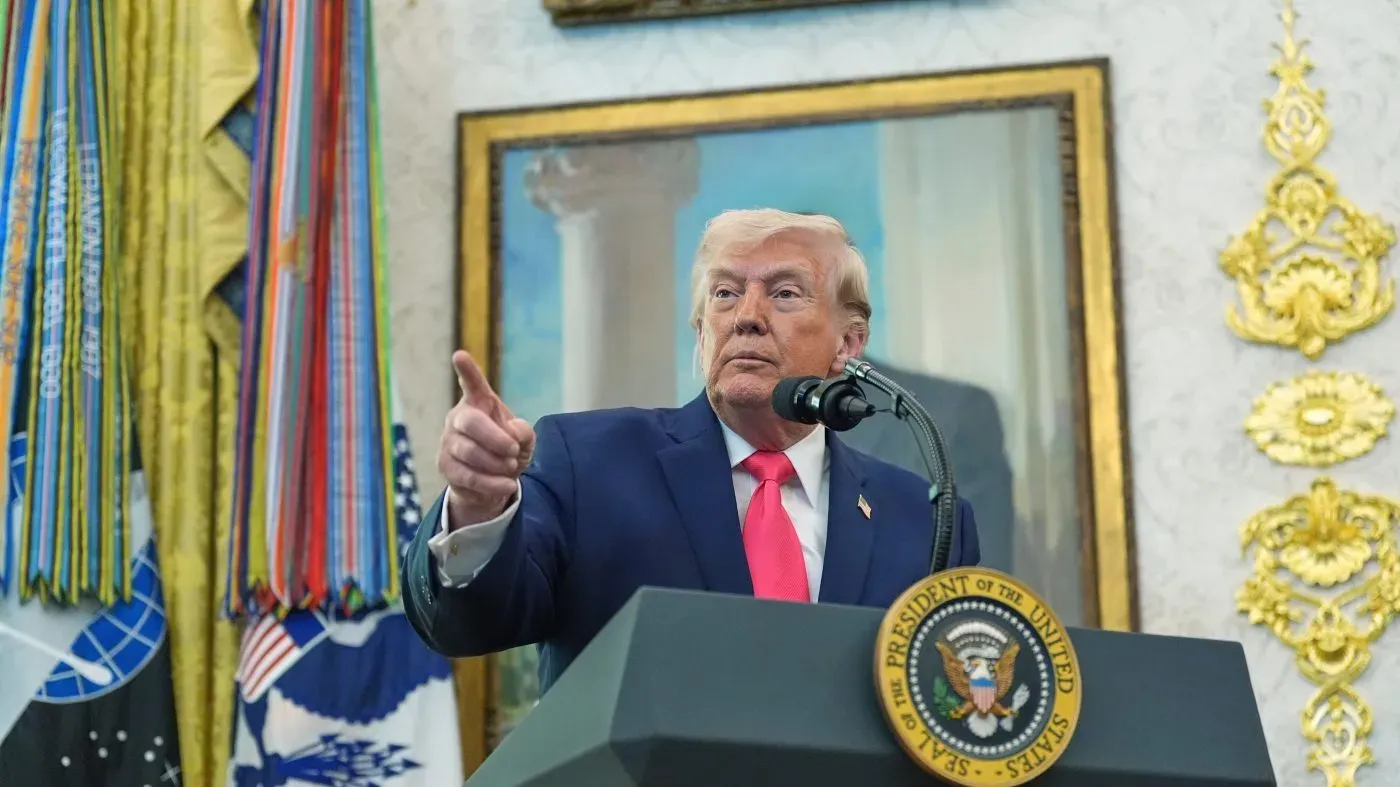
Former President Donald Trump on Monday criticized birthright citizenship ahead of Supreme Court arguments regarding his efforts to thwart the 14th Amendment. Trump, through a Truth Social post, argued that birthright citizenship is not about wealthy people from China and elsewhere wanting their children to become U.S. citizens, but about the children of slaves. He also pointed out that the U.S. is the only country that discusses this issue, recalling the end of the Civil War as a historical context.

The 14th Amendment, ratified three years after the end of the Civil War, states that all persons born or naturalized in the United States, and subject to its jurisdiction, are citizens. This amendment followed the 1858 case of Dred Scott v. Sanford, where the Supreme Court ruled that enslaved people were not citizens despite being born in U.S. territories.

Trump and the Justice Department are challenging the 14th Amendment's birthright citizenship guarantees, arguing that only the children of citizens and permanent legal residents are 'subject to the jurisdiction' of the U.S., not undocumented immigrants or temporary visitors. On the first day of his second administration, the president signed an executive order restricting birthright citizenship to citizens and legal permanent residents, which drew backlash in courts across the country.

The Supreme Court is set to hear arguments in the case on Wednesday, with some of the conservative justices, along with the three liberals, already signaling their opposition to Trump's order. Justice Sonia Sotomayor called the move 'an impossible task in light of the Constitution’s text, history, this Court’s precedents, federal law, and Executive Branch practice' last year.

Justice Sonia Sotomayor criticized the move, arguing against the Constitution. In 2022, Justice Clarence Thomas argued that all citizens deserve equal protection under the law when evaluating a federal benefits case for Puerto Rico residents, according to The Wall Street Journal. Though the case didn't directly focus on birthright citizenship, legal scholars say Thomas issued a clear stance on the issue in his argument.

Dilan Esper, a legal expert, told The Journal: 'It makes sense that Clarence Thomas, the descendant of slaves, thinks the citizenship clause is extremely important.'

In 1995, the Justice Department determined that eliminating birthright citizenship would require a constitutional amendment. However, Trump has argued for unilaterally undoing the right, stretching back to his first administration. In a 2018 interview, Trump said, 'I was always told you needed a constitutional amendment. Guess what? You don’t need it. It's in the process. It'll happen, with an executive order.'

In his Monday Truth Social post, the president also took a swipe at the Supreme Court for striking down his tariffs last month, ruling the International Emergency Economic Powers Act had been improperly applied. Trump wrote: 'The World is getting rich selling citizenships to our Country, while at the same time laughing at how STUPID our U.S. Court System has become (TARIFFS!). Dumb Judges and Justices will not a great Country make!'

Trump’s stance on birthright citizenship has significant political and legal implications, sparking debate over the interpretation of the Constitution and the rights of citizens. His challenge to the 14th Amendment could have a significant impact on immigration and the demographic composition of the United States. The Supreme Court's decision, which is highly anticipated, could redefine the concept of citizenship in the country.

The controversy underscores the political polarization in the United States and the importance of constitutional interpretation in shaping public policy. The case also highlights the relevance of history and legal precedents in judicial decision-making, especially in matters related to fundamental rights.
Editorial Note

This content has been synthesized and optimized to ensure clarity and neutrality. Based on: The Hill