PrometuNews
© 2026 Prometu NewsPowered by Prometu, Inc.
Politics4 min...

Schlossberg Slams Billionaires, AI Firms for Spending in Congressional Race

Listen
Share

Jack Schlossberg, grandson of John F. Kennedy, denounces the influx of money from billionaires and AI companies in his congressional campaign.

OMNI
OMNI
#Jack Schlossberg#Elections#AI#Politics#Finance
Schlossberg Slams Billionaires, AI Firms for Spending in Congressional Race

Jack Schlossberg, the grandson of former President Kennedy, has openly criticized the influence of money from billionaires and artificial intelligence (AI) companies in his race for a New York congressional seat. Schlossberg, who is running in a crowded and expensive Democratic primary, stated that these groups are investing millions of dollars with the intention of "buying an election." He made this statement during a radio interview on the "The Cats Roundtable" show.

Schlossberg is competing for the seat currently held by Rep. Jerry Nadler (D-N.Y.), who is retiring. Also in the race are two sitting state lawmakers, a long-time TV and radio journalist, and George Conway, a former Republican. Nadler has backed his former aide, state Assemblyman Micah Lasher, highlighting his legislative record.

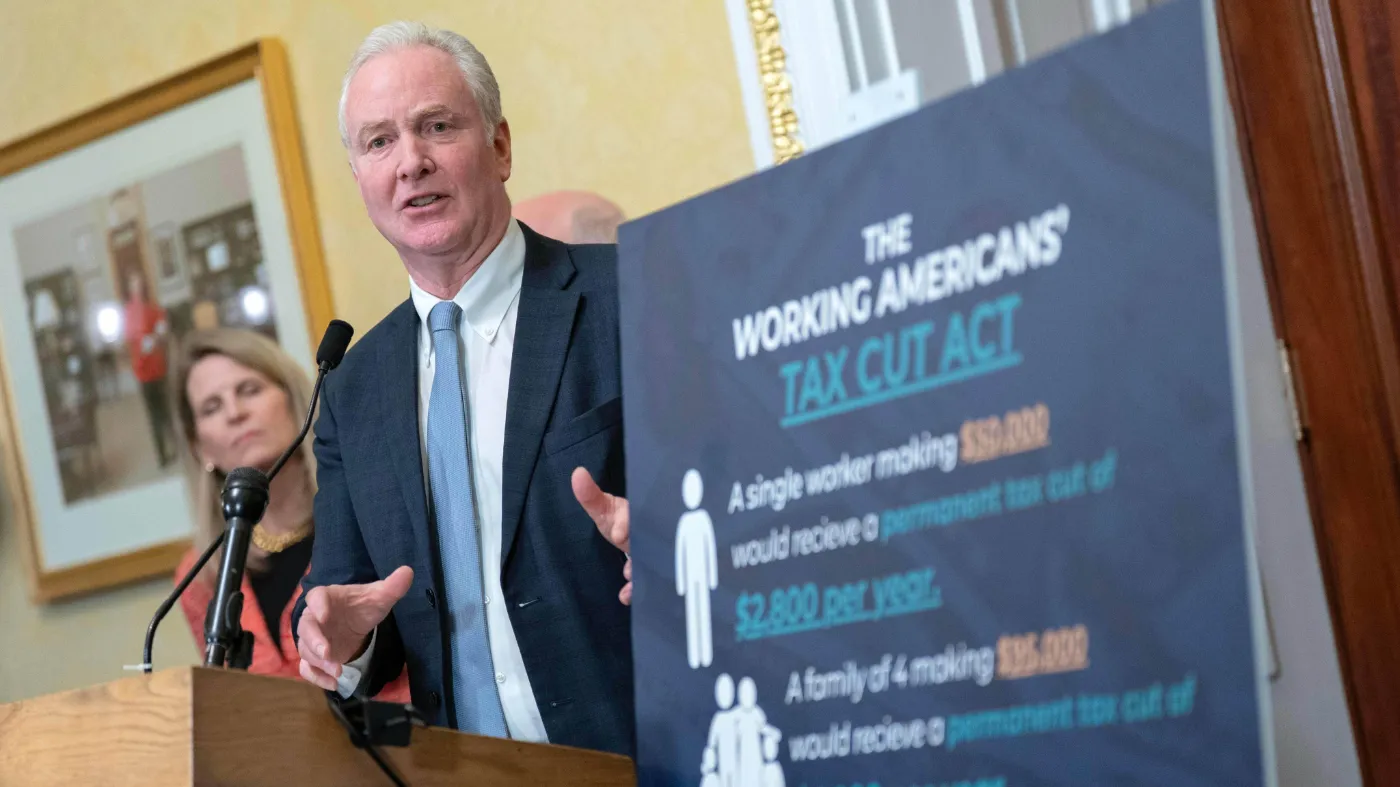
According to The New York Times, Michael Bloomberg, with an estimated fortune of $109 billion, would be willing to spend more than $5 million to boost Lasher's campaign through mail, television, and digital advertising. This investment highlights the growing influence of money in politics and the importance of primary elections in defining the political landscape.

This level of spending underscores the competitiveness of the race and the value that candidates and their sponsors place on the seat. The participation of prominent figures like Bloomberg also attracts public and media attention, intensifying scrutiny of the candidates and their positions.

A super PAC backed by tech CEOs is using its funds to target state Assemblyman Alex Bores, who co-sponsored an AI safety bill in the Albany state legislature. This PAC, which had initial funding of $100 million from leaders in the AI industry since its launch last August, has released at least two advertisements since late January criticizing Bores for his previous work as a data scientist for Palantir.

These types of targeted attacks and the use of super PACs demonstrate how technology and funding increasingly influence political campaigns. Bores currently has the largest cash on hand in the Democratic race, with approximately $2 million available, followed by Lasher with around $1.175 million and Schlossberg with $606,000, according to Federal Election Commission (FEC) filings.

Schlossberg positions himself as the only candidate who does not accept money from Super PACs, corporate packs, or big AI companies. During the interview, Schlossberg emphasized that money in politics is a problem, regardless of political affiliation. The candidate has also described the midterm elections as the "last chance to stop Trump" and has the backing of former Speaker of the House Nancy Pelosi (D-Calif.).

Schlossberg's stance highlights a widespread concern about the influence of money in politics. His promise not to accept funding from sources considered corrupt could resonate with voters seeking greater integrity in the electoral process.

Schlossberg believes that money in politics is a problem that affects everyone, regardless of their political position. According to him, this is one of the reasons why not much progress is being made in politics. Kennedy's grandson has received the support of former Speaker of the House, Nancy Pelosi.

Schlossberg's criticism of campaign finance resonates in a context where electoral spending has increased significantly. Transparency and regulation of campaign finance are key issues in the current political debate.
Editorial Note

This content has been synthesized and optimized to ensure clarity and neutrality. Based on: The Hill