#Iran#Rubio#Strait of Hormuz#Conflict#International Politics
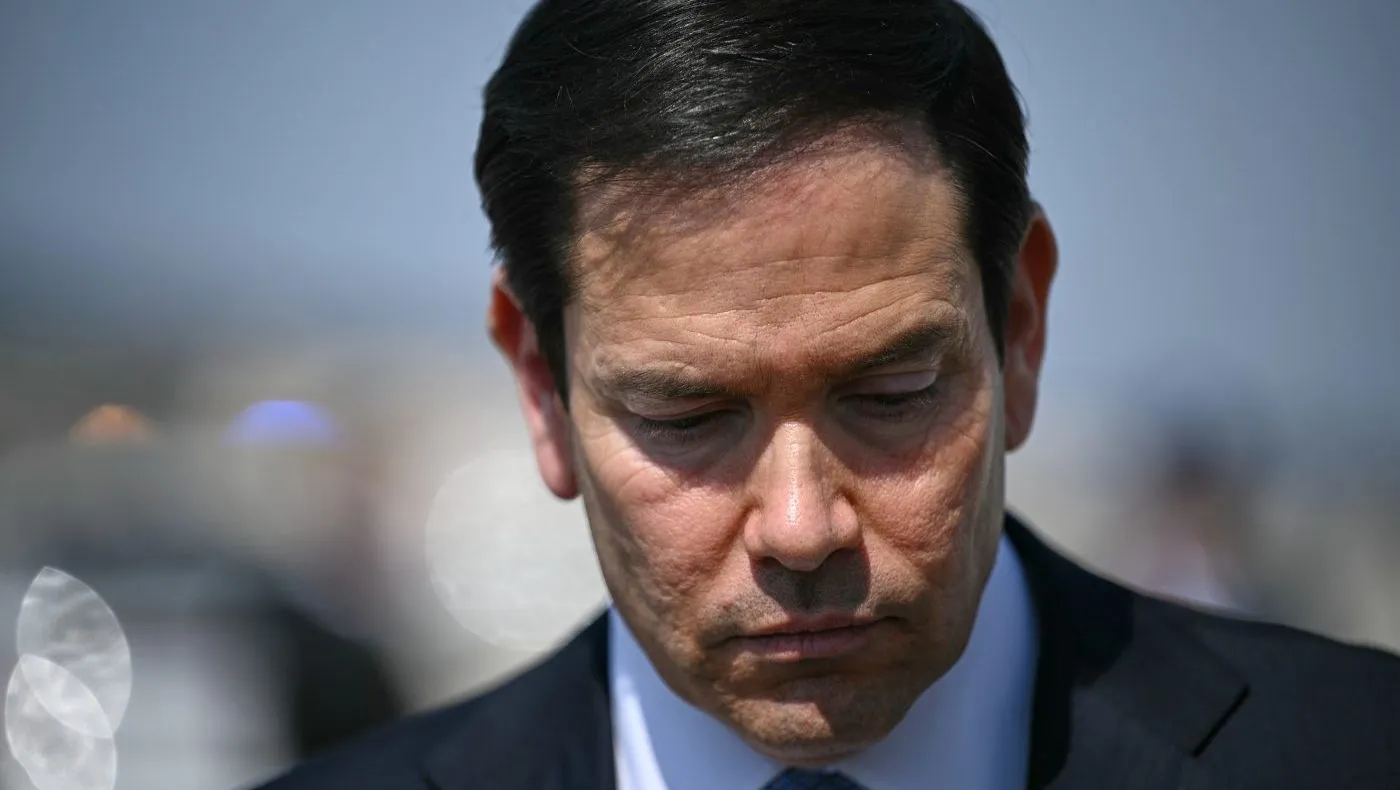
U.S. Senator Marco Rubio warned European allies that Iran could set up a "tolling system" in the Strait of Hormuz after the U.S.-Israeli conflict with Iran ends.
Rubio raised this possibility to reporters after he met with foreign ministers of the Group of Seven nations (G7) during his trip to Cernay-la-Ville, France.
According to Rubio, this scenario would not only be illegal and unacceptable but also dangerous for the world, urging the international community to have a plan to confront it.
Rubio added that the U.S. is prepared to be part of that plan, but not to lead it, and that allies had a lot of "buy-in to that concept" if Iran carries out such a plan.
The senator emphasized that several countries, not just those in the G7 but also in Asia and other parts of the world, have a lot at stake and should contribute greatly to that effort.
The goal is to ensure that neither the Strait of Hormuz nor any international waterways are controlled or tolled by a nation-state or a terrorist government like that of Iran.
Rubio stated that the conflict with Iran will not be "prolonged" and defined the U.S.'s objectives as the destruction of Iran's missile capacity, navy, and air force, along with any nuclear capability, "without any ground troops".
The secretary added that President Trump has deployed service members to the region in line with "multiple contingencies" to allow "maximum optionality and maximum opportunity to adjust to contingencies should they emerge".
The U.S. and Iran each submitted ceasefire terms as the conflict entered its fifth week.
Iran rejected the U.S.'s 15-point peace plan, which included sanctions relief, but demanded a rollback of its nuclear program and the reopening of the Strait of Hormuz, according to state media.
Iran’s counterproposal called for its sovereignty over the strait, an end to hostilities, and a calling off of attacks on government officials.
U.S. officials have said Russia is aiding Tehran with satellite imagery and intelligence, and is close to completing a shipment of drones, medicine, and food to Iran, the Financial Times reported this week.
The Pentagon is reportedly considering diverting weapons meant for Ukraine to the Middle East, something Trump seemed to confirm by saying that "we do that all the time".
The conflict has seen a hardening of postures by both sides, with the deaths of senior Iranian officials such as former supreme leader Ayatollah Ali Khamenei due to U.S. and Israeli strikes.
Editorial Note
This content has been processed by our team to ensure neutrality and journalistic clarity. Based on:The Hill