Why Did the U.S. Vote Against the UN Resolution Labeling Slavery the 'Gravest Crime Against Humanity'?
Listen
Share
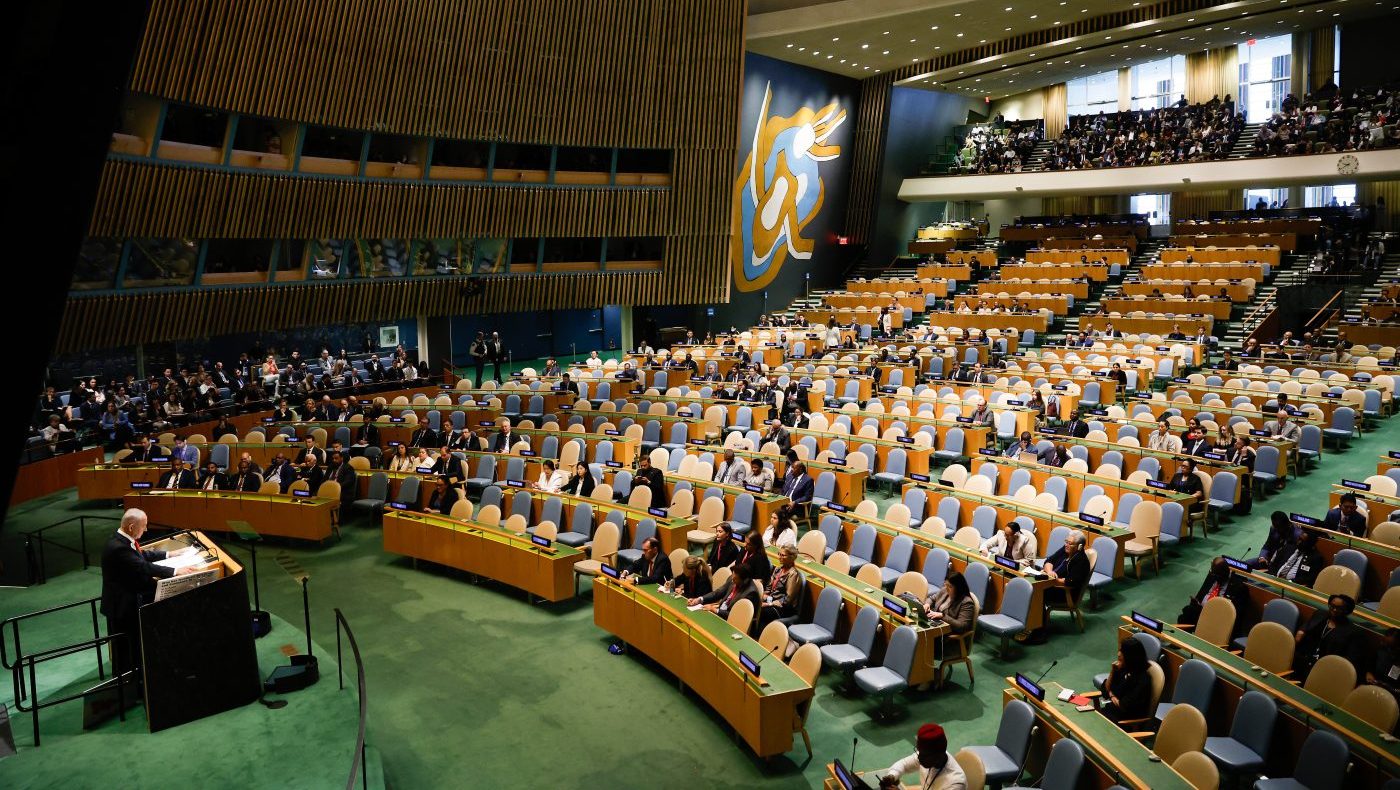
The United States, along with Israel and Argentina, voted against a UN resolution that labeled the international slave trade as the 'gravest crime against humanity'.
The vote took place in the UN General Assembly, where Ghana led the proposal. The resolution received 123 votes in favor, with 52 abstentions, including all 27 European Union members, the United Kingdom, Australia, Oman, and Japan. The text of the resolution highlighted the 'definitive break in world history, scale, duration, systemic nature, brutality and enduring consequences' of slavery, which still impact lives through racialized regimes.
The resolution also emphasized the need to address historical injustices towards Africans and people of the diaspora, placing emphasis on claims for reparations. Diplomats celebrated the resolution's approval with jubilation.
Dan Negrea, Deputy U.S. Ambassador to the UN, called the resolution's text 'highly problematic in countless respects'. The United States 'does not recognize a legal right to reparations for historical wrongs that were not illegal under international law at the time they occurred'.
Negrea added that the U.S. objected to the ranking of crimes against humanity, arguing that it diminished the suffering of victims of other historical atrocities.
The resolution focused on the need to address historical injustices towards Africans and people of the diaspora, and it placed emphasis on claims for reparations. Ghanaian President John Dramani Mahama expressed his joy at the resolution's passage, noting that it was held on the International Day of Remembrance of the Victims of Slavery and the Transatlantic Slave Trade.
Mahama cited François-Dominique Toussaint L’Ouverture, who said: 'The greatest weapon against oppression is unity'.
UN Secretary-General Antonio Guterres also praised the resolution’s passage and called for the removal of 'persistent barriers that prevent so many people of African descent from exercising their rights and realizing their potential'. The resolution is not legally binding, unlike UN Security Council resolutions.
The vote reflects the divergences in the interpretation of the past and the pursuit of historical justice at the international level.
The resolution received 123 votes in favor in the UN General Assembly, demonstrating broad international support. However, the abstention of countries like the EU members and the United Kingdom, along with the vote against by the United States, Israel, and Argentina, underscores the complexities and disagreements that exist around the issue of slavery and reparations.
The debate about slavery and its consequences remains relevant today, with a focus on historical justice and equality.