Prometu News LogoNews
© 2026 Prometu NewsPowered by Prometu, Inc.
Politics3 min...

Pakistan Navigates Middle East Conflict: Regional Challenges and Strategic Role

Listen
Share

Pakistan faces a complex web of geopolitical and domestic challenges, exacerbated by the Middle East conflict and its strategic position in the region.

OMNI
OMNI
#Pakistan#Middle East#Geopolitics#Conflict#Diplomacy
Pakistan Navigates Middle East Conflict: Regional Challenges and Strategic Role

Pakistan's proximity to Iran, sharing nearly 600 miles of border, makes it a key observer of events in the region.

Furthermore, the presence of a considerable Shia population, similar to that of Iran, adds a layer of complexity to the country's internal and external relations.

This situation is compounded by Pakistan's dependence on hydrocarbon imports, making it vulnerable to price fluctuations caused by regional instability.


The defense treaty signed in September between Pakistan and Saudi Arabia, which strengthens military ties between the two countries, has raised questions.

This agreement states that any aggression against one country will be considered aggression against both, implying a significant commitment.

In addition, Pakistan faces internal challenges such as domestic terrorism and financial tensions, along with border issues with Afghanistan and India, further complicating its situation.

Saudi Arabia and Pakistan maintain close cooperation, with nearly 3 million Pakistanis working in Saudi Arabia and sending significant remittances.

This cooperation includes the deployment of approximately 2,000 Pakistani soldiers providing training and support to the Saudi military.

Despite this relationship, in 2015, Pakistan rejected a Saudi request for military support in Yemen, demonstrating the country's caution in getting involved in regional conflicts.

The Shia population, representing around 15% of the Pakistani population, is a crucial factor in internal stability.

Protests against attacks on Iran by the United States and Israel have generated tensions, with incidents such as the 10 fatalities in Karachi.

In addition, the presence of the Baloch separatist group on the border with Iran adds another layer of conflict, with mutual accusations of support for insurgents.

Due to its relations with Iran and the United States, Pakistan could have the opportunity to mediate the conflict in the Middle East.

Previous mediators, such as Qatar and Oman, have been affected by Iranian attacks, opening the door to Pakistan's involvement.

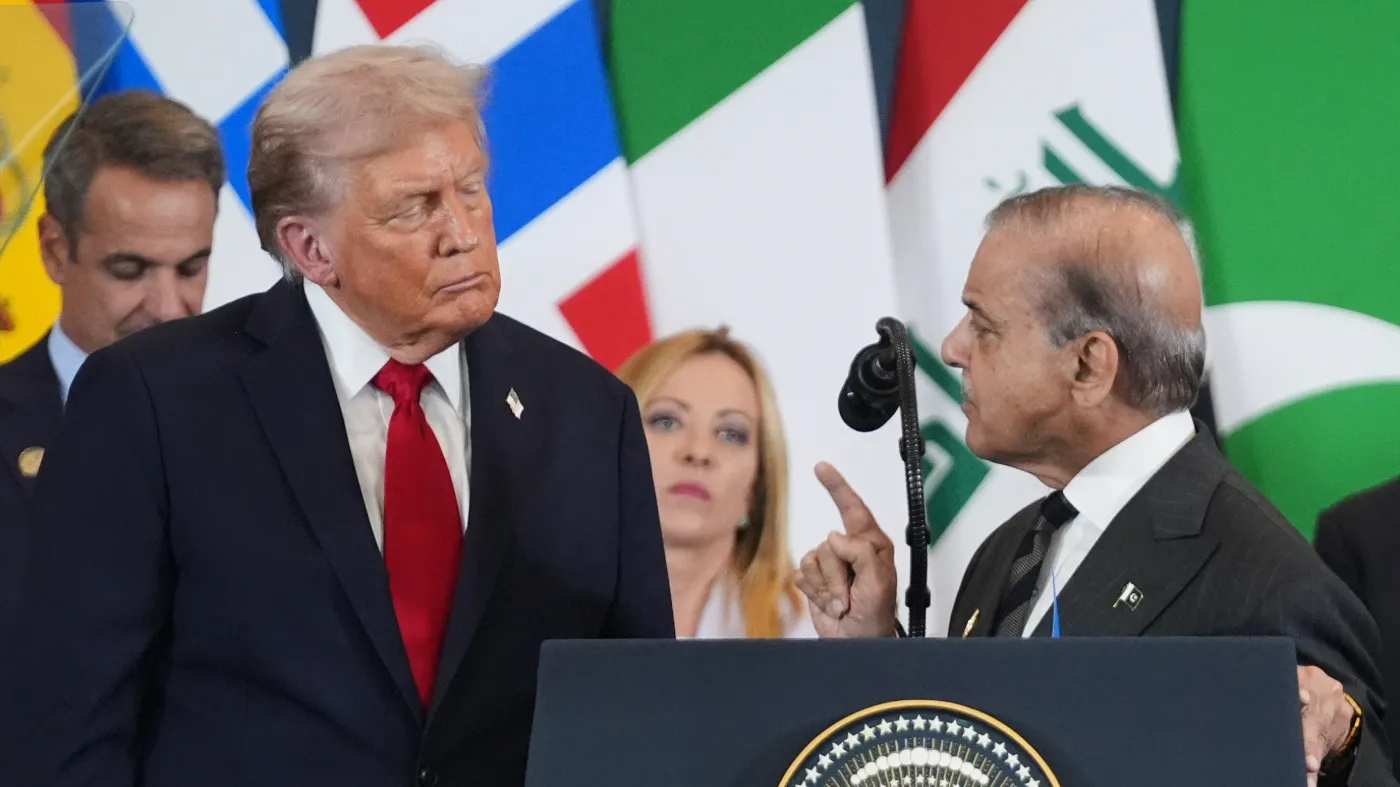
Reports suggest that Islamabad could host talks to end the war, and the government has been seeking favor with the United States, as demonstrated by Field Marshal Asim Munir's meeting with Donald Trump.
Editorial Note

This content has been synthesized and optimized to ensure clarity and neutrality. Based on: The Hill