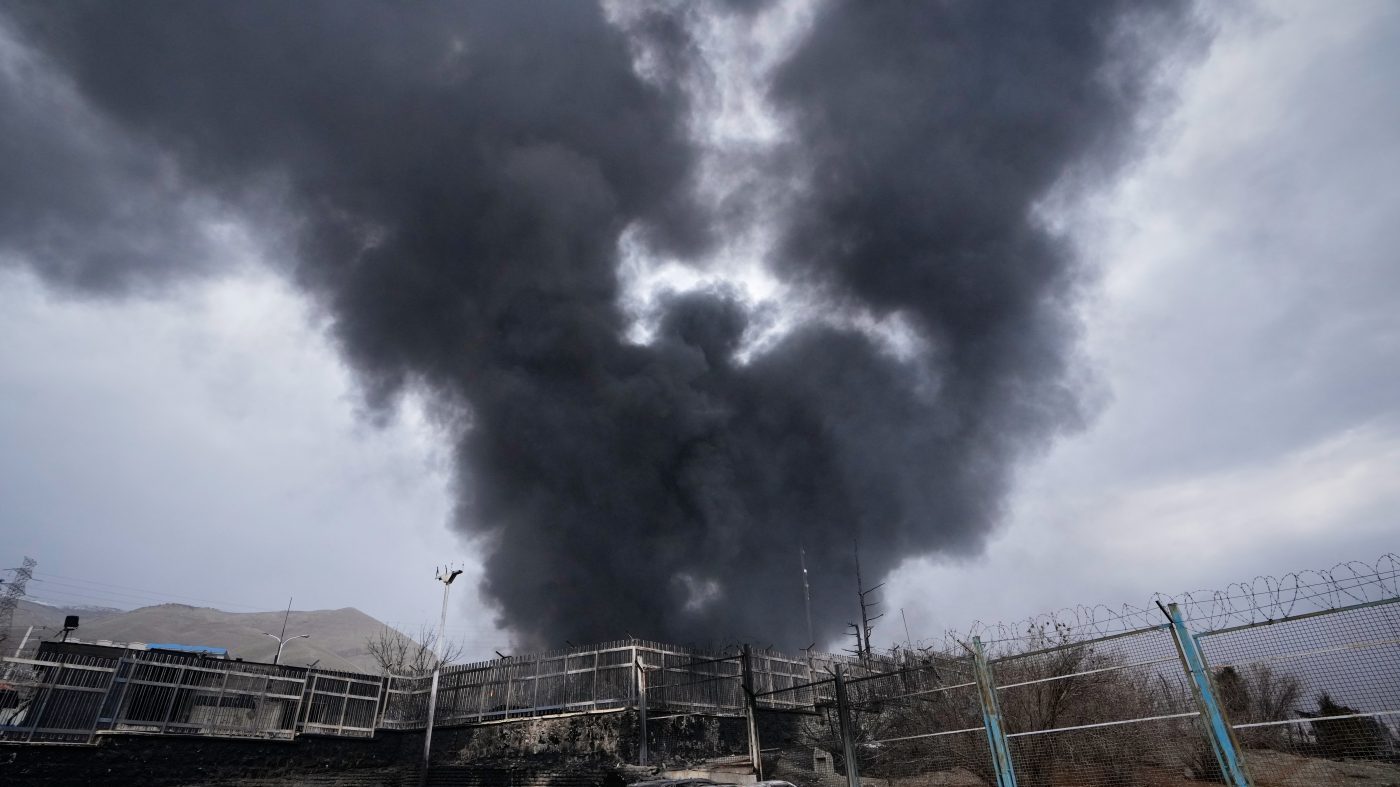
Tensions in the Middle East are escalating as efforts to bring about a ceasefire appear to be dissipating. Former President Trump accused Iranian negotiators of 'begging' for a deal after rejecting the Trump administration's 15-point peace plan. Trump, via Truth Social, expressed his displeasure with the Iranian stance, suggesting they should be more serious about the military situation. The administration has not revealed who it is negotiating with in Iran, further complicating the diplomatic landscape.
Iranian Foreign Minister Abbas Araghchi stated that Tehran was reviewing the U.S. plan but had no plans to negotiate an end to the conflict, according to Reuters. Araghchi clarified that there have been no formal talks, indicating that messages conveyed through friendly countries do not constitute negotiation. This lack of direct dialogue and the bellicose rhetoric suggest an escalation of tensions and a decline in hopes for peace.
The U.S. 15-point plan proposes sanctions relief, the reduction of the Iranian nuclear program, and the reopening of the Strait of Hormuz, whose closure has led to rising gas prices, according to Pakistani officials, who informed The Associated Press. The American proposal seeks to address concerns about the Iranian nuclear program and regional stability, but faces resistance from Iran.
The Islamic Republic's plan calls for an end to attacks on its officials, reparations for the conflict, which began with joint U.S. and Israeli strikes on February 28, and Iranian formal control over the Strait of Hormuz. These demands reflect Iranian priorities to protect its leaders and secure its economic and strategic interests in the region.
Despite calls for negotiation and Trump's statements about the end of the conflict, the U.S. has sent several ships to the Middle East, including around 2,500 Marines and 2,000 paratroopers from the 82nd Airborne Division. Israel also conducted a new round of strikes in Tehran, to which Iran responded with attacks in Tel Aviv and Jerusalem.
Iranian forces also attacked the United Arab Emirates, Bahrain, and Saudi Arabia. Shrapnel from a missile interception in Abu Dhabi killed two people, while the Saudi Defense Ministry intercepted several drones. These military movements and airstrikes indicate an escalation of violence and make any attempt at negotiation more difficult.
Trump's accusation about Iran 'begging' for an agreement and Iran's refusal to formally negotiate reflect a deep distrust between both parties. The lack of direct communication and communication through intermediaries hinder progress towards an agreement.
The current situation in the Middle East is characterized by growing tension and a decline in hopes for peace. The combination of intransigent positions, military movements, and airstrikes creates a volatile and dangerous environment, with an uncertain future for the region.
The situation in the Middle East is at a critical point, with the possibility of an escalation of the conflict. The lack of direct dialogue and continued military activity increase the risk of a wider and more devastating confrontation. The international community is watching with concern, seeking ways to mediate and avoid a large-scale war.
The stance of the U.S. and Iran, along with the attacks in the region, suggests that a peace agreement is becoming increasingly difficult to achieve. The situation requires urgent and effective diplomacy to avoid a major conflict with catastrophic consequences.