Prometu News LogoNews
© 2026 Prometu NewsPowered by Prometu, Inc.
Politics3 min...

Justice Jackson Dissents: Supreme Court Backs Conversion Therapy

Listen
Share

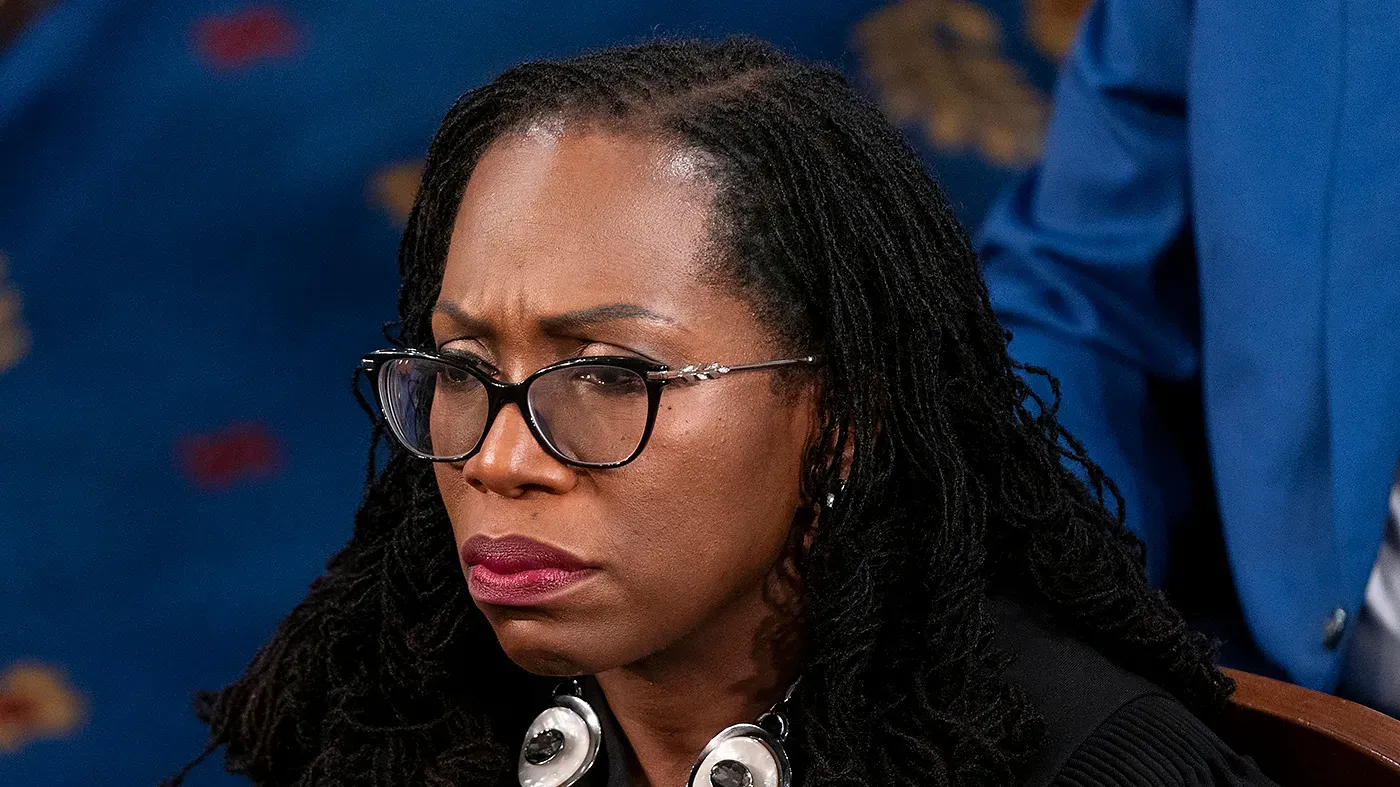
Justice Ketanji Brown Jackson issued a lone dissent in the Supreme Court, criticizing the decision that favors a Christian counselor in a conversion therapy case.

OMNI
OMNI
#Supreme Court#Ketanji Brown Jackson#Conversion Therapy#Free Speech#Colorado
Justice Jackson Dissents: Supreme Court Backs Conversion Therapy

In an 8-1 split decision, the U.S. Supreme Court ruled in favor of a Christian counselor who challenged Colorado's ban on conversion therapy for minors. Justice Ketanji Brown Jackson was the only dissenter. Justice Jackson's dissent criticizes the Court's decision, arguing that it opens a dangerous precedent. Justice Jackson argued that the decision could harm the ability of states to regulate medical care.


Justice Jackson argued that the Supreme Court's decision extends the Constitution into uncharted territory in an irrational manner. Furthermore, Jackson's dissent warns of the risk of serious harm to the health and well-being of Americans. Jackson emphasized the importance of states being able to regulate medical care, especially with regard to the protection of minors. Justice Jackson expressed her concern about the implications of the decision on state autonomy.

The case involved a Colorado ban on conversion therapy, which seeks to change the sexual orientation or gender identity of minors. The Christian counselor argued that the ban violated his right to free speech. Colorado defended the ban as a measure to protect the health and well-being of minors. The Supreme Court's decision in favor of the counselor represents a setback for state efforts to regulate conversion therapy practices.

Justice Jackson's dissent underscores the importance of states maintaining the ability to regulate medical care. Justice Jackson believes that the Court's decision could undermine this ability, which would have negative consequences for public health. Justice Jackson argues that the decision could open the door to legal challenges to other state regulations related to medical care. Jackson's dissent is a call for prudence and for the protection of state authority in health matters.

The Supreme Court's decision has generated an intense debate about the limits of free speech and state regulation of medical care. Free speech advocates argue that the decision protects the right of professionals to express their views. Advocates for the protection of minors argue that the decision could put the health and well-being of vulnerable young people at risk. The case highlights the complexity of issues related to sexual orientation, gender identity, and medical care.
Editorial Note

This content has been synthesized and optimized to ensure clarity and neutrality. Based on: The Hill