PrometuNews
© 2026 Prometu NewsPowered by Prometu, Inc.
Politics3 min...

Israel-Spain Tensions: Sánchez Criticizes Religious Ban, Netanyahu Responds

Listen
Share

The ban on a mass in Jerusalem sparks a diplomatic crisis between Spain and Israel, with mutual accusations and a call for religious respect.

OMNI
OMNI
#Israel#Spain#Pedro Sánchez#Benjamin Netanyahu#Church of the Holy Sepulchre#Religion#Politics
Israel-Spain Tensions: Sánchez Criticizes Religious Ban, Netanyahu Responds

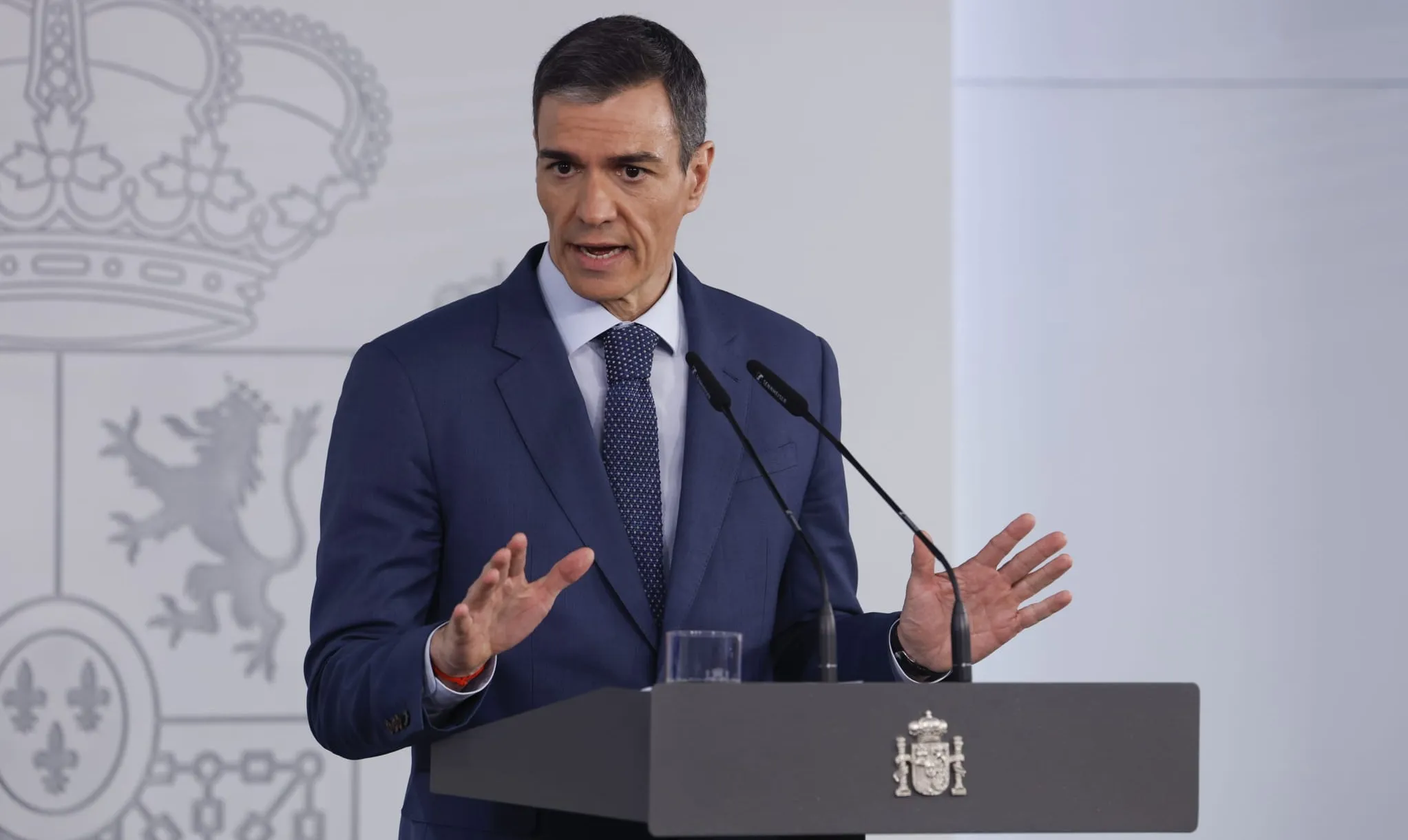
Israeli police prevented the celebration of the traditional Palm Sunday mass at the Church of the Holy Sepulchre in Jerusalem, an act that sparked a broad reaction. Spanish Prime Minister Pedro Sánchez joined the criticism, intensifying the already tense bilateral relations due to the war in Gaza. Sánchez described the Israeli action as an "unjustified attack on religious freedom".

Israeli security forces prevented the entrance of Cardinal Pierbattista Pizzaballa, head of the Catholic Church in Jerusalem, to the Holy Sepulchre. Spain, following the steps of other European leaders such as Georgia Meloni and Emmanuel Macron, showed its concern.

Israel-Spain Tensions: Sánchez Criticizes Religious Ban, Netanyahu Responds - Image 1

Israeli Foreign Minister Gideon Sa'ar responded to Sánchez's criticism, accusing him of "inciting hatred against Israel". Sa'ar reproached Sánchez for not speaking out when an "Iranian missile" hit near the temple. In addition, Sa'ar defended that Israel is committed to religious freedom, unlike the Iranian regime. Sánchez, for his part, demanded that Israel respect the diversity of creeds and international law.

The Israeli government argued that the ban was due to security concerns, citing recent Iranian attacks near sacred sites.

The Spanish political party Vox requested explanations and corrections from Israel regarding what happened at the Church of the Holy Sepulchre. Vox expressed its understanding of the situation in Jerusalem, but emphasized the importance of guaranteeing the religious freedom of Christians. Hours later, Israeli Prime Minister Benjamin Netanyahu posted on social media that he had instructed to allow Cardinal Pizzaballa full and immediate access to the Church of the Holy Sepulchre.

Netanyahu justified the initial restriction, claiming that it was due to the need to protect the faithful from Iranian ballistic missile attacks in recent days. In one of those attacks, missile fragments hit a few meters from the Church of the Holy Sepulchre.

Netanyahu assured that the temporary restriction on the celebration of the mass was due to the "special concern for security". He explained that Pizzaballa was asked to refrain from celebrating mass in the Church of the Holy Sepulchre. The Israeli Prime Minister added that, after learning of the incident with Cardinal Pizzaballa, he instructed the authorities to allow the Patriarch to celebrate religious services as he wished.

The situation highlighted the complexity of diplomatic relations and the sensitivity of religious issues in the context of the conflict in the region.

The ban on the mass and the subsequent reactions highlighted the importance of religious freedom and respect for the diversity of creeds. The incident also highlighted the existing tensions in the region and the need to address security concerns. The response of political leaders and statements on social media reflected the polarization around the Israeli-Palestinian conflict and its international implications.

The incident generated mixed reactions and highlighted the complexity of diplomatic relations and the sensitivity of religious issues in the context of the conflict in the region.
Editorial Note

This content has been synthesized and optimized to ensure clarity and neutrality. Based on: El Independiente