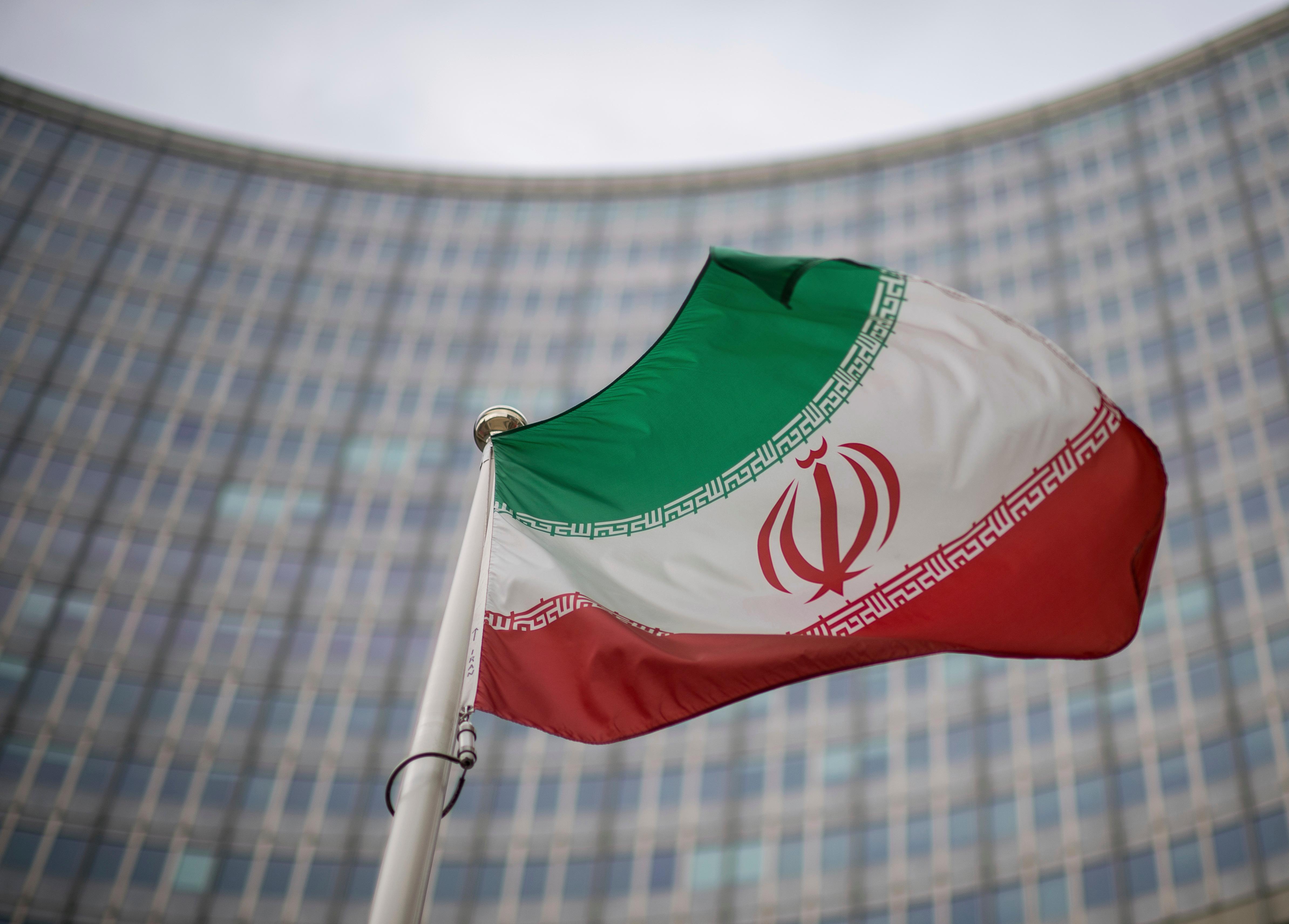
Iranian state media reports attacks on the Ardakan and Khondab nuclear facilities. The Fars news agency, affiliated with the Islamic Revolutionary Guard Corps (IRGC), reported the attacks. Tehran's Atomic Energy Organization stated that there were no casualties or release of radioactive materials. The incident occurs amidst growing tensions in the region. The announcement comes after Israel pledged to "escalate and expand" its military campaign, according to official sources.
The situation is aggravated by the ongoing conflict and the statements from both sides. These events highlight the fragility of the current situation and the need for a diplomatic solution. The international community is watching the developments with concern, fearing a further escalation.
The Israeli military claimed responsibility for the attacks, stating that they struck both the heavy water plant in Arak and Iran's primary facility for missile and sea mine production in Yazd. The Israeli Defense Forces (IDF) declared that they will not allow Iran to continue advancing its nuclear weapons program, considering it an existential threat. The IDF posted a direct statement on social platform X.
This declaration intensifies the tension and confirms Israeli involvement in the attacks. Israel's stance underscores its determination to curb Iran's nuclear program. The international community closely follows the actions of both countries, concerned about the potential consequences of a military escalation.
The IRGC warned that its forces would retaliate against American and Israeli interests in the region. Employees of American and Israeli industrial companies were urged to evacuate. IRGC Aerospace Force commander Seyed Majid Moosavi wrote on X: "You tested us once before; the world saw again that you yourselves started playing with fire and attacking infrastructure. This time, the equation will no longer be eye for an eye; wait and see!".
These threats raise the risk of a broader and more direct conflict. Iran's stance reflects its determination to respond to the attacks. The escalation of threats by both sides is a clear indication of the growing instability in the region and the urgency of a diplomatic solution.
The conflict has shown few signs of de-escalation, with Iran using the blockade in the Strait of Hormuz as leverage in the war. The halt in traffic through the strait, which carries about 20% of the world's daily oil supply, has shaken global markets and repeatedly pushed fuel prices above $100 per barrel. Defense Secretary Pete Hegseth said that combined forces have struck more than 15,000 targets inside Iran since the joint operation began on February 28.
The economic situation is severely affected by the instability. Oil prices and uncertainty in financial markets are just some of the effects of the conflict. The international community must address the situation urgently to avoid further consequences.
Trump extended a pause in U.S. strikes on Iranian energy infrastructure until April 6, citing productive negotiations with Iranian officials. However, the Iranian regime has denied its involvement in talks with the Trump administration. Tehran also rejected a 15-point ceasefire proposal from the U.S., instead issuing its own set of demands to end the conflict.
Diplomacy, although present, is hampered by conflicting stances. The lack of agreement between both parties hinders the resolution of the conflict. The international community must redouble its efforts to facilitate constructive dialogue and achieve a lasting ceasefire.
Editorial Note
This content has been processed by our team to ensure neutrality and journalistic clarity. Based on:The Hill