Prometu News LogoNews
© 2026 Prometu NewsPowered by Prometu, Inc.
Politics5 min...

Iran Strikes Qatari Tanker, Admits Direct Contact with U.S. Envoy

Listen
Share

Iran escalates tensions by striking a Qatari tanker and revealing direct communication with the U.S. amid rising tensions.

OMNI
OMNI
#Iran#Qatar#USA#International Politics#Conflict#Middle East
Iran Strikes Qatari Tanker, Admits Direct Contact with U.S. Envoy

On Wednesday, Iran carried out a missile attack on a Qatari tanker, while acknowledging it has had direct contact with U.S. Special Envoy to the Middle East Steve Witkoff. This incident occurs at a time of high regional tension, exacerbating concerns about maritime security and stability in the area.

The attack and confirmation of contact with the U.S. add complexity to the geopolitical situation, raising questions about potential avenues for dialogue and conflict resolution. The international community is closely watching these developments, fearing a major escalation.

Iran’s Foreign Minister Abbas Araghchi told Al Jazeera that he has received messages from Steve Witkoff regarding peace talks, although he noted that “the trust level is at zero.” This statement underscores the deep distrust between Iran and the U.S. administration, making any significant progress towards a peaceful solution difficult.

The revelation of these messages raises questions about the nature and scope of indirect negotiations between the two countries. Despite the lack of trust, the communication itself could be a first step towards de-escalation, although the road ahead remains uncertain.

Tehran rejected the 15-point ceasefire agreement proposed by the Trump administration and responded with five conditions to end the war. These conditions include war reparations, control over the Strait of Hormuz, assurance that the war will not be restarted, an end to acts of “aggression,” and an end to the war on all fronts involving all resistance groups.

These demands reflect Iran's firm stance and its determination to protect its strategic interests in the region. The inclusion of control over the Strait of Hormuz, a vital maritime route for global oil trade, underscores the geopolitical importance of this conflict.


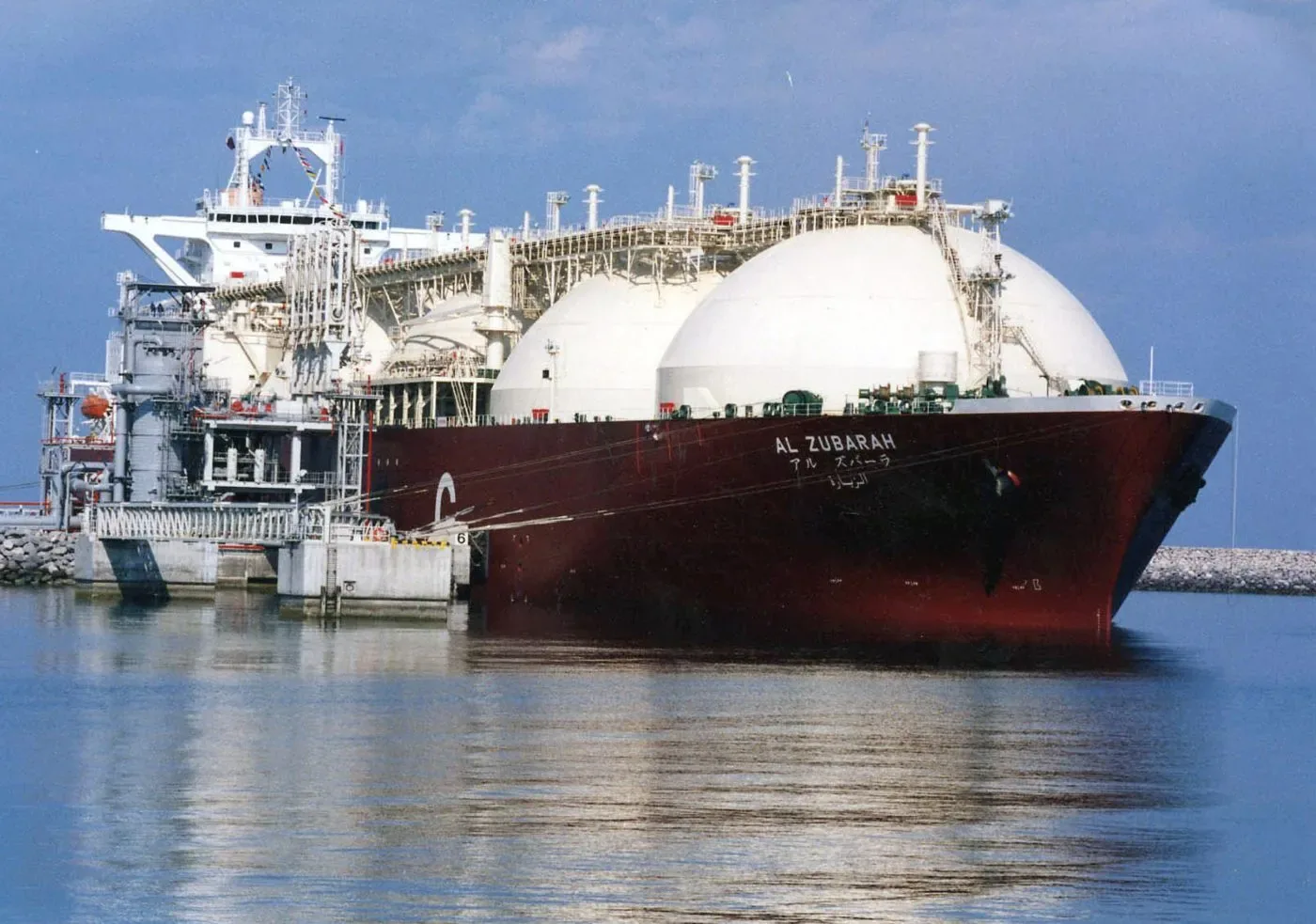
President Trump stated early Wednesday that Iran had requested a ceasefire in the war. However, simultaneously, Iran attacked a QatarEnergy tanker with a crew of 21 people, according to the Qatar Defense Ministry. The Aqua 1 tanker was hit by one of three missiles in Qatari waters, while the other two missiles were intercepted.

This apparent contradiction between Trump's statements and Iran's actions adds confusion to the situation. The attack on the Qatari tanker further exacerbates tensions and raises serious doubts about the sincerity of any potential ceasefire offer.

According to Reuters, Qatar has been the target of attacks from Tehran that have targeted its energy resources and facilities. The attacks have affected 17 percent of Qatar's liquefied natural gas (LNG) export capacity. These attacks not only pose a threat to Qatar's economy but also have the potential to disrupt the global energy supply.

The vulnerability of Qatar's energy infrastructure underscores the need for increased maritime security and regional cooperation to protect economic interests and ensure the stability of the global energy market.

Kuwait has also been hit by Iran and reported an attack on Wednesday at its airport. In addition, according to The Associated Press, one of its tankers off the coast of Dubai was also attacked on Tuesday. These incidents suggest a broader campaign by Iran to destabilize the region and exert pressure on its neighbors.

The attacks on Kuwait and on ships near Dubai expand the geographic scope of the conflict and increase the risk of regional escalation. The international community must strongly condemn these acts of aggression and work to ensure the safety of navigation in the waters of the Gulf.

Trump has urged Iran to accept a peace deal soon and reopen the Strait of Hormuz or face attacks on its energy facilities, including Kharg Island and desalination plants, among other targets. The president has also sent thousands of soldiers to the region, signaling the possibility of an invasion of Kharg Island, where 80 to 90 percent of Iran's oil exports are housed.

This direct threat from Trump further raises tensions and increases the risk of a full-scale military conflict. The potential invasion of Kharg Island, a vital hub for the Iranian economy, could have devastating consequences for the region and the global oil market.

Araghchi said that Iran is “waiting” for a U.S. invasion and has echoed other leaders in Tehran who have warned Trump not to put troops on the ground in Iran. This defiant statement reflects Iran's determination to resist any foreign aggression and defend its sovereignty.

The warning against the deployment of ground troops underscores Iran's concern about a potential occupation and the long-term consequences of such action. The history of conflicts in the region suggests that a ground invasion could trigger a prolonged and destabilizing war.
Editorial Note

This content has been synthesized and optimized to ensure clarity and neutrality. Based on: The Hill