PrometuNews
© 2026 Prometu NewsPowered by Prometu, Inc.
Politics4 min...

Iran War Costs: Sen. Kim Warns of Rising Prices for Americans

Listen
Share

Senator Andy Kim asserts that Americans are bearing the financial burden of the U.S.-Israeli war with Iran, facing escalating costs on multiple fronts.

OMNI
OMNI
#Iran#United States#Andy Kim#War#Economy
Iran War Costs: Sen. Kim Warns of Rising Prices for Americans

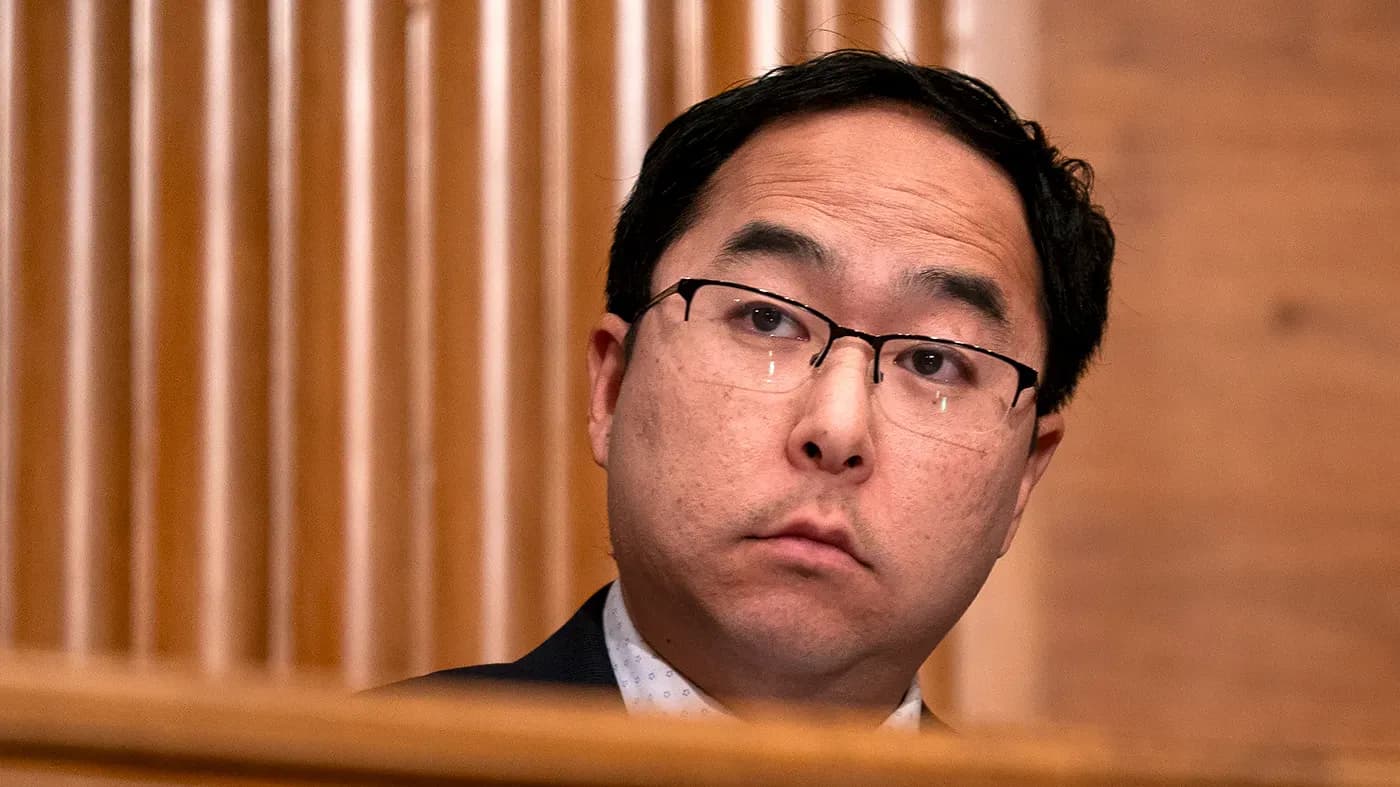
Senator Andy Kim, a Democrat from New Jersey, stated on Sunday that the American people are paying the economic price of the war between the United States and Iran. Kim made these remarks on CNN's 'State of the Union', pointing out that the costs are evident in various aspects of daily life. Kim argued that the administration is not prioritizing cost reduction for citizens, but rather, is increasing them, especially in a context of armed conflict. Kim emphasized concern for the well-being of the American people, highlighting that the government should focus on reducing costs and not on increasing military spending.

Kim also mentioned that the lack of public approval for the war indicates a disconnection between government policies and the interests of the population. Kim's position underscores the importance of transparency and accountability in political decisions that directly affect citizens.

Since the United States and Israel began striking Iran on February 28, the Iranian government has responded by restricting shipping through the Strait of Hormuz. This situation has caused a global rise in oil prices, which translates into an increase in gasoline prices for Americans. According to AAA, the national average price of a gallon of regular gasoline is $3.98, nearly $1 more than a month ago.

In addition to oil, other commodities transported through the waterway, such as fertilizers, have also experienced price increases. According to sellers surveyed by DTN, last Wednesday, the prices of six of the eight major fertilizers were higher than those of the previous month. These economic fluctuations highlight the direct impact of the conflict on global markets and on consumers' wallets.

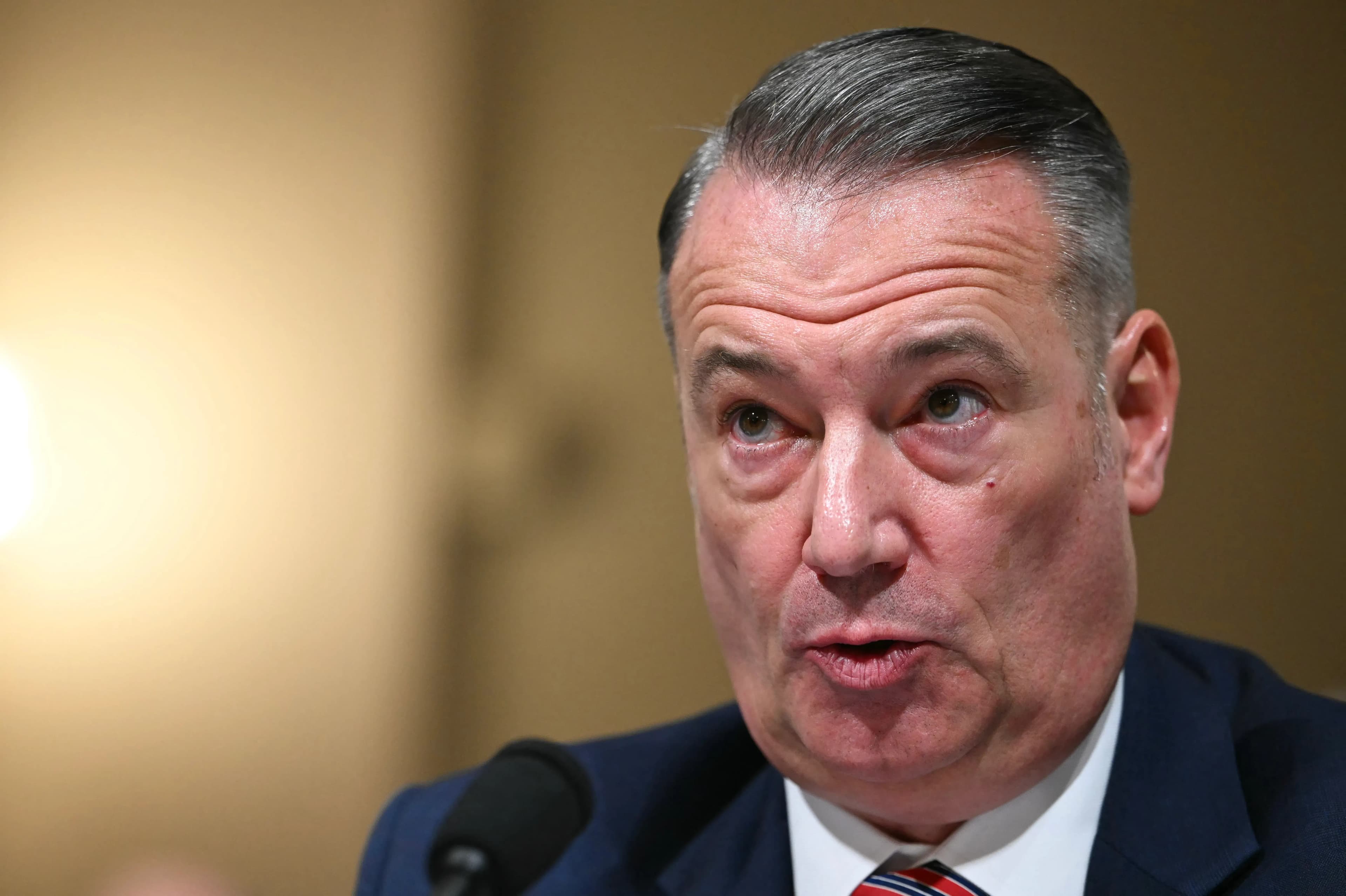
Pentagon officials told lawmakers earlier this month that the first six days of 'Operation Epic Fury' cost more than $11.3 billion, according to a source briefed on the matter. The Department of Defense also sent a supplemental funding request of $200 billion for the war to the White House, which has yet to request more money from Congress.

These data show the magnitude of military spending associated with the conflict, raising concerns about financial sustainability and the impact on other government programs. The need for additional funding suggests that costs could continue to rise, which could put even more pressure on the U.S. economy.

Approximately 2,000 U.S. troops from the Army's 82nd Airborne Division are heading to the Middle East, joining the roughly 50,000 American service members already in the region, according to a source familiar with the matter. The Wall Street Journal reported that the Pentagon is considering sending up to 10,000 additional ground troops to the Middle East.

The Washington Post reported that the Pentagon is actively preparing for ground operations in Iran, which could last weeks. Any troop deployment would need the president's approval, and it is unclear whether he has weighed in on any ongoing preparations. These actions increase tension in the region and raise questions about the escalation of the conflict and its potential consequences.

When Jake Tapper asked Kim about the Journal report, the Democratic senator and former State Department official replied that 'this is honestly one of the most consequential moments that I have ever seen in my time in government, not just in Congress, but before when I worked in national security'. Kim expressed his concern about the prolongation of the conflict and the increasing risks for service members, criticizing the administration's lack of support for their needs.

Kim's perspective reflects the gravity of the situation and the importance of a careful political and military response. His experience in national security gives him a deep insight into the challenges and risks associated with intervention in the region.
Editorial Note

This content has been synthesized and optimized to ensure clarity and neutrality. Based on: The Hill