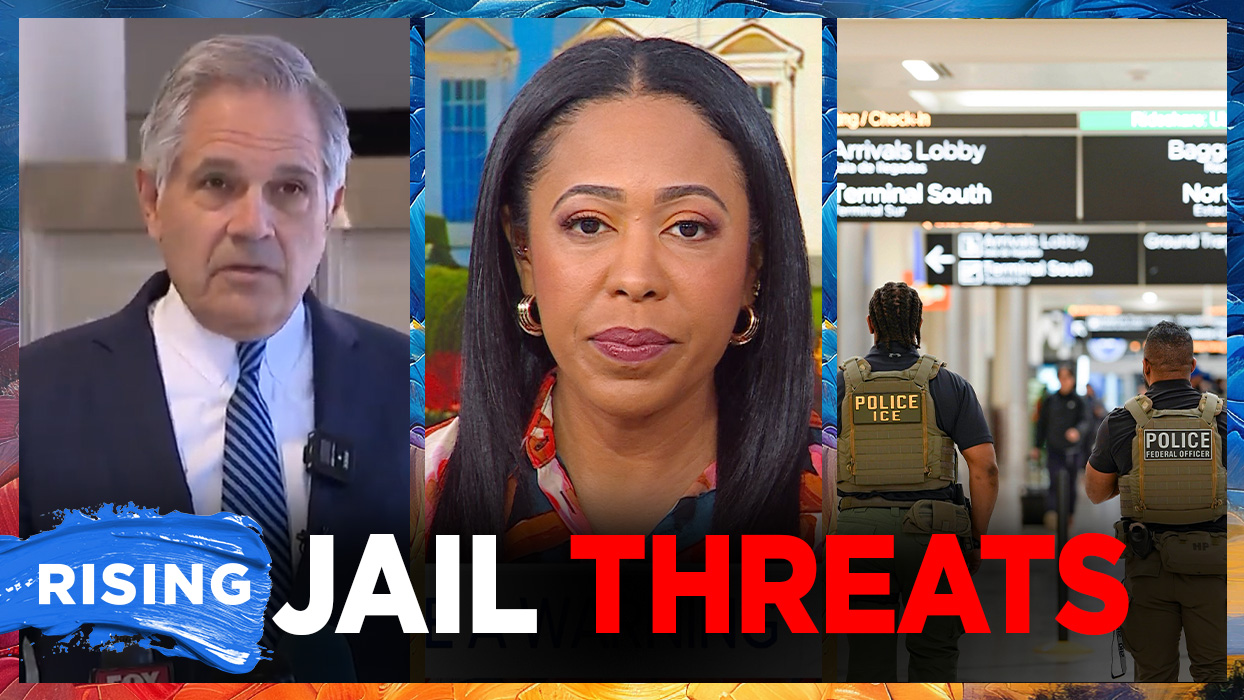
Philadelphia District Attorney Larry Krasner has issued a stern warning to ICE agents stationed at airports. His message is clear: follow the law in Philadelphia or face prosecution. Krasner emphasized that he would not take calls from the president to release agents and that he would put them behind bars if necessary. This statement comes amid the deployment of ICE agents at airports across the country, a move that has created tensions between federal and local authorities.
Krasner has been emphatic in his stance, reminding federal agents that they are subject to local law. District attorneys have the discretion to prosecute federal agents accused of crimes within their jurisdictions. The current situation highlights the tension between local control and federal power, especially regarding the enforcement of immigration laws. Krasner's warning underscores the importance of law enforcement and the accountability of all agents, regardless of their affiliation.
The deployment of ICE agents to airports is a response to TSA staffing shortages, as hundreds of TSA agents have resigned and thousands more have called out sick. These ICE agents are being assigned to tasks like crowd control but are not trained for airport security. The funding for ICE agents comes from the One Big Beautiful Bill Act, while the rest of the Department of Homeland Security remains caught in a political standoff.
The current situation highlights the growing tension between federal and local authorities. District Attorney Krasner is drawing a line and reminding federal agents that they are subject to local laws. The refusal to negotiate and the unwillingness to separate critical services are prolonging a problem that did not have to reach this point.
The Trump administration shows no signs of compromise, which could lead to the deployment of the National Guard at airports. The president has expressed his dissatisfaction with any deal on the table and has considered the possibility of calling in the National Guard for more help. This situation goes beyond security or immigration policy issues, highlighting how far federal and local governments are willing to go to assert control.
In the midst of this situation, ordinary citizens are caught in the dysfunction. Congress has yet to fulfill its basic task: funding the government. The refusal to negotiate and the unwillingness to separate critical services are prolonging a problem that did not have to reach this point.
The lack of political agreement between Democrats and Republicans on government funding and ICE reforms is prolonging the problem and affecting the public. Democrats are demanding reforms in the operation of ICE, including judicial warrants, body cameras, and a ban on covering faces. Republicans are holding the line, refusing to separate ICE funding from the overall DHS budget.
The prolongation of this situation comes at a cost to the public. The tension between local control and federal power, combined with the lack of political agreement, is creating an environment of uncertainty and concern. The situation at the airports is a reflection of political dysfunction and the lack of commitment to solving problems.
Lindsey Granger, a NewsNation contributor and co-host of The Hill's commentary show, “Rising”, analyzes the situation. Granger highlights the collision between federal authority and local enforcement, and how ordinary citizens are affected by this dysfunction. Granger's column emphasizes the importance of political resolution and the need for Congress to fulfill its duty to fund the government and solve the problems that affect the public.
The situation at the airports is an example of how political disputes can have direct consequences on people's lives. The lack of compromise and the refusal to negotiate are creating an environment of uncertainty and concern, and the public is paying the price.