#Keir Starmer#Russia#Shadow Fleet#Sanctions#War in Ukraine#British Politics
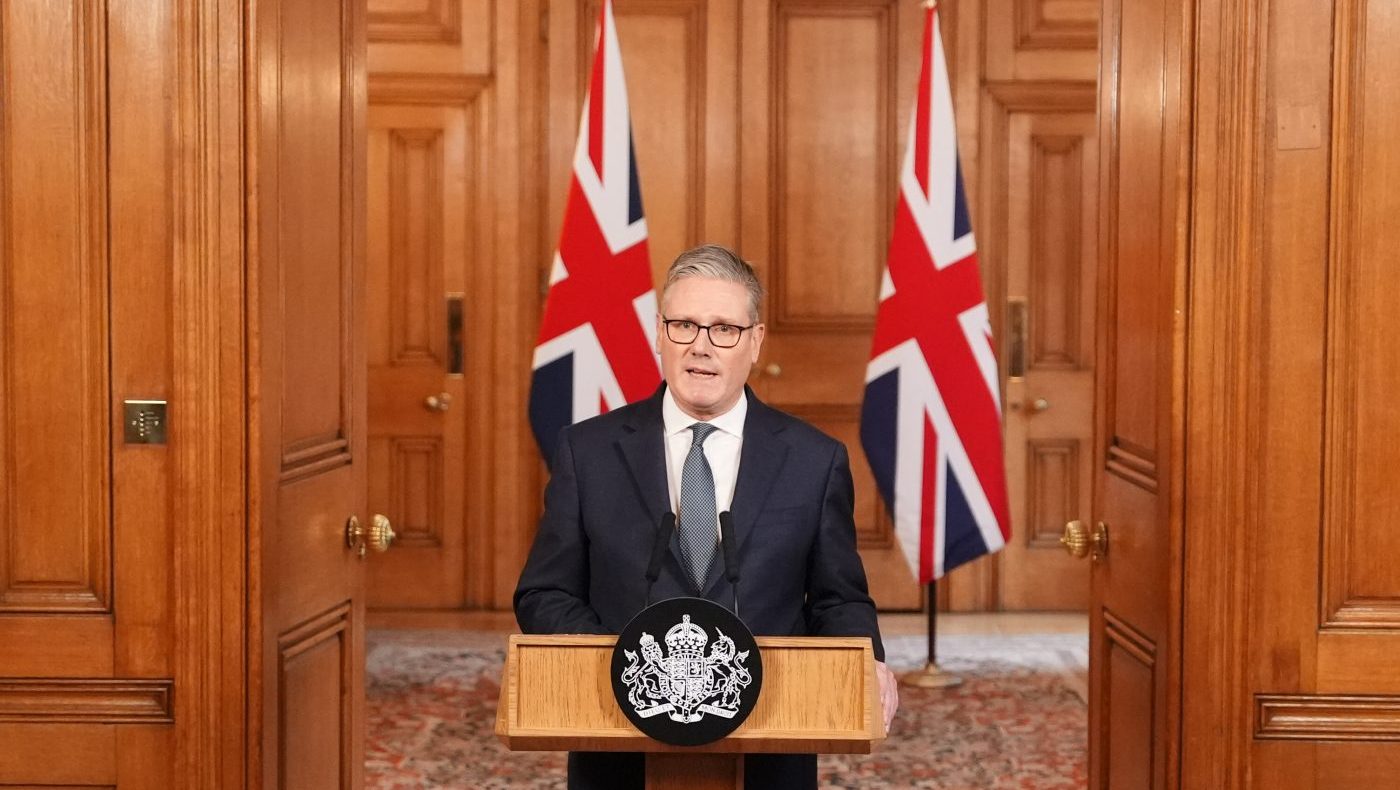
The announcement, made via a press release from Starmer's office, marks a significant increase in the UK's pressure on Russia. The decision allows British armed forces and law enforcement officers to intercept sanctioned vessels crossing UK territorial waters. This measure follows an increase in Royal Navy support for allies by monitoring such ships. The Prime Minister has emphasized that this action aims to cut off the funds fueling Putin's war machine in Ukraine.
According to the release, each target ship will be individually assessed by law enforcement, military, and energy market specialists before a recommendation is made to ministers and the operation is executed. Following the detention of a ship, criminal proceedings may be brought against the owners, operators, and crew for breaches of UK sanctions legislation.
These tankers, with confusing names and registrations, have been instrumental in allowing Russia to finance the war in Ukraine. The Atlantic Council points out that this fleet has allowed Russia to obtain resources to continue the war. Starmer has stated that Putin benefits from the increase in oil prices caused by conflicts in other regions, such as the Middle East. The British government is, therefore, seeking to cut off the illicit profits that finance the Russian military campaign.
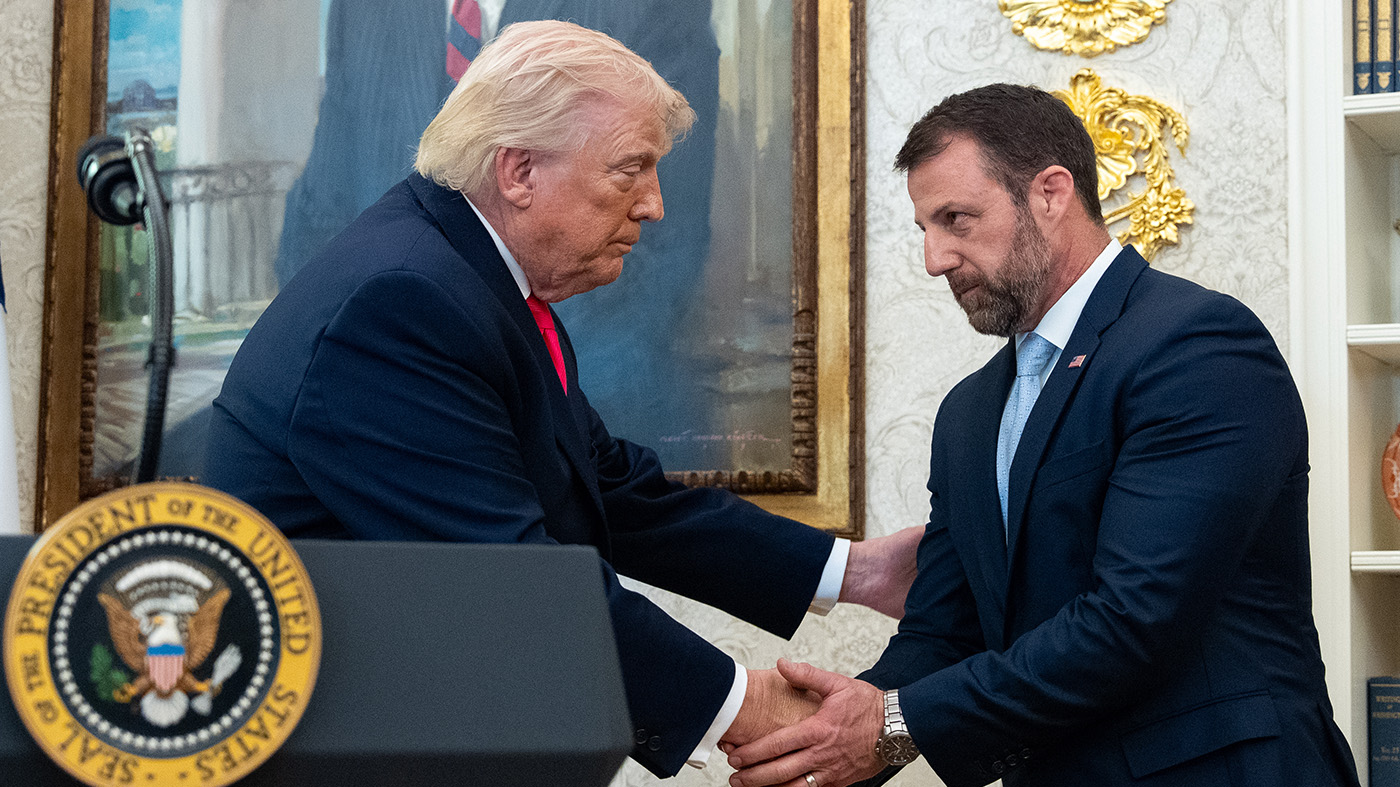
The Trump administration, as an example, has also taken action against these vessels, even seizing the Bella 1 in international waters earlier this year, even after it displayed the Russian flag.
The official statement underlines the concern for the Arctic and northern maritime routes, which can directly affect critical infrastructure. It is estimated that 75% of Russian crude oil is transported through this 'shadow fleet,' underlining the importance of this measure. The British armed forces and law enforcement officers are prepared to increase patrols in response to this threat.
Starmer's decision reflects a firm stance by the UK on the situation in Ukraine and an attempt to undermine Russia's ability to finance its military operation. The measure aligns with international efforts to enforce sanctions and economically isolate Russia.
Starmer's authorization to board Russian vessels is a significant step in the UK's strategy to counter Russian aggression in Ukraine. By allowing the interdiction of the 'shadow fleet' vessels, the UK seeks to disrupt Russia's sources of income and hinder its ability to finance the war. This action adds to existing sanctions and diplomatic efforts to isolate Russia.
The measure also sends a clear signal to Russia and other countries that the UK is committed to enforcing sanctions and defending the interests of its allies.
The increased surveillance and tracking of 'shadow fleet' vessels by the Royal Navy is a key component of the UK's strategy. This surveillance allows for the identification and monitoring of vessels attempting to evade sanctions and transport Russian oil. The information collected through this monitoring is crucial for decision-making and for the execution of interdiction operations.
Collaboration with allies and the sharing of information are fundamental aspects of this strategy, as they allow for a coordinated and effective response against sanctions evasion.