Dead End? Conservatives Reject Senate Plan for SAVE America Act, What's Next?
Listen
Share
Conservatives in both chambers of the U.S. Congress are opposing the strategy of advancing the SAVE America Act through budget reconciliation, anticipating failure.
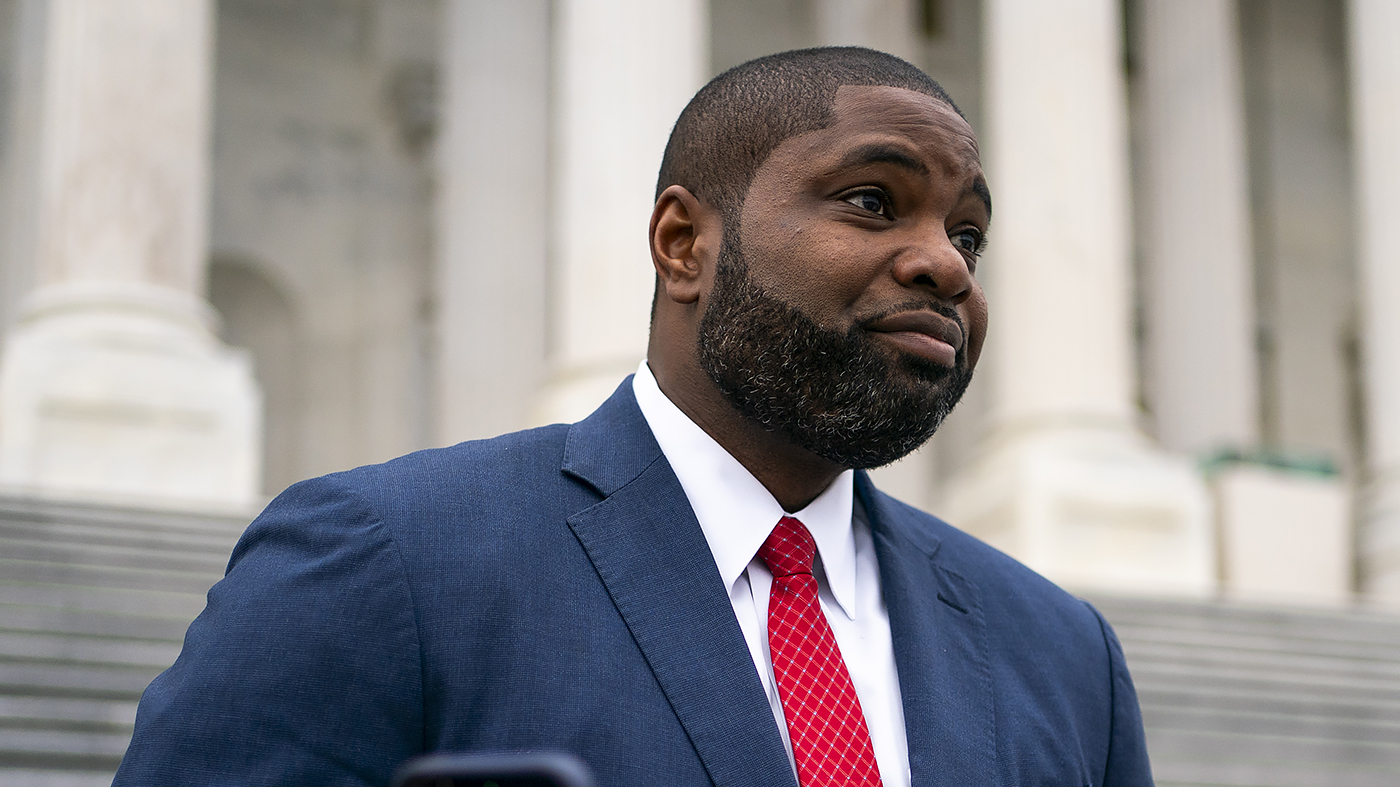
Senate Republicans are searching for an off-ramp for the SAVE America Act amid pressure from Trump, but the strategy of using budget reconciliation, the same process used for Trump's bill, faces strong pushback. Reconciliation would allow Republicans to circumvent a Democratic filibuster in the Senate, but it has strict rules about what can be included. Rep. Byron Donalds criticized the attempt, questioning how the bill could be advanced through reconciliation. Rep. Keith Self was even more direct, predicting that the Senate parliamentarian would 'kill' any provision of the SAVE America Act in a matter of seconds.
Rep. Anna Paulina Luna accused the Senate of 'lying to the American people,' emphasizing that the SAVE America Act cannot pass through budget reconciliation. Senators Mike Lee and Rick Scott also expressed skepticism about the proposal. Trump, for his part, did not commit to backing the initiative, suggesting he would not be happy with any deal.
Budget reconciliation, which would allow Republicans to avoid a Democratic filibuster, is considered unlikely due to strict rules and the need to go through the so-called 'Byrd Bath'. This process allows the Senate parliamentarian to remove extraneous provisions. Rep. Luna accused the Senate of deceiving the American people about the feasibility of reconciliation. Senators Mike Lee and Rick Scott have also cooled expectations on this path.
Senator Lindsey Graham, however, announced that the Senate committee will move 'expeditiously' towards creating a second reconciliation bill, but did not provide details on how the electoral reforms would be included. Rep. Ralph Norman questioned Graham's plan, noting the need for a clear plan before presenting any proposal.
John Thune, the Senate Majority Leader, is facing intense pressure to advance the SAVE America Act. Trump has called the law his top legislative priority and threatened not to make a deal with Democrats to reopen the Department of Homeland Security if the Upper Chamber does not pass the voting bill. Many House Republicans have indicated that they will oppose any bill passed by the Senate until the SAVE America Act is passed.
Conservatives have suggested that Thune use a talking filibuster to advance the bill, but Thune has opted for an extended debate, which has led to tensions. Rep. Donalds urged Thune to make a decision on whether to defend the Senate's procedures or the will of 85% of Americans who want to ensure that voters are registered and voter ID is used.
The options for the SAVE America Act seem limited and time is running out, as the Senate is scheduled to go into recess on March 30. Rep. Steve Scalise, House Majority Leader, expressed caution about including the law in budget reconciliation, but stated that all necessary means will be sought to bring the bill to the president's signature. The pressure for Thune to cancel the recess and continue the debate on the SAVE America Act persists. Rep. Self emphasized the need for the law, suggesting that anything else would be 'less than'.
The situation demonstrates the deep political division and the difficulty of passing significant electoral legislation in the U.S. Congress.