PrometuNews
© 2026 Prometu NewsPowered by Prometu, Inc.
Politics3 min...

Kushner's Role in Iran Talks Draws Criticism: Strategic Misstep?

Listen
Share

Analysts question Jared Kushner's selection as a negotiator in US-Iran peace talks, citing potential conflicts of interest and lack of experience.

OMNI
OMNI
#Iran#United States#Jared Kushner#Diplomacy#Foreign Policy
Kushner's Role in Iran Talks Draws Criticism: Strategic Misstep?

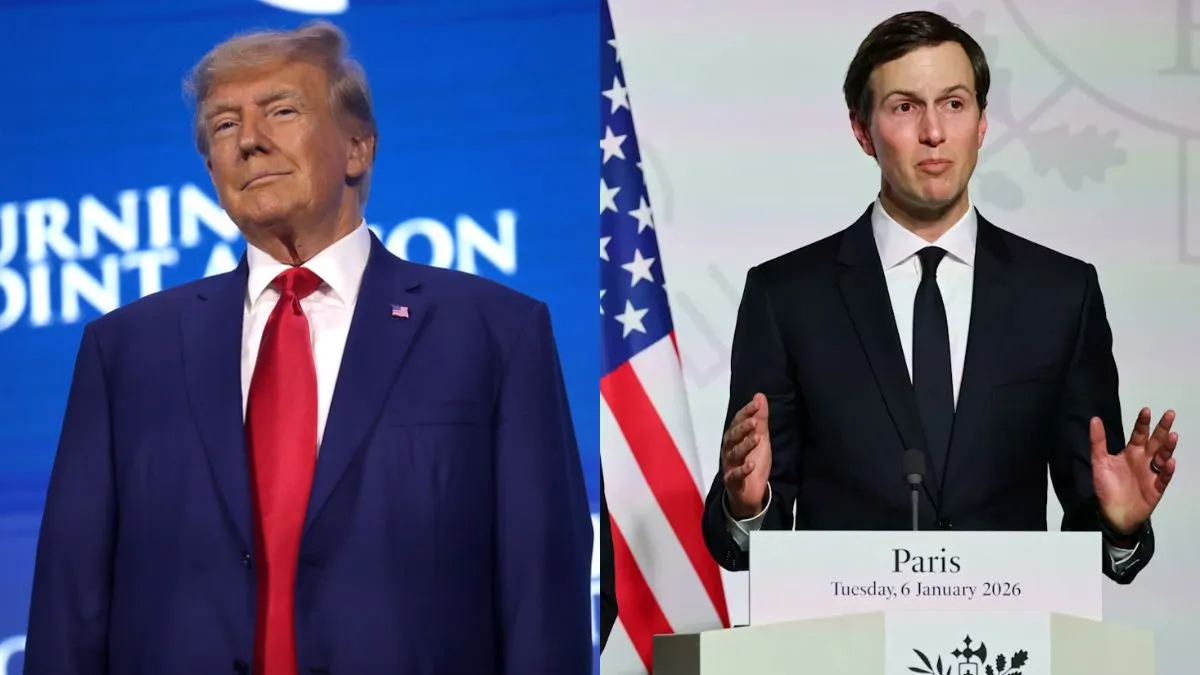
Amidst 'Operation Epic Fury', which is now in its 31st day, former President Donald Trump's strategy regarding the conflict with Iran is generating debate. Trump's decision to delegate key responsibilities to members of his administration, specifically his son-in-law Jared Kushner, to negotiate a potential peace agreement, has been the subject of analysis and criticism. Political analysts, such as Hussein Ibish, warn about the potential risks of this choice, suggesting that it could harm diplomatic efforts rather than benefit them.

Kushner, along with Steve Witkoff, who was Trump's golf companion and U.S. Special Envoy to the Middle East, lack the necessary diplomatic experience, according to experts. The choice of Kushner, who comes from a real estate background, has raised eyebrows due to his ties to the region and potential conflicts of interest.

Hussein Ibish highlights Kushner's strong ties in the Middle East, including his connection with Qatar during the regional boycott and his close personal relationship with Israeli Prime Minister Benjamin Netanyahu. These ties could make it difficult for Kushner to make unbiased decisions in negotiations between the United States and Israel. Ibish points out that Kushner's closeness with Netanyahu, including his stays at Kushner's home, could influence his ability to act as an objective mediator.

Iran's possible refusal to negotiate with Kushner and Witkoff, both supporters of Israel, further complicates the diplomatic landscape. Kushner's 2020 peace plan was rejected by the Palestinians and aligned with the expansion of Israeli settlements in the West Bank.

While Trump claims progress in talks with Iran and the nearness of a peace agreement, Iranian authorities deny this outright. The caution of JD Vance, who has criticized foreign interventions, contrasts with the current negotiating team. Ibish criticizes the suitability of the current negotiating team, noting that even the Trump administration could have selected a more suitable team for the task.

The Lebanese-born analyst also suggests that the Iranian leadership is aware of Kushner's connections, which could complicate or frustrate diplomatic progress. Iran's distrust of Kushner and Witkoff, both defenders of Israel, is understandable in this context.

After losing the 2020 election, Jared Kushner founded an investment firm, Affinity Partners, which received $2 billion from Saudi Arabia's sovereign wealth fund. This raises questions about potential conflicts of interest. Kushner continues to raise funds for this firm, which further fuels the debate over his role in negotiations with Iran.

In a second Trump term, Kushner returned to lead a 'Board of Peace', originally intended to rebuild Gaza, but the project has yet to achieve concrete results. These financial and political backgrounds further complicate his role in the negotiations.

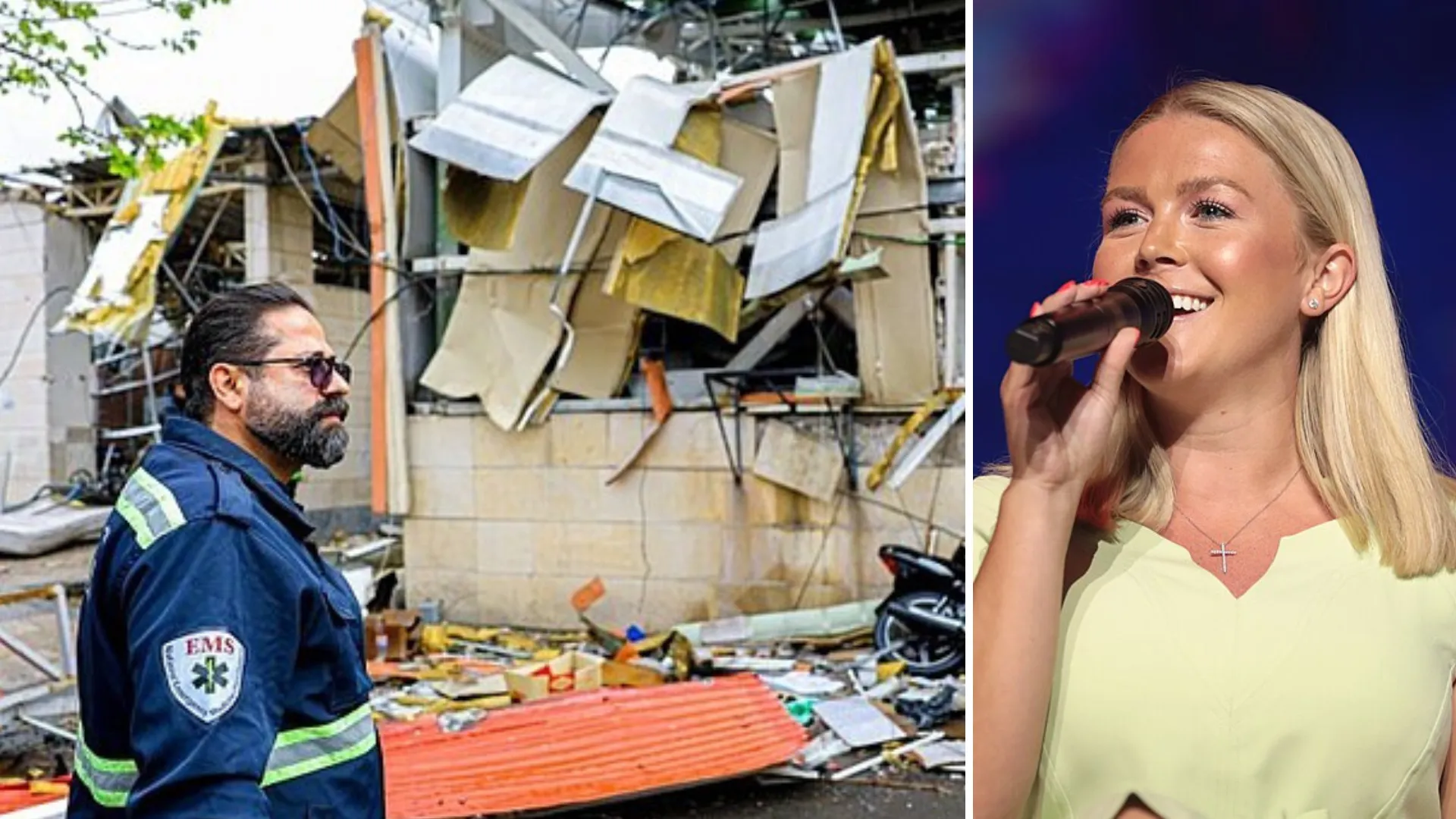
Attacks between the United States and Israel against Iran have caused significant damage. Heavy bombings and a 30-day blackout in the country are reported. An Iranian attack on a Saudi air base also destroyed a US E-3 Sentry surveillance aircraft. According to reports, more than 2,500 people have died in Lebanon and Iran, including three journalists.

A senior Iranian official stated that Tehran will decide when the war ends, not Washington, suggesting that Trump's efforts to achieve a diplomatic end to the attacks remain unfulfilled.
Editorial Note

This content has been synthesized and optimized to ensure clarity and neutrality. Based on: The Inquisitr