US Crisis: Senate Approves TSA Funding, But House Faces Challenges
Listen
Share
The U.S. Senate approves crucial funding for the TSA and other key security agencies, while the House of Representatives faces pressure to avoid a partial government shutdown.
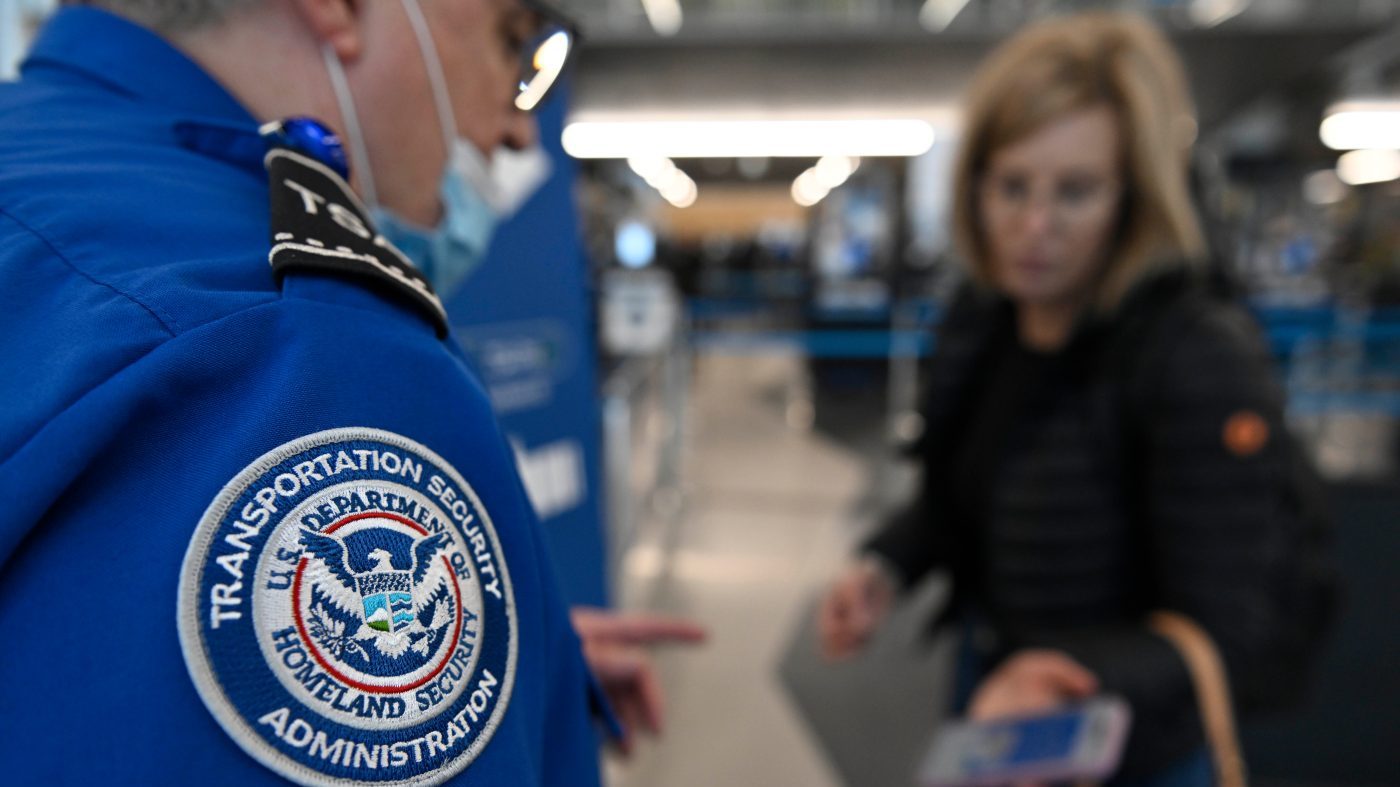
The U.S. Senate approved a measure to fund the TSA and most of the Department of Homeland Security (DHS) following an early morning vote. The measure, passed by unanimous consent, excludes funding for U.S. Immigration and Customs Enforcement (ICE) and Border Patrol. This proposal also includes funds for the U.S. Coast Guard, the Federal Emergency Management Agency, and the Cybersecurity and Infrastructure Security Agency.
Attention now shifts to the House of Representatives, which must pass the bill before its Easter recess. Senators, after approving the legislation, plan to return in mid-April. The surprise Senate vote came hours after members failed to reach a deal to fund the entirety of DHS, amid increasing pressure due to delays at airports and the shortage of TSA personnel.
The Senate rejected a House bill to fund DHS, highlighting political divisions. Senate Majority Leader John Thune kept the vote open for hours to allow negotiations between Republicans and Democrats. The goal was to reach an agreement on funding ICE's emergency operations, separating it from the rest of the DHS funds.
However, a resolution was not achieved, and instead, it was agreed to fund all agencies except those responsible for immigration enforcement. Thune explained that although Republicans initially hoped for an agreement that would fund all of DHS, they changed their strategy due to the lack of agreement with Democrats on proposed reforms for ICE.
The key question is whether the House of Representatives will be able to pass the bill and if President Trump will sign it. Trump had indicated that he would take measures to alleviate the TSA's problems, including ordering Homeland Security Secretary Markwayne Mullin to pay TSA agents to address the "emergency situation".
According to a senior administration official, funds to pay TSA staff could come from Trump's One Big Beautiful Bill Act. Airports across the country urgently need reinforcements, as TSA agents have been without pay for over a month. Senator Thune expressed his hope that Trump would sign the bill, understanding the situation of both parties. If DHS is not fully funded, the current partial shutdown will break a new record as the longest in U.S. history.
The Department of Education plans to move to a smaller building, saving $350 million in maintenance costs. The Treasury Department will add Trump's signature to the currency to commemorate the country's 250th anniversary, marking the first time a sitting president's signature appears on currency.
A federal judge blocked the designation of the AI company Anthropic as a supply chain risk by the Pentagon. Trump extended the pause on US forces' attacks on Iranian energy infrastructure for another 10 days. Former Venezuelan President Nicolás Maduro and his wife Cilia Flores appeared in court for the first time since their indictment in January.
The IOC has decided that eligibility to participate in women's sports will be based on screening for the "absence or presence of the SRY gene", located on the Y chromosome. Testing will take place through saliva, a cheek swab, or a blood test.
IOC President Kirsty Coventry stated, "As a former athlete, I passionately believe in the rights of all Olympians to take part in fair competition." This decision is based on findings from a working group that found that those born biologically male have physical advantages.