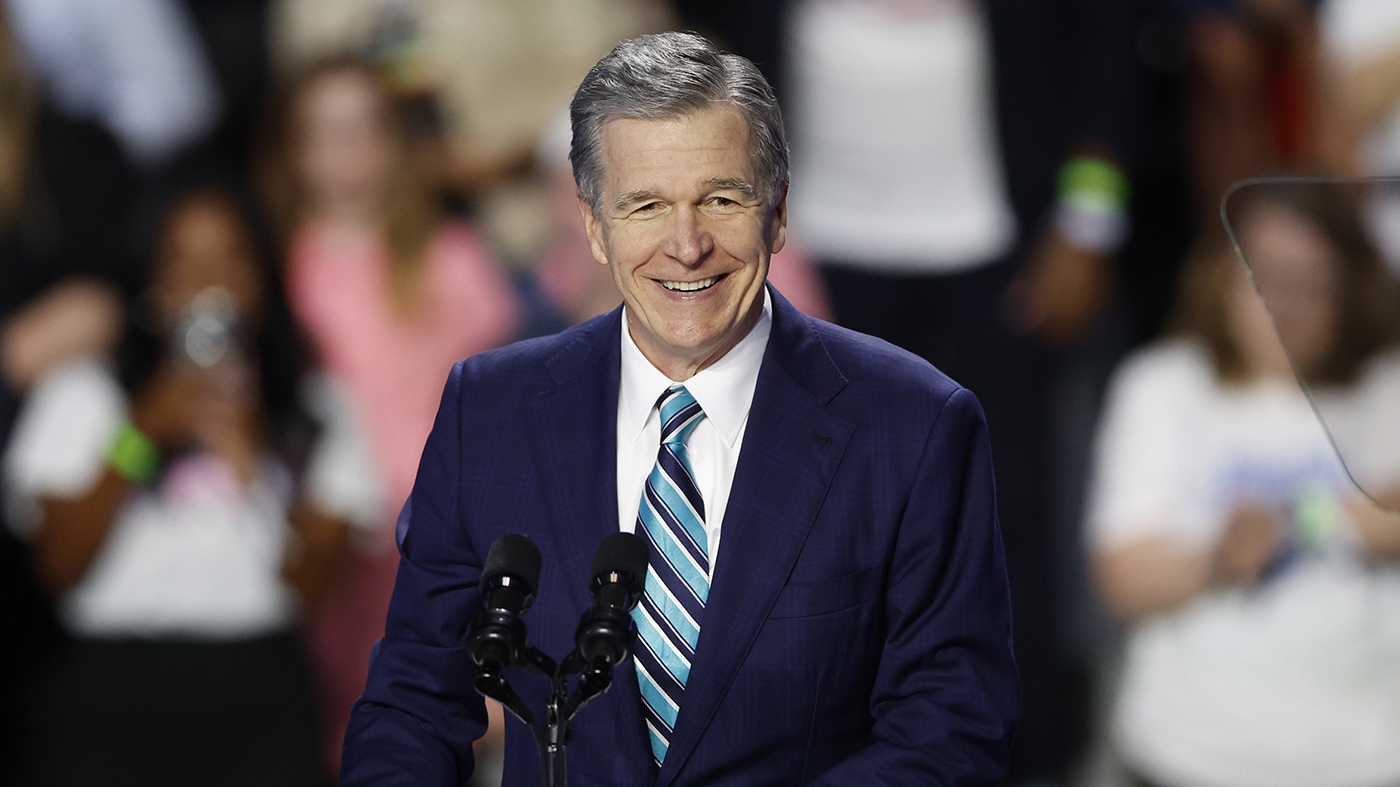
Former North Carolina Governor Roy Cooper (D) is leading former Republican National Committee (RNC) Chair Michael Whatley by nearly 8 points in the race to succeed retiring Sen. Thom Tillis (R-N.C.), according to a new poll. The poll, conducted by Harper Polling for Carolina Journal, showed Cooper receiving about 49% support, while Whatley received 41%. A further 10% of respondents preferred someone else or were unsure. This suggests a highly contested race in the state.
A similar survey conducted in November showed Cooper holding a similar lead, with 47% support compared to Whatley's 39%. In that survey, 14% of respondents preferred someone else or were unsure. These figures suggest a slight fluctuation in support, but Cooper's lead has remained consistent. The Senate race in North Carolina is crucial and could determine the balance of power in the United States Senate.
North Carolina is viewed as a key state where Democrats could gain a Senate seat, although they haven't elected a Democratic senator since 2008, when Kay Hagan won her election. This period also marked the last time Democrats won North Carolina at the presidential level. The importance of this state lies in its potential to shift the balance of power in the Senate. Cooper's victory could be fundamental to Democratic aspirations at the national level, and the poll results suggest that the race will be close.
Donald Bryson, CEO of the John Locke Foundation and publisher of Carolina Journal, commented that midterm elections are often a referendum on the party in the White House, and this poll reflects that dynamic in North Carolina. With a growing number of voters who believe the country is on the wrong track, the political environment favors the opposing party. This situation could significantly affect the outcome of the elections, influencing the political future of the state and the country.
A polling average of North Carolina Senate surveys, compiled by Decision Desk HQ, shows Cooper holding an 8-point edge over Whatley, with 48% support compared to Whatley's 40%. This average consolidates Cooper's lead, although the race remains competitive. The consistency of these results suggests a clear trend in voter support, but political volatility calls for caution.
The Carolina Journal poll surveyed 600 likely voters between March 22 and 23. The margin of error is 4 points. This margin of error indicates that the results could vary slightly, but Cooper's lead remains within a significant range. The accuracy of the poll provides a clearer view of the political landscape in North Carolina, but the final results will depend on voter participation and decisions.