PrometuNews
© 2026 Prometu NewsPowered by Prometu, Inc.
Politics4 min...

Senior Candidate Quits Reform, Citing 'Too Many Tories' in the Party

Listen
Share

Patrick Benham-Crosswell, a former Reform candidate, resigns due to the increasing influence of ex-Conservatives within the party, criticizing the leadership and selection process.

OMNI
OMNI
#Reform#Politics#Conservatives#Elections
Senior Candidate Quits Reform, Citing 'Too Many Tories' in the Party

Patrick Benham-Crosswell, who represented Reform at the 2024 general election, has decided to leave the party. According to his statements, the leadership has betrayed the vision of the founding members. This decision comes after a candidate selection process that, according to Benham-Crosswell, disregards volunteers. In the previous election, Benham-Crosswell came second in Swansea with 17.5% of the vote.

His departure comes at a critical time, prior to the Senedd elections in May, where he feels relegated on the candidate list, surpassed by what he considers 'three novices' and a former Conservative Party member. This situation has generated deep discomfort in the former candidate, who denounces the increasing presence of ex-Conservatives in the party.

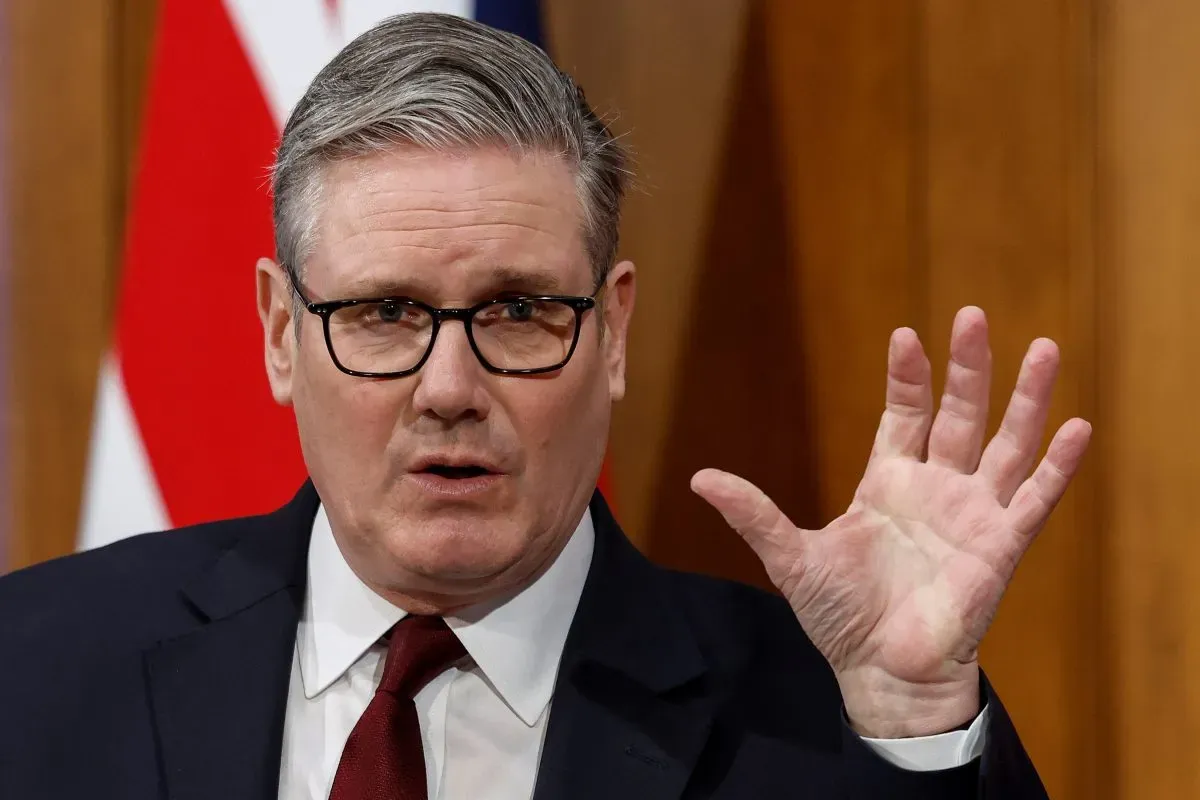
The former candidate has expressed his concern about the increasing influence of former Conservative Party members within Reform. According to Benham-Crosswell, this situation will harm Reform's vote. He also accused the right-wing party of 'sinking into the sewer', questioning the honesty and integrity of its leaders. In his statements, Benham-Crosswell stated that Reform is no longer open or honest, and that the party has abandoned him. Furthermore, he criticized the candidate selection process, pointing out that it does not reflect the performance of people in the process.

Benham-Crosswell lamented that Reform has moved away from its founding principles. He stated that politics is a dirty game, but that Reform has gone too far, betraying the vision of its early members. The former candidate also criticized the appointment of candidates in Wales, stating that it does not reflect performance in the selection process. According to him, many of the candidates at the top of the list are not the best, and there are too many ex-Conservatives, which will harm the party's vote.

Benham-Crosswell's message reflects a deep disappointment with Reform's current direction and its increasing similarity to the Conservative Party, something that, according to him, goes against the party's original ideals.

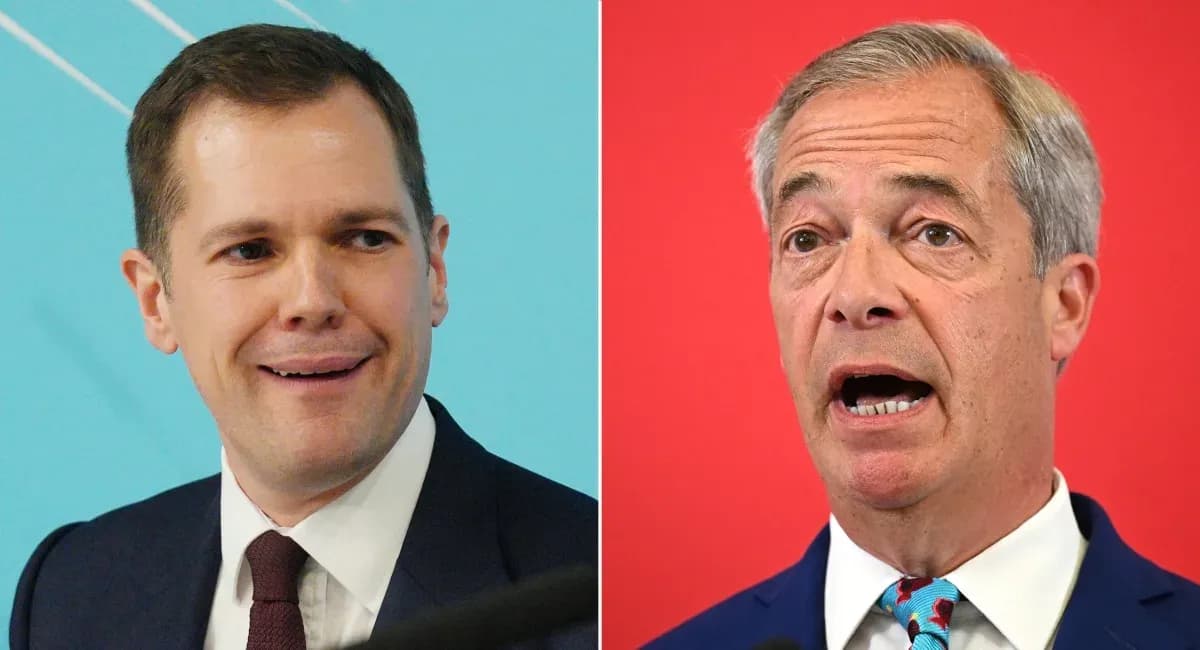
Among the high-profile figures who have left the Conservative Party to join Reform are Lee Anderson, Suella Braverman, Robert Jenrick, Nadhim Zahawi, Andrew Rosindell, Jonathan Gullis, and Danny Kruger. This wave of defections occurred in the last 12 months, coinciding with a slump in the polls for Reform. Although the party remains at the top of most opinion polls, the widespread adoption of 'fallen Tories' remains a contentious issue.

This situation risks alienating both voters and candidates, which could have significant consequences for Reform's future.

Benham-Crosswell's departure and the criticism of the party's leadership highlight the internal tensions and challenges facing Reform. The increasing presence of ex-Conservatives, along with accusations of a lack of transparency and a betrayal of the original ideals, raise questions about the party's identity and future. Reform's ability to maintain its voter base and attract new support will depend, to a large extent, on how it manages these tensions and addresses the concerns raised by figures like Benham-Crosswell.

The party is at a crossroads, having to decide whether to remain true to its founding principles or adapt to a wider electorate, at the risk of losing its identity.
Editorial Note

This content has been synthesized and optimized to ensure clarity and neutrality. Based on: The London Economic